
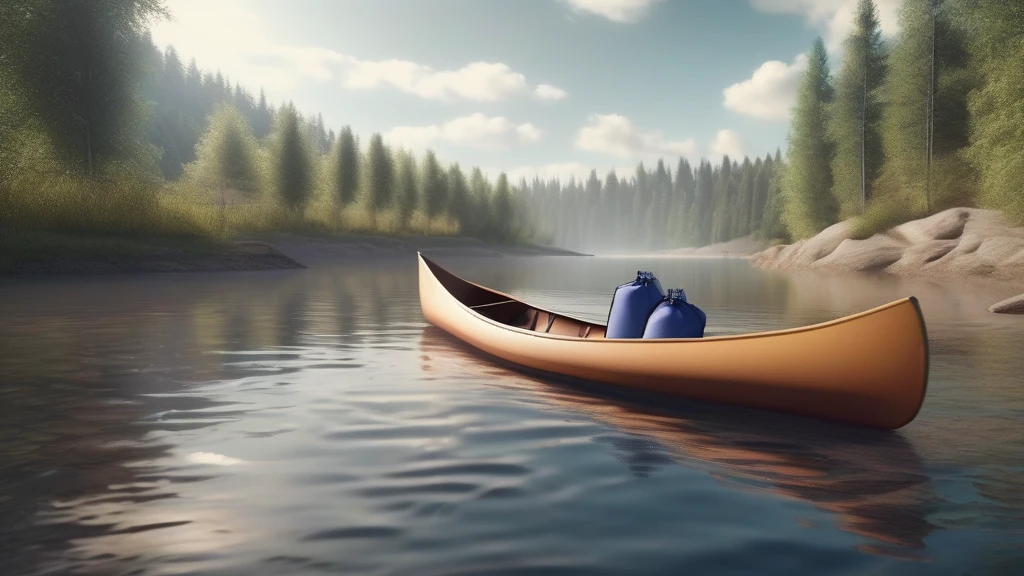
When it comes to enjoying boating and water sports, protecting your gear from water damage is essential. Canoe storage bags—commonly known as drybags—play a vital role in safeguarding your belongings while on the water. However, not all drybags are created equal, especially when it comes to the materials used in their construction. Among the most popular fabric choices are nylon, polyester, and polypropylene. Each offers unique advantages and considerations that affect durability, waterproofing, UV resistance, and overall performance.
This article explores these three materials in depth, providing valuable insights to help you make an informed decision when selecting the best canoe storage bag for your water adventures.
Understanding the Role of Canoe Storage Bags
Before diving into material specifics, it’s important to recognize what canoe storage bags are designed to do. These bags must:
- Keep gear dry and protected: Exposure to splashes, rain, and occasional submersion is common.
- Resist abrasion and tearing: Rough handling, sharp edges on boats, and environmental wear demand robust materials.
- Withstand UV exposure: Prolonged sunlight can degrade fabrics, reducing longevity.
- Be lightweight and portable: Easy carrying and compact storage are priorities.
- Include safety and convenience features: Floating ropes, quick-release mechanisms, and ergonomic grips enhance usability.
Material choice directly impacts these functions, balancing protection, durability, and ease of use.
Nylon: Lightweight Strength with Versatility
Key Characteristics
Nylon is a synthetic polymer renowned for its high tensile strength and elasticity. It’s a popular choice in outdoor gear due to its ability to withstand rough treatment without tearing easily.
- Durability: Nylon’s abrasion resistance helps drybags endure contact with rocks, canoe edges, and other rough surfaces.
- Water resistance: While nylon itself is water-resistant, it is often coated with waterproof layers like polyurethane or silicone to achieve full waterproofing.
- Weight: Nylon fabrics are generally lightweight, making them ideal for paddlers mindful of pack weight.
- UV resistance: Standard nylon can degrade under UV exposure, but UV-resistant coatings improve longevity.
Advantages for Canoe Storage Bags
- Excellent strength-to-weight ratio enhances portability without sacrificing protection.
- Flexible and easy to fold, aiding compact storage.
- Coatings enable effective waterproofing and quick drying.
Considerations
- Requires additional coatings for reliable waterproof performance.
- Without UV protection, nylon may wear faster in sunny environments.
- Can absorb some water if coatings are damaged, leading to increased weight.
Polyester: Durable and UV-Resistant Performer
Key Characteristics
Polyester is another synthetic fabric frequently used in marine and outdoor gear. It offers a balance between durability and resistance to environmental factors.
- Abrasion resistance: Slightly less elastic than nylon but still durable against surface wear.
- Water resistance: Like nylon, polyester is usually treated with waterproof coatings to prevent water ingress.
- UV resistance: Polyester inherently resists UV degradation better than nylon, maintaining strength and color over time.
- Dimensional stability: Polyester resists stretching and shrinking, keeping the bag’s shape intact.
Advantages for Canoe Storage Bags
- Superior UV resistance extends the lifespan in sunny, marine environments.
- Sturdy fabric that holds up well to repeated use and exposure.
- Maintains water resistance with appropriate coatings.
- Often more affordable than specialty nylon fabrics.
Considerations
- Slightly heavier than nylon, which could be a factor for weight-conscious paddlers.
- Less stretchy, which may affect packability and flexibility.
Polypropylene: Cost-Effective and Marine-Grade Material
Key Characteristics
Polypropylene is a thermoplastic polymer commonly used in marine applications for its inherent water resistance and chemical stability.
- Waterproof by nature: Unlike nylon and polyester, polypropylene does not absorb water and can be used without additional coatings.
- Abrasion resistance: While durable, polypropylene is generally less abrasion-resistant than nylon or polyester.
- UV resistance: Polypropylene can degrade under prolonged UV exposure but can be enhanced with additives.
- Lightweight: Extremely light, adding minimal burden when carrying gear.
Advantages for Canoe Storage Bags
- Excellent inherent waterproofing simplifies manufacturing and maintenance.
- Often used in marine-grade, recyclable drybags, appealing to eco-conscious users.
- Resistant to many chemicals and mildew.
- Typically more affordable and widely available.
Considerations
- Less durable against abrasion and tearing; may not withstand rough handling as well as nylon or polyester.
- UV resistance varies and may require treatment for extended outdoor exposure.
- Can be less flexible and less comfortable to handle.
Comparing Performance: Which Material Suits Your Needs?
| Feature | Nylon | Polyester | Polypropylene |
|---|---|---|---|
| Abrasion Resistance | High | Moderate to High | Moderate |
| Waterproofing | Requires coating | Requires coating | Naturally waterproof |
| UV Resistance | Moderate (needs treatment) | High | Moderate (needs treatment) |
| Weight | Lightweight | Moderate | Very lightweight |
| Durability | High | High | Moderate |
| Environmental Impact | Varies; recyclable options exist | Varies; recyclable options exist | Often recyclable; eco-friendly options available |
| Cost | Generally higher | Moderate | Generally lower |
Sustainability Considerations in Material Choice
Many manufacturers now focus on sustainable production, using recyclable materials and minimizing waste. Polypropylene stands out for its recyclability and the existence of marine-grade polypropylene fabrics made with eco-friendly processes. Nylon and polyester can also be produced with recycled content, though coatings and treatments may affect recyclability.
Choosing a canoe storage bag made with environmentally responsible materials aligns with efforts to reduce plastic waste and carbon footprint in marine recreation.
Additional Features to Look For in Canoe Storage Bags
Material is crucial, but overall bag design and features also impact usability and safety:
- Floating ropes and buoyant handles: Aid in retrieval if the bag falls overboard.
- Quick-release buckles: Enable fast access to gear in emergencies.
- Reinforced loops and ergonomic grips: Enhance comfort and durability.
- Compact foldability: Important for storage and transport.
- Certified strength ratings: Tow ropes and tensile strength between 1,000 and 2,500 lbs ensure reliability.
- Safety certifications: ISO, CE, TÜV, and marine safety ratings provide assurance of quality.
Maintenance Tips to Maximize Drybag Lifespan
Regardless of material, proper care extends the usefulness of canoe storage bags:
- Rinse with fresh water after exposure to saltwater to prevent corrosion and fabric degradation.
- Air dry completely before storage to avoid mildew.
- Inspect coatings and seams regularly for cracks or wear.
- Store away from direct sunlight when not in use to minimize UV damage.
- Avoid sharp objects inside the bag that may puncture the fabric.
- Use repair kits designed for waterproof fabrics to patch small holes.
Conclusion
Selecting the right material for a canoe storage bag depends on your specific boating activities, environmental conditions, and priorities such as weight, durability, and sustainability.
- Nylon offers a lightweight and strong option, ideal for those who prioritize packability and abrasion resistance, provided it has a reliable waterproof coating.
- Polyester delivers excellent UV resistance and durability, making it well suited for sunny, marine environments where long-term exposure is expected.
- Polypropylene provides inherent waterproofing and eco-friendly potential, fitting for casual boaters or those seeking cost-effective, marine-grade solutions.
By understanding the strengths and limitations of these materials, you can confidently choose a canoe storage bag that protects your gear, enhances safety, and withstands the rigors of your water-based adventures.