
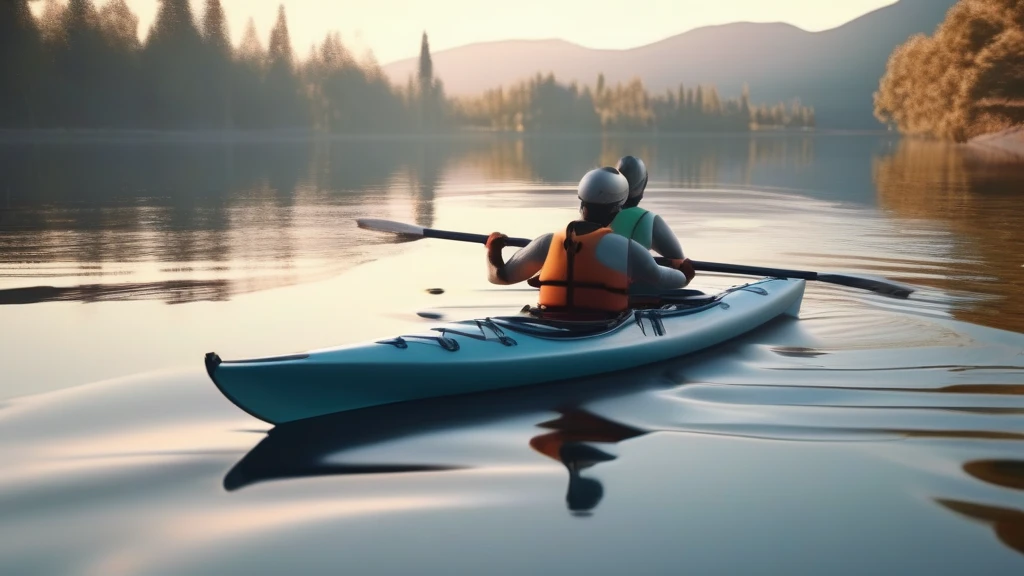
Kayaking is an increasingly popular way for friends, couples, and families to enjoy the great outdoors together. Tandem kayaks—designed for two or more paddlers—offer a unique blend of shared adventure and cooperative paddling. However, not all tandem kayaks are created equal. Understanding the differences between recreational and performance tandem kayaks can help paddlers of all skill levels select the right watercraft for their needs, whether that’s a relaxing paddle on a calm lake or a spirited journey through choppy coastal waters.
In this article, we’ll explore key distinctions between recreational and performance tandem kayaks and provide practical advice to help you find the perfect kayak to match your skill level, intended use, and typical water conditions.
Understanding Tandem Kayaks: The Basics
Tandem kayaks accommodate two or more occupants, making them ideal for shared experiences. These kayaks vary widely in design, materials, and functionality, but most share features such as durable hulls, comfortable seating, and gear storage options. Two main subcategories stand out: recreational and performance tandem kayaks.
- Recreational Tandem Kayaks prioritize stability, ease of use, and comfort.
- Performance Tandem Kayaks are designed for speed, maneuverability, and efficiency in more demanding conditions.
Choosing between these types depends largely on your kayaking goals, experience, and the environments you plan to explore.
Recreational Tandem Kayaks: Stability and Comfort for Easy Paddling
Ideal Users and Use Cases
Recreational tandem kayaks are well-suited for beginners, families, and casual paddlers. They are designed to provide a stable, forgiving platform that makes it easier to learn paddling techniques and enjoy time on the water without worry. These kayaks shine on calm lakes, slow-moving rivers, and gentle coastal bays.
Key Features
- Wide, Stable Hulls: Recreational kayaks typically have wider beams (widths) that increase stability, reducing the likelihood of tipping. This is ideal for users who prioritize comfort and balance over speed.
- Durable Materials: Commonly constructed from high-density polyethylene or rotomolded plastic, these kayaks offer ruggedness and impact resistance, perfect for family outings or beach landings.
- Comfort-Oriented Seating: Adjustable padded seats with backrests and ample legroom contribute to a comfortable paddling experience for longer excursions.
- Storage and Gear Management: Bungee cords, sealed compartments, and dry storage areas help keep gear secure and dry during your trip.
- Easy Maintenance: Recreational models often require minimal upkeep, making them great for infrequent paddlers or those new to kayak care.
Advantages and Considerations
- Pros: Stability, ease of entry and exit, forgiving handling, and spacious seating.
- Cons: Slower speeds and less agility in challenging water conditions.
If you’re planning weekend paddles with family or friends, or want a kayak that supports a relaxed pace, recreational tandem kayaks provide excellent value and user-friendly design.
Performance Tandem Kayaks: Speed, Agility, and Advanced Handling
Ideal Users and Use Cases
Performance tandem kayaks cater to more experienced paddlers who seek speed, maneuverability, and control. These kayaks excel in open water, coastal areas, and moderate whitewater conditions. They are popular among paddlers training for fitness, competitive racing, or long-distance touring.
Key Features
- Narrower, Sleek Hulls: Designed to reduce water resistance, performance kayaks have slimmer profiles that enable faster paddling and improved tracking.
- Advanced Materials: Lightweight construction materials such as fiberglass reinforced polymer or inflatable PVC with rigid frames reduce weight and enhance portability without sacrificing strength.
- Enhanced Maneuverability: Features like skegs or rudders improve directional control, especially in windy or choppy conditions.
- Performance Seating: Seats may be more streamlined, focusing on paddling efficiency and support, with adjustments tailored for aggressive paddling postures.
- Quick Assembly and Portability: Many performance kayaks emphasize rapid assembly (5–15 minutes) with compact storage options like folding designs or inflatables.
Advantages and Considerations
- Pros: Greater speed, better tracking, efficient paddling, and superior handling in various water conditions.
- Cons: Less initial stability, steeper learning curve, and often higher maintenance demands.
For paddlers ready to challenge themselves with longer trips, rougher waters, or competitive outings, performance tandem kayaks provide the responsiveness and speed that elevate the experience.
Material Choices: Balancing Durability, Weight, and Portability
Whether recreational or performance, material selection significantly impacts a kayak’s durability and handling characteristics:
- High-Density Polyethylene (HDPE): Common in recreational kayaks for its toughness and affordability. It resists impacts but tends to be heavier.
- Rotomolded Plastic: Durable and impact-resistant, this material is popular in stable, recreational hulls.
- Fiberglass Reinforced Polymer: Lightweight and stiff, ideal for performance kayaks that benefit from increased speed and maneuverability.
- Inflatable PVC with Marine-Grade Aluminum Frames: Offers portability and quick setup, especially in performance models designed for rapid deployment and storage.
Understanding these materials helps paddlers choose kayaks that align with their priorities for weight, durability, and ease of transport.
Safety, Certification, and Load Capacity
Safety is paramount in any boating activity. Many tandem kayaks meet certifications from recognized bodies such as the US Coast Guard, ISO, TÜV, or CE, ensuring compliance with safety and environmental standards.
Look for kayaks with:
- High Load Capacities: Typically between 400 to 600 lbs for tandem models, allowing for two adults plus gear, and sometimes children or pets.
- Stable Hull Designs: To reduce risks of capsizing.
- Included Safety Accessories: Such as repair kits, reflective elements, and secure gear storage.
Adhering to safety best practices—wearing life jackets, informing others of your route, and checking weather conditions—complements the inherent safety features of your tandem kayak.
Choosing the Right Tandem Kayak for Your Adventures
Assess Your Skill Level
- Beginner or casual paddler: Lean toward recreational kayaks for stability and ease of use.
- Experienced paddler: Consider performance kayaks for speed and maneuverability.
Consider Water Conditions
- Calm lakes and slow rivers: Recreational kayaks excel here.
- Coastal waters, choppy lakes, or mild whitewater: Performance kayaks offer better handling.
Think About Your Crew
- Families with children or pets: Recreational models provide comfort and capacity.
- Two adults focused on fitness or exploration: Performance kayaks are a better fit.
Portability and Storage
If you have limited storage space or need to transport your kayak frequently, inflatable or folding performance kayaks might offer the best balance of portability and performance. Recreational kayaks tend to be heavier and bulkier but more rugged.
Maintenance and Care Tips for Longevity
Regardless of type, proper maintenance extends your kayak’s lifespan:
- Rinse after use: Remove salt, sand, and debris to prevent corrosion or material degradation.
- Store properly: Keep kayaks out of direct sunlight and in dry, ventilated spaces.
- Inspect regularly: Check for cracks, leaks, or damage, especially on inflatable kayaks.
- Follow manufacturer guidelines: Use recommended cleaning agents and repair kits.
Routine care ensures your tandem kayak remains safe and enjoyable for many seasons.
Conclusion
Selecting between recreational and performance tandem kayaks comes down to understanding your paddling goals, experience, and typical water environments. Recreational kayaks offer stability, comfort, and simplicity—making them perfect for families and beginners. Performance kayaks, in contrast, provide speed, agility, and advanced features suited for skilled paddlers tackling more challenging conditions.
By carefully considering hull design, materials, safety certifications, and user needs, you can confidently choose a tandem kayak that enhances your adventures and creates lasting memories on the water. Whether it’s a tranquil paddle with loved ones or a vigorous workout exploring open waters, the right tandem kayak makes all the difference.