
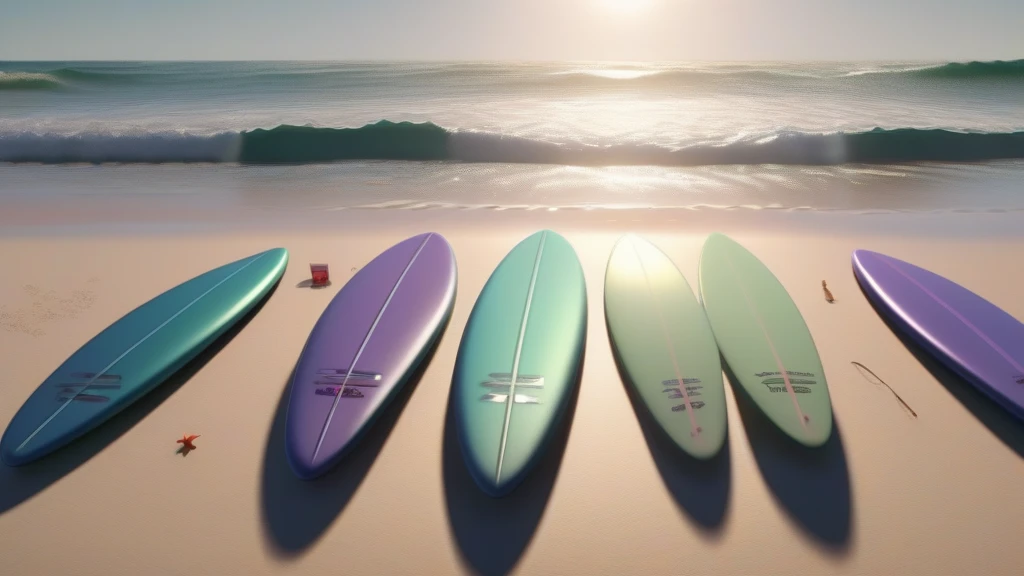
Surfing is an exciting and rewarding water sport that attracts enthusiasts of all ages and skill levels. For casual surfers, especially beginners, families, and surf schools, selecting the right surfboard can significantly enhance the learning experience and overall enjoyment. Among the most popular beginner-friendly options are soft top surfboards and hybrid surfboards. Both types prioritize safety, ease of use, and durability, but they have distinct features that influence performance and suitability.
In this article, we’ll explore the differences between soft top and hybrid surfboards, highlight their benefits, and help you make an informed choice based on your needs and surfing goals.
Understanding Soft Top Surfboards
What Are Soft Top Surfboards?
Soft top surfboards are characterized by their foam deck surfaces, which provide a cushioned, non-abrasive layer over a sturdy foam core. This construction reduces the risk of injury, making these boards particularly popular with beginners, children, and family groups. The foam typically used is impact-resistant and often combined with eco-friendly materials to enhance sustainability.
Key Features of Soft Top Boards
- Safety: The soft foam deck minimizes cuts and bruises during falls or collisions.
- Durability: Foam cores and UV-resistant skins protect against dings and water damage.
- Stability: Wide and thick shapes with moderate rocker profiles offer excellent balance.
- Ease of Use: Lightweight and buoyant, these boards make paddling and wave catching easier.
- Maintenance: Soft tops require less care and are less prone to damage from rough handling.
- Portability: Many soft top boards include handles and come with carry bags for convenient transport.
Ideal Users for Soft Top Surfboards
- Beginners and novice surfers seeking a forgiving learning platform.
- Children and family groups prioritizing safety and ease.
- Surf schools needing durable boards for repeated use.
- Casual beachgoers wanting a versatile and low-maintenance option.
Exploring Hybrid Surfboards
What Are Hybrid Surfboards?
Hybrid surfboards combine elements from both soft top and traditional hard boards. Typically, they feature a foam core with a softer deck surface but incorporate more rigid materials on the rails and bottom for improved performance. This design aims to balance the safety and stability of soft tops with enhanced maneuverability and speed.
Key Features of Hybrid Boards
- Performance: Firmer rails and bottoms improve turning and control.
- Versatility: Suitable for a wider range of wave conditions, including slightly larger or faster waves.
- Safety: Retains soft deck surfaces to reduce injury risks.
- Materials: Often utilize eco-friendly composites and waterproof layers for durability.
- Fin Configurations: Available with single, twin, or tri-fin setups to tailor handling.
- Moderate Rocker: Designed to maintain speed without compromising stability.
Ideal Users for Hybrid Surfboards
- Casual surfers transitioning beyond the beginner stage.
- Surfers seeking a blend of safety and enhanced wave-riding capabilities.
- Families wanting a board that grows with skill level.
- Surf schools offering progressive lessons with varied board options.
Comparing Soft Top and Hybrid Surfboards: What Sets Them Apart?
| Feature | Soft Top Surfboards | Hybrid Surfboards |
|---|---|---|
| Deck Material | Fully soft foam | Soft foam deck with rigid rails/bottom |
| Safety | Highest protection from impacts | Good safety with softer deck |
| Performance | Stable, easy to paddle, forgiving | More responsive, better for turning |
| Durability | Highly durable, impact-resistant | Durable with reinforced rails |
| Weight | Generally lightweight | Slightly heavier due to composite parts |
| Wave Conditions | Best for small to medium, gentle waves | Suitable for a broader range, including faster waves |
| User Skill Level | Beginners, children, first-timers | Intermediate casual surfers, progressing beginners |
| Portability | Easy to carry with handles and bags | Portable but may be less lightweight |
| Environmental Impact | Often made with recyclable or biodegradable foam | Uses eco-friendly composites, some harder to recycle |
Choosing the Right Board for Your Surfing Journey
Selecting between a soft top and hybrid surfboard depends largely on your current skill level, surfing goals, and typical wave conditions. Here are some practical tips to guide your decision:
For Absolute Beginners and Families
Soft top surfboards are generally the safest and simplest choice. Their forgiving nature allows new surfers to focus on balance and paddling without worrying about injury from the board. The wide, stable design helps beginners catch waves more easily, while the durable foam construction withstands bumps and knocks common during lessons or family outings.
For Casual Surfers Ready to Progress
If you have some basic surfing experience and want a board that offers improved maneuverability without sacrificing safety, hybrid surfboards are a great option. They provide a smooth transition from beginner to intermediate surfing by combining soft deck comfort with enhanced performance features. Hybrids also handle a wider variety of wave types, making them versatile for different beach conditions.
Consider Your Environment and Lifestyle
- Wave Size: Smaller, slower waves favor soft tops, while hybrids can handle faster, more powerful surf.
- Transport Needs: If you need a lightweight, easy-to-carry board, soft tops typically win.
- Sustainability: Both board types increasingly incorporate eco-friendly materials. Check for certifications or product details highlighting recyclable foam or marine-safe composites.
- Safety Priorities: For families with children or surf schools, safety features like soft rails and anti-slip decks are critical.
Maintenance and Care Tips for Beginner Surfboards
Regardless of the board you choose, proper maintenance will extend its lifespan and performance:
- Rinse with Fresh Water: After each session, rinse off salt and sand to prevent degradation.
- Store in Shade: UV exposure damages foam and skins; use board bags or store indoors.
- Check Fins Regularly: Ensure fins are secure and free from damage to maintain control.
- Use Repair Kits: Minor dings or tears can be fixed quickly with repair kits often included with beginner boards.
- Avoid Excessive Heat: Do not leave boards in hot cars or direct sunlight for prolonged periods.
Supporting Your Surfing Experience with Accessories
Beginner and casual surfers benefit from accessories that enhance safety and convenience:
- Leashes: Prevent boards from drifting away and improve safety in the water.
- Wax Kits: Provide grip on the deck for better footing.
- Instructional Materials: Books or videos on paddling, popping up, and wave etiquette boost confidence.
- Carry Bags: Protect boards during transport and make carrying easier.
Conclusion
Choosing between soft top and hybrid surfboards boils down to balancing safety, performance, and personal progression in surfing. Soft tops offer unparalleled safety and ease, making them ideal for absolute beginners, children, and families. Hybrids, on the other hand, deliver a versatile, performance-oriented experience while maintaining many safety features, perfect for casual surfers ready to advance.
By understanding the design, materials, and features of each board type, you can select the surfboard best suited to your skill level, wave environment, and lifestyle. Prioritize boards with durable, eco-friendly construction and safety-focused elements to enjoy a fun, responsible, and rewarding surfing journey.