
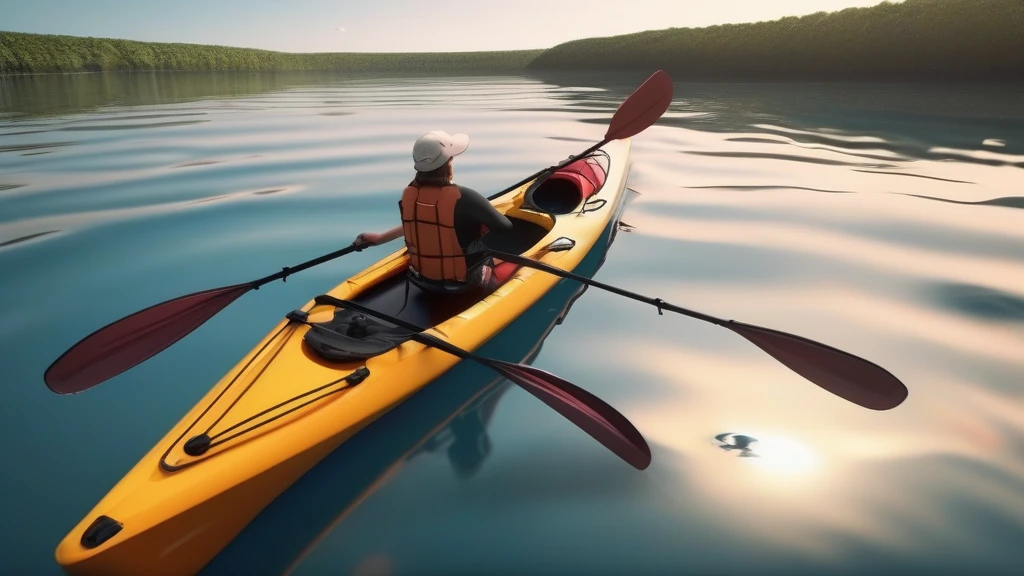
Folding kayaks have revolutionized the boating experience for outdoor enthusiasts who value portability, convenience, and versatility. Whether you’re a weekend paddler exploring calm lakes or an adventurer navigating choppier rivers, the ability to fold your kayak into a compact form for easy transport and storage is a game-changer. Among folding kayak options, one key decision stands out: should you choose a solo or a tandem model? This article breaks down the differences, advantages, and considerations of solo versus tandem folding kayaks to help you find the right fit for your paddling style.
Understanding Folding Kayaks: Portability Meets Performance
Before diving into solo vs tandem specifics, it’s helpful to understand what makes folding kayaks unique. Unlike traditional rigid kayaks, folding kayaks incorporate lightweight yet durable materials such as marine-grade aluminum frames, double-wall PVC fabric, and composites like polycarbonate or carbon fiber. Their assembly typically takes between 5 to 20 minutes, after which they provide sturdy performance on various water terrains. They can fold into compact sizes, often fitting into backpack-style bags or suitcase cases, making them ideal for users with limited storage or frequent travelers.
With this context, the choice between solo and tandem folding kayaks hinges on how you plan to use your kayak most often.
Solo Folding Kayaks: Freedom and Maneuverability for the Individual Paddler
Benefits of Solo Folding Kayaks
- Lightweight and Compact: Solo models tend to be smaller and lighter than tandems, making them easier to carry, assemble, and store. This suits paddlers who hike to remote launch points or travel frequently.
- Enhanced Maneuverability: With a narrower hull and lighter weight, solo kayaks offer quicker turns, greater responsiveness, and easier control—ideal for exploration in tight waterways or swift currents.
- Personalized Paddling Pace: Solo kayaks allow you to set your own rhythm without coordinating with a partner, providing a more meditative or performance-focused experience.
- Simplified Maintenance: Fewer components and a smaller frame often translate to easier upkeep and repairs.
Considerations for Solo Kayaks
- Limited Passenger Capacity: By design, solo kayaks accommodate only one paddler, which might be a drawback if you want to share your paddling adventures.
- Load Capacity Constraints: Solo folding kayaks typically support weights up to around 220-300 lbs, so it’s important to consider your gear and body weight.
- Less Stability in Rough Waters: While many solo models offer good stability, they may not match tandem models in balance and load distribution on choppy conditions.
Ideal Use Cases for Solo Folding Kayaks
- Recreational paddling on calm lakes and slow-moving rivers
- Fitness and performance-oriented paddling with an emphasis on speed and agility
- Solo travelers or hikers requiring ultra-portability and minimal setup
- Beginners who want a straightforward, manageable kayak for learning basics
Tandem Folding Kayaks: Shared Adventures and Stability for Two
Benefits of Tandem Folding Kayaks
- Shared Paddling Experience: Tandem kayaks are designed to accommodate two paddlers comfortably, making them perfect for couples, friends, or parent-child outings.
- Increased Load Capacity: Tandem models often support combined weights up to 400 lbs or more, allowing for extra gear and provisions for extended trips.
- Enhanced Stability: The broader hull and weight distribution contribute to greater stability, which is beneficial in rougher water conditions or when carrying additional equipment.
- Versatility: Many tandem folding kayaks can be paddled solo by adjusting seat placement, providing flexible use.
Considerations for Tandem Kayaks
- Heavier and Bulkier: Tandem kayaks require more effort to carry and assemble due to their larger size and weight.
- Coordination Needed: Effective paddling requires synchronization between partners, which may take practice to master, especially for beginners.
- More Storage Space: Even when folded, tandem kayaks demand more storage room compared to solo models.
Ideal Use Cases for Tandem Folding Kayaks
- Couples or friends wanting to share the paddling experience
- Families with children looking for safe and stable watercraft
- Extended trips requiring additional gear and load capacity
- Paddlers who prefer stability and balanced handling in various water environments
Key Factors to Consider When Choosing Between Solo and Tandem Folding Kayaks
1. Your Primary Paddling Activity
Assess where and how often you’ll be kayaking. Solo kayaks excel in quick, agile paddling on calm or moderate waters. Tandem kayaks shine when you want companionship or require extra load capacity for longer excursions.
2. Portability and Storage Constraints
If you have limited storage space or need to travel light, solo folding kayaks usually offer superior compactness and lighter weight. Tandem kayaks, while foldable, occupy more space and require more physical effort to handle.
3. Skill Level and Experience
Beginners may find solo kayaks simpler to manage initially, though tandem kayaks provide added stability that can inspire confidence in new paddlers. However, paddling tandem requires communication and teamwork.
4. Budget and Accessories
While this article focuses on functional differences, keep in mind that tandem kayaks often come with more accessories or options for customization, such as adjustable seats, skegs (for better tracking), and repair kits suited for two paddlers.
5. Water Conditions and Safety
Consider the typical water environments you’ll frequent. Tandem kayaks generally handle choppier waters better due to their stability and weight distribution. Solo kayaks might be preferable on flat, sheltered waters where speed and maneuverability matter most.
Conclusion: Matching Your Paddling Style to Your Folding Kayak Choice
Choosing between solo and tandem folding kayaks boils down to your personal paddling needs, lifestyle, and adventure goals. Solo folding kayaks offer unmatched portability and nimbleness, perfect for independent paddlers who value quick setup and ease of transport. Tandem folding kayaks foster shared experiences, greater stability, and higher load capacity, ideal for companions seeking to enjoy the water together.
By weighing factors such as typical water conditions, storage capabilities, and paddling preferences, you can select a folding kayak that enhances your boating experience without compromise. Whether solo or tandem, folding kayaks open doors to spontaneous adventures and unforgettable moments on the water—delivered in a compact, transport-friendly package.
This guide aims to inform potential kayakers about the practical distinctions between solo and tandem folding kayaks, helping you make confident decisions aligned with your paddling style and outdoor pursuits.