
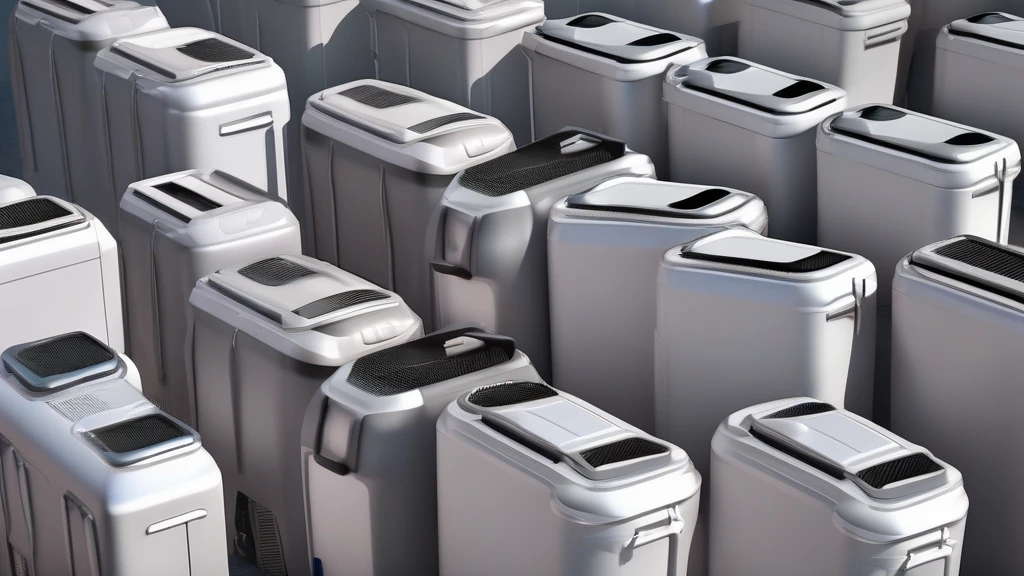
When it comes to keeping food and beverages chilled during outdoor adventures, picnics, or backyard gatherings, choosing the right cooler can make all the difference. With a wide array of options available—from rugged hard-shell models to versatile soft-sided backpacks and innovative electric coolers—understanding the strengths and limitations of each type is essential. This guide offers a head-to-head comparison of different cooler styles and materials to help you select the ideal portable cooling solution tailored to your activity, group size, and lifestyle.
Understanding Cooler Types and Their Core Features
Coolers in the Food & Beverage Carriers category primarily focus on durability, insulation efficiency, and portability. Below is an overview of the main cooler types you’ll encounter:
- Hard-shell Rotomolded Coolers
- Soft-sided Fabric Coolers
- Backpack Coolers
- Wheeled Coolers
- Collapsible Coolers
- Electric Coolers
Each type employs distinct materials and insulation technologies designed to meet specific needs. Let’s explore how they stack up.
Hard-Shell Rotomolded Coolers: The Durability Champions
Materials and Construction
Hard-shell coolers are typically constructed from rotomolded plastic—a manufacturing process that creates a single, seamless, and extremely durable shell. This design ensures impact resistance, UV protection, and weatherproofing, making these coolers ideal for rugged outdoor use.
Insulation and Ice Retention
Equipped with thick, double-walled, vacuum-sealed insulation, many hard-shell coolers provide exceptional ice retention, often exceeding 48 to 72 hours. Some models incorporate hybrid insulation systems that combine foam and vacuum technology to maximize cooling performance.
Features and Usability
- Leakproof liners and easy-drain systems simplify cleaning and water removal.
- Lockable lids enhance security for food and beverages during transport.
- Built-in cup holders, bottle openers, and removable dividers add multifunctional convenience.
- Non-slip rubber feet and heavy-duty handles improve stability and handling.
Best Use Cases
Ideal for multi-day camping trips, fishing expeditions, and large group outings where durability and extended ice retention are paramount.
Considerations
Heavier and bulkier than soft coolers; less convenient for small groups or short trips.
Soft-sided Fabric Coolers: Lightweight and Versatile
Materials and Construction
Soft-sided coolers use high-density polyester nylon or EVA foam, often with water-resistant and anti-stain coatings. Many incorporate BPA-free, recyclable fabrics, reflecting an eco-friendly design approach.
Insulation and Ice Retention
While insulation is generally less robust than rotomolded coolers, advanced gel-based or foam insulation can keep contents chilled for 12 to 24 hours—suitable for day trips and quick outings.
Features and Usability
- Flexible, lightweight design makes them easy to carry and store.
- Many models feature leakproof liners, removable dividers, and external pockets for organization.
- Ergonomic non-slip handles and shoulder straps enhance portability.
- Some come with built-in bottle openers or mesh compartments for utensils.
Best Use Cases
Perfect for beach days, picnics, lunch transport, and short road trips where portability and convenience outweigh ultra-long ice retention.
Considerations
Not as durable against rough treatment; insulation performance is limited compared to hard-shell units.
Backpack Coolers: Hands-Free Portability
Materials and Construction
Backpack coolers combine durable polyester nylon fabrics with EVA foam insulation, often reinforced with water-resistant coatings. Some include eco-conscious materials that are BPA-free and recyclable.
Insulation and Ice Retention
Similar to soft-sided coolers, backpack coolers typically maintain chilled temperatures for up to 24 hours, depending on insulation thickness and ice quantity.
Features and Usability
- Ergonomic padded shoulder straps and ventilated back panels improve comfort for extended wear.
- Multiple compartments and organizational pockets keep food and gear separate.
- Leakproof interior liners prevent spills.
- Compact sizes range from 12-can capacity for day trips to larger models for family outings.
Best Use Cases
Ideal for hikers, cyclists, and festival-goers who need hands-free carrying with moderate cooling needs.
Considerations
Limited capacity compared to wheeled or hard-shell coolers; ice retention is moderate.
Wheeled Coolers: Effortless Mobility for Heavy Loads
Materials and Construction
Wheeled coolers often feature a hard outer shell constructed from rotomolded plastic or reinforced polypropylene, combined with thick foam insulation.
Insulation and Ice Retention
On par with hard-shell coolers, many wheeled models offer 48 to 72 hours of ice retention thanks to double-walled, vacuum-sealed insulation.
Features and Usability
- Telescoping or foldable handles and rugged wheels enable easy transport over various terrains.
- Lockable lids and secure latches protect contents during movement.
- Some include cup holders and bottle openers integrated into the design.
- Large capacity options (50 to 75 quarts) accommodate group events and multi-day trips.
Best Use Cases
Perfect for tailgating, beach parties, family camping, and any situation where heavy loads need to be transported with minimal effort.
Considerations
Bulkier and heavier than backpacks or soft-sided coolers; wheels may add weight and can be susceptible to damage on rough terrain.
Collapsible Coolers: Space-Saving Convenience
Materials and Construction
Made primarily from flexible, high-density polyester or nylon with EVA foam insulation, collapsible coolers emphasize portability and storage ease.
Insulation and Ice Retention
Due to thinner insulation layers, they typically offer 8 to 16 hours of cooling—adequate for brief outings or as supplementary carriers.
Features and Usability
- Fold-flat design for easy storage in small apartments, cars, or backpacks.
- Leakproof liners and zippered closures prevent spills.
- Often include shoulder straps or handles for easy carrying.
Best Use Cases
Ideal for urban dwellers, commuters, or backup coolers for picnics and short trips.
Considerations
Limited insulation performance and durability compared to hard-shell or wheeled coolers.
Electric Coolers: High-Tech Cooling on the Go
Materials and Construction
Electric coolers combine insulated fabric or hard-shell exteriors with integrated thermoelectric or compressor cooling systems powered by 12V car outlets or AC sources.
Insulation and Ice Retention
Electric coolers do not rely on ice but rather active cooling technology to maintain temperatures below ambient levels for days, providing consistent chilling without ice replenishment.
Features and Usability
- Temperature controls with digital displays.
- USB ports and interior LED lights in some models.
- Lightweight and compact designs.
- Ideal for keeping perishables fresh during long drives or in remote locations.
Best Use Cases
Road trips, camping without ice access, and situations requiring consistent cooling performance.
Considerations
Require power source; typically less ice retention if used without power; noisier than passive coolers.
Comparing Key Features Across Cooler Types
| Cooler Type | Insulation Method | Ice Retention | Portability Features | Durability | Typical Capacity | Best For |
|---|---|---|---|---|---|---|
| Hard-shell Rotomolded | Double-walled vacuum-sealed | 48-72+ hours | Heavy-duty handles, non-slip feet | Extremely rugged | 25 to 75+ quarts | Multi-day trips, fishing, camping |
| Soft-sided Fabric | Gel-based or foam insulation | 12-24 hours | Lightweight, shoulder straps | Moderate | 12 to 24 cans | Day trips, beach, picnics |
| Backpack Coolers | EVA foam + polyester fabric | 12-24 hours | Padded straps, ergonomic design | Moderate | 12 to 24 cans | Hiking, festivals, cycling |
| Wheeled Coolers | Vacuum-sealed foam insulation | 48-72 hours | Telescoping handles, wheels | Rugged | 50 to 75 quarts | Tailgating, large groups |
| Collapsible Coolers | Thin foam + polyester fabric | 8-16 hours | Fold-flat, handles or straps | Less durable | 12 to 20 cans | Urban use, short trips |
| Electric Coolers | Thermoelectric/compressor | Continuous cooling | Lightweight, plug-in power | Varies | 20 to 40 quarts | Road trips, long drives |
Tips for Maximizing Cooler Performance and Usability
- Pre-chill your cooler: Before packing, cool the interior with ice or cold water to enhance ice retention.
- Use block ice or large ice packs: They melt slower than cubed ice, extending cooling duration.
- Keep the cooler shaded: Avoid direct sunlight to reduce heat gain.
- Organize contents: Use removable dividers and pack items tightly to minimize air pockets.
- Minimize opening frequency: Every time the cooler opens, cold air escapes.
- Drain water regularly: Use built-in easy-drain plugs to remove melted ice water, which can accelerate ice melt.
- Clean and maintain: Follow manufacturer instructions for cleaning—soft coolers often require gentle washing and air drying, while hard-shell coolers can be hosed down and wiped with mild detergents.
Eco-Friendly Considerations in Cooler Selection
Sustainability is increasingly relevant in outdoor gear. Look for coolers featuring:
- BPA-free liners and materials to avoid harmful chemicals.
- Recyclable fabrics and plastics that reduce landfill waste.
- Durable construction to extend product lifespan and reduce replacement frequency.
- Manufacturers with sustainable practices, such as using recycled materials or eco-conscious production methods.
Soft-sided coolers made with high-density polyester nylon and EVA foam often incorporate recyclable and BPA-free components, while some hard-shell models now use eco-friendly plastics.
Conclusion: Choosing the Right Cooler for Your Needs
Selecting a cooler depends on balancing ice retention, durability, portability, and your specific activity demands:
- For rugged, long-lasting cold storage on extended outdoor trips, hard-shell rotomolded or wheeled coolers excel.
- For lightweight, easy-to-carry options for day outings or beach trips, soft-sided fabric coolers and backpack coolers provide convenience.
- For space-saving and quick cooling needs, collapsible coolers offer compelling portability.
- For consistent cooling without ice, electric coolers bring modern technology to the table.
By considering insulation technology, materials, capacity, and ergonomic features aligned with your lifestyle, you can make an informed purchase that keeps your food and beverages perfectly chilled every time you head outdoors.
Whether you’re a weekend camper, a beach enthusiast, or planning a family picnic, understanding the nuances of cooler types helps you pick a reliable companion for your adventures. Stay cool and enjoy every outdoor moment!