
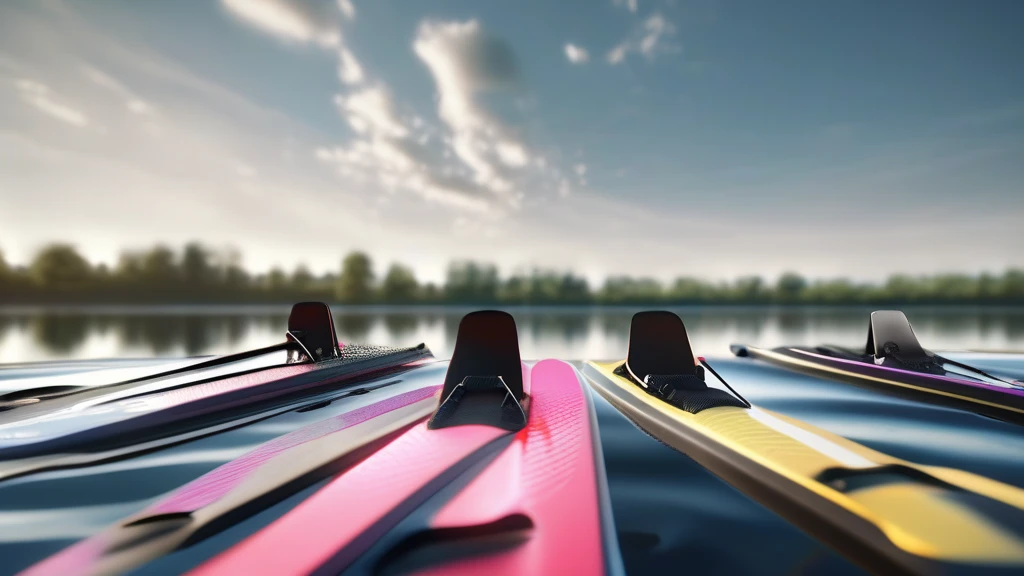
Water skiing is a thrilling sport that combines speed, balance, and skill, offering both recreational enjoyment and competitive excitement. Whether you’re a beginner learning the basics or an advanced freestyler pushing the limits with tricks, the equipment you choose can dramatically influence your experience on the water. Among the many features of modern water skis, adjustable fins and bindings stand out as critical customization options that help enhance control, stability, and comfort.
In this article, we’ll explore how these adjustable components contribute to better performance, why they matter across different skill levels, and practical tips on how to tailor your water skis to suit your needs.
Understanding the Role of Fins in Water Skiing
What Are Water Ski Fins?
Fins are small, fin-shaped components attached to the underside of water skis. Typically made from durable materials like fiberglass, carbon fiber, or reinforced plastics, fins provide directional stability by helping the ski track straight through the water. They act like rudders, improving steering precision and preventing unwanted sliding or spinning.
Why Adjustable Fins Matter
Fixed fins come in a standard size and angle, which might be sufficient for casual use or beginners. However, adjustable fins allow skiers to modify their position, size, or angle according to water conditions, skiing style, and personal preference. This adaptability can significantly affect:
- Control: Larger fins or those angled differently can provide more grip on the water, improving turn response and reducing skidding.
- Speed: Smaller or retracted fins reduce drag, allowing for faster runs, which is ideal for slalom or racing skis.
- Maneuverability: Fine-tuning fin settings can make freestyle tricks easier by balancing stability and the ability to pivot.
Types of Adjustable Fin Settings
Most adjustable fin systems allow for:
- Position adjustment: Moving the fins forward or backward along the ski changes the turning radius and stability.
- Angle adjustment: Tilting fins inward or outward (cant) affects how aggressively the ski grips the water.
- Interchangeable fin sizes: Swapping fins of different sizes for varied water conditions or skill demands.
For example, a beginner might prefer larger fins positioned for maximum stability, while an advanced skier might opt for smaller fins placed to optimize quick turns.
The Importance of Customizable Bindings
What Are Bindings?
Bindings are the interface between the skier’s feet and the water skis. They secure the feet in place and transmit the skier’s movements directly to the ski. Good bindings offer a snug fit without restricting circulation, provide shock absorption, and, importantly, incorporate safety mechanisms like quick-release systems.
How Adjustable Bindings Enhance Comfort and Safety
Water skiing involves dynamic, high-impact movements, so bindings that don’t fit well can cause discomfort, cramps, or even injury. Adjustable bindings enable the skier to:
- Achieve precise fit: Many bindings feature adjustable straps, heel cups, or size ranges to accommodate different foot shapes and sizes.
- Improve comfort: Ergonomic designs with cushioning and ventilation reduce fatigue during extended sessions.
- Enhance control: A secure foot placement means better power transfer for sharper turns and better balance.
- Increase safety: Quick-release bindings help prevent injuries by allowing the foot to detach rapidly in case of a fall or sudden impact.
Many modern skis come with bindings that can be repositioned along the ski’s length, allowing the skier to fine-tune weight distribution. Moving bindings slightly forward can improve responsiveness, while placing them back can add stability.
How to Customize Your Water Skis for Optimal Performance
Assess Your Skill Level and Skiing Goals
Before adjusting fins and bindings, consider your:
- Experience: Beginners typically need more stability, so larger fins and centrally positioned bindings are preferable.
- Skiing style: Freestylers and trick performers benefit from more maneuverable fin setups and flexible bindings, while racers prioritize speed and responsiveness.
- Water conditions: Choppy water might require bigger fins for better hold, while calm lakes allow for smaller fins to maximize speed.
Experiment with Fin Settings
Start with fins in the manufacturer-recommended default position and size. Then, try small adjustments:
- Move fins forward to make turns tighter and increase grip.
- Move fins backward for smoother, more stable rides.
- Adjust the cant to find a balance between edge-hold and ease of turning.
Keep notes on how each change feels in the water to develop a personalized setup.
Adjust Bindings for Fit and Balance
- Ensure bindings are snug but not constricting; adjust straps or laces accordingly.
- If your bindings have adjustable positioning, experiment by shifting them slightly forward or backward to see how it affects your control.
- Pay attention to comfort during longer sessions; swelling feet or pressure points indicate a need for further adjustment.
Benefits of Customizing Fins and Bindings
Enhanced Control and Stability
Proper fin and binding adjustments help maintain balance and directional control, reducing fatigue and improving confidence on the water.
Increased Comfort and Reduced Injury Risk
Well-fitted bindings minimize foot strain and enhance safety with quick-release features, while fin customization helps prevent falls caused by unexpected slides or spins.
Adaptability to Different Conditions and Activities
Adjustable components allow a single pair of skis to perform well in varying water conditions and for different activities, whether it’s leisurely cruising or competitive slalom racing.
Final Thoughts: Making the Most of Your Water Ski Setup
Customizing your water skis with adjustable fins and bindings is one of the most effective ways to improve your overall experience. These features empower you to fine-tune your equipment to your unique body, skill level, and water environment—helping you ski longer, safer, and with greater enjoyment.
When shopping for water skis, look for models that offer durable, easy-to-adjust fins and bindings made from advanced materials designed for performance and longevity. Remember that customization is a process—don’t hesitate to experiment and refine settings as your skills evolve or conditions change.
By understanding and leveraging these customizable features, you’ll unlock better control, comfort, and confidence on every run, making your time on the water both rewarding and fun.