
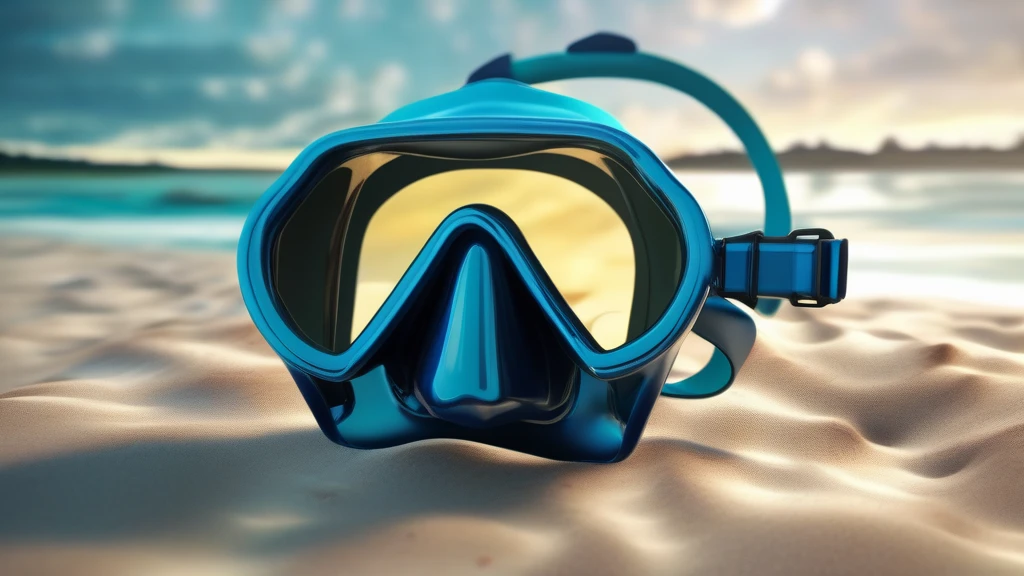
When it comes to exploring the underwater world, having the right diving or snorkeling mask can make all the difference. A good mask not only enhances your underwater vision but also ensures comfort and safety during your adventures. The market offers a variety of masks designed for different activities, skill levels, and preferences. This guide breaks down the key types, materials, and designs of diving and snorkeling masks to help you make an informed choice that fits your needs perfectly.
Understanding the Basics: What Makes a Great Diving or Snorkeling Mask?
Before diving into comparisons, it’s important to understand the core features common to most quality masks:
-
Skirt and Strap Material: Most modern masks use eco-friendly, hypoallergenic silicone for skirts and straps. Silicone provides a secure, leak-free seal and is comfortable for extended wear. Adjustable or quick-release buckles allow for easy fit customization.
-
Lens Material and Treatment: Tempered glass lenses are standard for durability and safety. Many masks feature coatings such as anti-fog to maintain clarity, hydrophobic to repel water, polarized or mirrored lenses to reduce glare, and UV protection for sun safety.
-
Design and Volume: Masks vary from single or dual lens to frameless or flexible framed designs. Volume typically ranges from low to medium, affecting buoyancy and ease of clearing water. Visibility fields can be wide or panoramic to suit different underwater perspectives.
These elements combine in various ways across masks to suit distinct underwater activities and user preferences.
Types of Diving & Snorkeling Masks: A Head-to-Head Comparison
1. Traditional Dual-Lens Masks
Overview:
Dual-lens masks have separate lenses over each eye, framed by a rigid or flexible frame. This classical design is popular among recreational divers and snorkelers.
Pros:
- Often provides a wider field of view compared to single-lens.
- Easier to fit prescription lenses for users with vision correction needs.
- Rigid frames offer durability and support.
Cons:
- Slightly higher internal volume can make clearing water a bit more challenging.
- Bulkier than frameless designs.
Best For:
Recreational scuba divers and snorkelers looking for reliable performance and those who need prescription lenses.
2. Single-Lens Masks
Overview:
Single-lens masks feature one continuous lens over both eyes. Frameless or flexible framed varieties are common, with a sleek profile.
Pros:
- Enhanced panoramic visibility with fewer obstructions.
- Usually lower internal volume, which is preferred by freedivers and spearfishers for streamlined performance.
- Lightweight and often more compact for travel.
Cons:
- Prescription lens fitting is less common or more complicated.
- May offer less structural rigidity than framed masks.
Best For:
Freediving, spearfishing, and underwater photography where a wide, distortion-free view and low volume are priorities.
3. Frameless Masks
Overview:
Frameless masks eliminate the rigid frame, attaching lenses directly to the silicone skirt, creating a flexible, lightweight design.
Pros:
- Extremely lightweight and comfortable.
- Compact and easy to pack for travel.
- Often offer excellent sealing due to flexible skirts.
Cons:
- Less durable than framed masks; lenses are more exposed to impact.
- May not accommodate prescription lenses easily.
Best For:
Casual snorkelers and freedivers who prioritize comfort and portability.
4. Full-Face Snorkel Masks
Overview:
Full-face masks cover the entire face, integrating both the mask and snorkel into one unit. They allow breathing through nose and mouth without a separate snorkel tube.
Pros:
- Ideal for beginners who may find traditional snorkels uncomfortable.
- Offers a wide, unobstructed field of view.
- Prevents water entry through the nose with a built-in snorkel design.
Cons:
- Higher internal volume can cause buoyancy issues.
- Limited compatibility with scuba diving equipment.
- Some safety concerns in deeper water due to CO2 buildup risks if not properly designed.
Best For:
Recreational surface snorkeling in calm waters, especially for families and casual users.
Material and Lens Coating Impact: Choosing for Visibility and Durability
Silicone Skirts and Straps
Eco-friendly, hypoallergenic silicone is the industry standard, favored for softness and sealing ability. Masks with thicker, more pliable skirts conform better to different face shapes, reducing leaks and improving comfort.
Tempered Glass Lenses
Tempered glass provides resistance against impact and scratches, essential for durability and safety. Some masks add specialized coatings:
-
Anti-Fog Coatings: Crucial for maintaining clear vision underwater. Some masks also recommend applying anti-fog solutions or saliva to prevent fogging.
-
Hydrophobic Coatings: Repel water droplets, improving visibility during surface swimming or in choppy water.
-
Polarized and Mirrored Lenses: Useful for bright, sunny conditions, reducing glare from the water surface.
-
UV Protection: Important for snorkelers spending extended time near the surface to protect eyes from harmful ultraviolet rays.
Volume and Fit: Why It Matters
Low vs. Medium Volume Masks
-
Low Volume Masks: Contain less air space inside, making them easier to clear and reducing buoyancy. Preferred by freedivers, spearfishers, and underwater photographers who require streamlined equipment and quick water clearing.
-
Medium Volume Masks: Provide more internal space, generally offering a more spacious feel but can trap more water and require more effort to clear. Common among recreational scuba divers.
Achieving the Perfect Fit
A proper fit prevents leaks and discomfort:
- Press the mask gently against your face without using the strap. If it stays in place by suction, it’s a good fit.
- Look for adjustable or quick-release buckles for easy strap customization.
- Consider face shape: some masks have skirts designed for narrow, wide, or oval faces.
- Avoid overtightening straps to reduce pressure marks and discomfort during longer dives.
Specialized Masks for Unique Activities
Freediving Masks
These masks emphasize low internal volume and hydrodynamic design to minimize drag and allow quick equalization. Frameless single-lens masks with flexible skirts are common, often featuring tempered glass with anti-fog coatings.
Underwater Photography Masks
Wide, distortion-free panoramic lenses are crucial to capture the best shots. These often have medium volume and rigid frames to support additional equipment like camera mounts. Polarized lenses can help photographers see colors and contrast better underwater.
Spearfishing Masks
Streamlined, low-profile masks with low volume reduce drag and improve comfort during prolonged activity. Durable silicone skirts and secure buckles are essential for active movement.
Maintenance and Sustainability Considerations
To prolong mask lifespan and maintain clarity:
- Rinse masks with fresh water immediately after use to remove salt and debris.
- Use recommended anti-fog treatments or natural saliva before each dive.
- Store masks in protective cases to prevent lens scratches and deformation.
- Avoid prolonged exposure to direct sunlight and chemicals that can degrade silicone.
Many manufacturers now focus on sustainability by using recycled materials and eco-friendly silicones, reducing environmental impact in manufacturing.
Safety Certifications: What They Mean for You
Look for masks certified by ISO, CE, or TÜV, as these standards verify the product meets safety and quality requirements. Certified masks guarantee tempered glass lenses, hypoallergenic materials, and reliable sealing performance, ensuring peace of mind during underwater activities.
Conclusion: Matching Masks to Your Underwater Adventure
Choosing the right diving or snorkeling mask depends largely on your activity type, skill level, face shape, and personal preferences. Recreational divers may prioritize durability and prescription lens options with traditional dual-lens masks, while freedivers and spearfishers typically opt for low-volume, single-lens or frameless designs. Full-face snorkel masks simplify breathing for casual surface snorkeling, but are less suitable for deeper diving.
By understanding the core features—silicone skirts, tempered glass lenses with coatings, design types, and volume—you can select a mask that offers optimal visibility, comfort, and safety tailored to your underwater explorations. Proper fit and maintenance further enhance your experience and gear longevity, ensuring many clear and enjoyable dives ahead.