
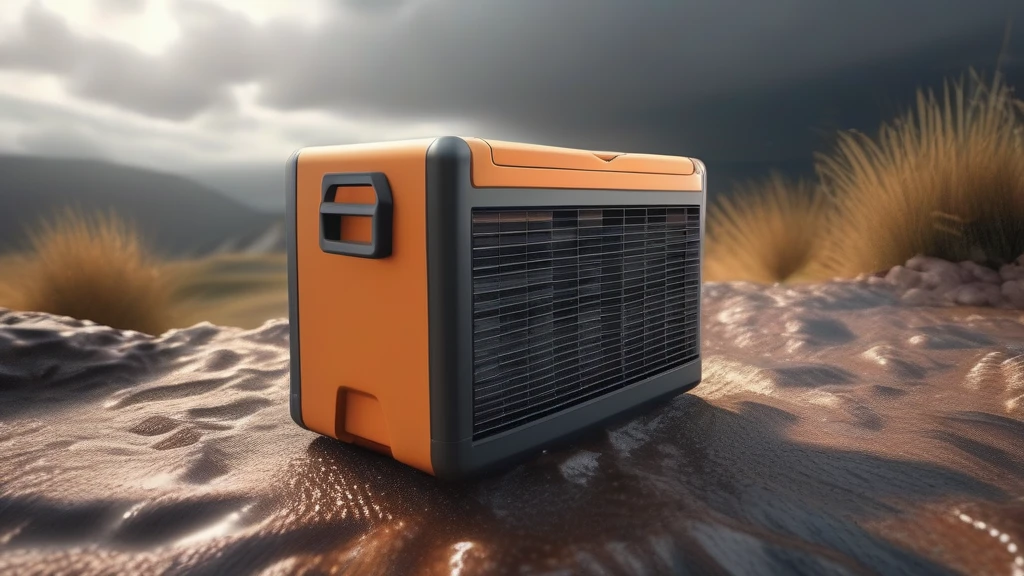
When it comes to outdoor adventures—whether camping, fishing, beach outings, or backyard gatherings—a reliable cooler is a trusted companion. But beyond simply keeping your food and drinks cold, a cooler must endure the rigors of the outdoors. Weatherproofing and impact resistance are key qualities that ensure your cooler stands up to sun, rain, bumps, and rough handling. Understanding what makes a cooler durable enough for wild conditions helps you choose the right model for your needs and protects your investment for years to come.
Understanding Weatherproofing: Shielding Your Cooler from the Elements
Materials That Resist UV Rays and Moisture
Exposure to sunlight and moisture can degrade many materials over time, causing discoloration, brittleness, or mold growth. Weatherproof coolers are designed using materials that withstand these challenges:
- Rotomolded Plastic: This thick, seamless plastic shell is highly UV-resistant and doesn’t crack or fade easily in sunlight. Its dense structure also prevents water absorption.
- High-Density Polyester and Nylon Fabrics: Soft-sided coolers often use coated polyester or nylon with water-repellent treatments to keep moisture out while resisting mildew.
- Stainless Steel Components: Hinges, latches, and handles made from stainless steel resist rust and corrosion, essential for wet, salty environments like the beach or fishing trips.
Sealed Construction and Leakproof Liners
Weatherproof coolers feature tight seals to prevent water ingress during rain or accidental spills. Leakproof liners made from BPA-free, food-safe materials protect the cooler’s insulation and interior from moisture damage. Additionally, some models include drain plugs with secure caps that keep water out but allow easy draining of melted ice.
Mold, Mildew, and Stain Resistance
Outdoor coolers may encounter dirt, algae, or food stains. Weatherproof designs incorporate anti-stain coatings and antimicrobial treatments to inhibit mold and mildew growth. This not only extends the cooler’s life but also simplifies cleaning and maintenance.
Impact Resistance: Protecting Your Cooler from Drops and Bumps
The Role of Rotomolded Construction
One of the most durable cooler types is the hard-shell rotomolded model. Made by a rotational molding process, these coolers have walls with uniform thickness and no weak points like seams or joints. This structure absorbs shocks and impacts better than thinner plastic or fabric models, withstanding drops, knocks against rocks, or rough handling during transport.
Reinforced Corners and Protective Bumpers
Many rugged coolers feature reinforced corners or rubber bumpers that cushion impacts. These design elements act as shock absorbers, preventing cracking or chipping when the cooler is accidentally dropped or slid across rough terrain.
Heavy-Duty Hinges and Locking Mechanisms
Impact-resistant coolers use robust hinges and locking latches, often made of stainless steel or reinforced polymer, to maintain lid security and structural integrity even after repeated use or forceful impacts.
Durability in Mobility Features
Wheeled coolers and those with telescoping handles must balance portability with toughness. Durable wheel housings, rugged tires, and reinforced handle connections are essential to resist damage from rough trails or uneven surfaces.
How Insulation Technology Complements Durability
While insulation primarily affects cooling performance, it also contributes indirectly to durability. Advanced insulation systems—such as double-walled vacuum sealing or gel-based inserts—are often encased in rigid shells or sturdy fabrics that provide structural support. This integration means that well-insulated coolers tend to be more rigid and resistant to deformation, adding to their overall toughness.
Choosing the Right Durable Cooler for Your Outdoor Lifestyle
Hard-Shell vs. Soft-Sided Coolers
- Hard-Shell Coolers: Best for multi-day trips, rugged conditions, or when maximum impact resistance is needed. These models excel in weatherproofing and insulation but can be heavier and less compact.
- Soft-Sided Coolers: More portable and lightweight, ideal for day trips or casual outings. Look for models with water-resistant fabrics, reinforced bottoms, and padded interiors for enhanced durability.
Electric Coolers with Protective Features
Electric coolers offer convenience through powered refrigeration. When selecting electric models for outdoor use, ensure they have weatherproof casing, sealed ports, and impact-resistant outer shells to handle outdoor environments safely.
Portability Meets Durability
Features such as non-slip handles, backpack straps, and sturdy wheels enhance usability in the wild without sacrificing durability. Ergonomic design paired with robust materials ensures the cooler can be transported comfortably over rugged terrain.
Maintenance Tips to Preserve Weatherproofing and Impact Resistance
- Regular Cleaning: Use mild soap and water to rinse interiors and exteriors. Avoid harsh chemicals that can degrade coatings and seals.
- Dry Thoroughly: After cleaning or use, dry your cooler completely to prevent mold and mildew buildup.
- Inspect Seals and Hinges: Periodically check for cracks, wear, or loose fittings and address issues early to maintain weatherproof integrity.
- Store Properly: Keep your cooler in a shaded, dry place when not in use to avoid UV damage and unnecessary wear.
Conclusion
Durability in coolers is about more than just robust insulation—it’s a holistic combination of weatherproof materials, impact-resistant construction, and functional design that can brave the challenges of the outdoors. By understanding the elements that contribute to weatherproofing and toughness, you can select a cooler that fits your activity, withstands environmental stressors, and keeps your food and beverages perfectly chilled no matter where your adventures take you. This knowledge empowers you to invest wisely in a cooler that offers lasting performance and peace of mind in the wild.