
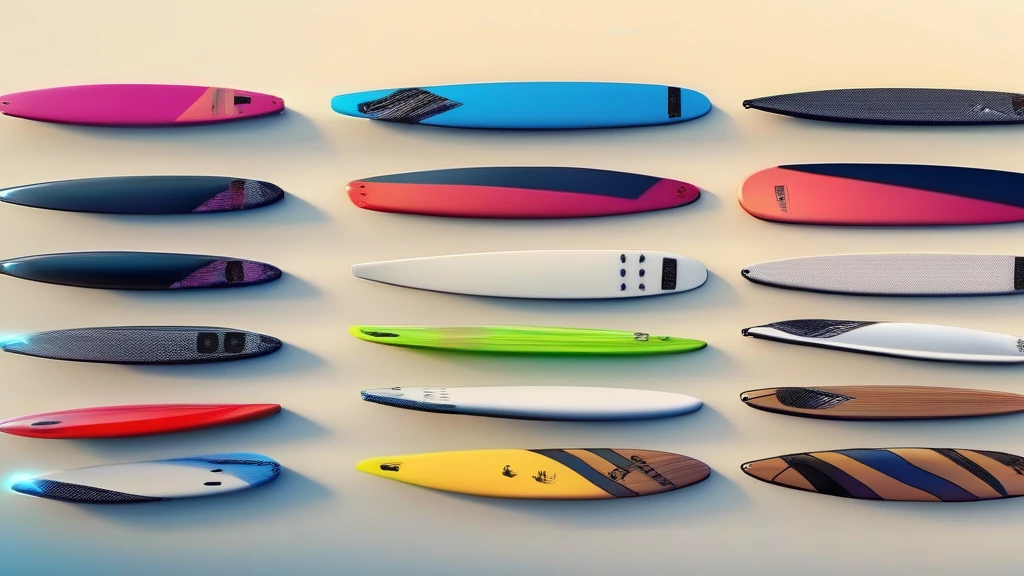
When it comes to shortboard surfboards, material choice plays a critical role in balancing durability and weight—two factors that significantly influence performance, handling, and longevity. Whether you’re an intermediate surfer honing your freestyle skills or an advanced rider pushing the limits in competitive waves, understanding how different board materials perform can help you make an informed decision tailored to your surfing style and priorities.
In this article, we’ll explore the key characteristics of four common materials used in shortboard surfboards: epoxy, fiberglass, carbon fiber, and polyurethane foam. We’ll compare their durability, weight, environmental impact, and suitability for various surfing conditions to help you find the ideal board that offers the right balance of strength and agility.
Understanding Shortboard Construction Materials
Shortboards are designed for speed, quick maneuvers, and precise control on short to medium waves. To achieve this, manufacturers rely on advanced materials that keep boards lightweight without compromising durability. Let’s break down each material’s role in modern shortboard construction.
Epoxy Boards
Epoxy surfboards feature a core usually made from expanded polystyrene (EPS) foam, wrapped in layers of epoxy resin and fiberglass cloth. This combination creates a board that is lighter than traditional polyurethane boards and offers superior impact resistance.
- Durability: Epoxy boards are known for their toughness. They resist dings and cracks better than fiberglass/polyurethane boards, making them ideal for surfers who often ride rocky breaks or travel frequently.
- Weight: Generally lighter than fiberglass boards, epoxy boards enhance maneuverability and reduce fatigue during long sessions.
- Environmental Impact: Epoxy resins tend to be less toxic than polyester resins used in fiberglass boards. Additionally, many epoxy boards incorporate recyclable EPS cores, aligning with eco-friendly manufacturing trends.
- Suitability: Great for intermediate and advanced surfers looking for a durable, lightweight option that performs well in various wave conditions.
Fiberglass Boards
Fiberglass surfboards traditionally use a polyurethane (PU) foam core wrapped with fiberglass cloth and polyester resin. This has been the industry standard for decades.
- Durability: Fiberglass/polyurethane boards are moderately durable but more prone to dings and water absorption if damaged. Repairing these boards requires attention to prevent core waterlogging.
- Weight: Typically heavier than epoxy boards, which can affect speed and responsiveness but may provide a stable feel in powerful waves.
- Environmental Impact: Polyester resin is less environmentally friendly due to volatile organic compounds (VOCs) and non-recyclable materials.
- Suitability: Favored by surfers who prefer a traditional board feel with a bit more weight, often useful in larger, more powerful surf.
Carbon Fiber Boards
Carbon fiber is a high-strength, lightweight material sometimes incorporated into shortboards as reinforcement strips or layers over a foam core.
- Durability: Carbon fiber adds exceptional stiffness and impact resistance, reducing flex and increasing board longevity—especially in high-stress areas like the tail and rails.
- Weight: Carbon fiber is extremely lightweight, often making boards even lighter than epoxy-only models without sacrificing strength.
- Environmental Impact: Production of carbon fiber is energy-intensive and less eco-friendly; however, using minimal carbon fiber reinforcements can balance performance and sustainability.
- Suitability: Preferred by advanced and competitive surfers who demand maximum responsiveness, speed, and durability for high-performance maneuvers.
Polyurethane Foam Boards
PU foam is the traditional core material for fiberglass surfboards but can also be found in some eco-conscious designs paired with alternative resins.
- Durability: PU foam cores are softer and more prone to damage from impacts and water penetration if the outer fiberglass layer is compromised.
- Weight: Heavier than EPS cores used in epoxy boards, contributing to a slightly slower response.
- Environmental Impact: PU foam is generally petroleum-based and less sustainable; however, some manufacturers are exploring bio-based PU alternatives.
- Suitability: Suitable for surfers who prefer the classic board feel and ride style, often in controlled wave environments where durability is less of a concern.
Balancing Durability and Weight for Performance
Why Weight Matters
In shortboarding, a lighter board facilitates quicker turns, faster paddling, and reduced fatigue. Lightweight boards allow surfers to execute sharp maneuvers and respond rapidly to wave changes. However, extremely light boards can sometimes sacrifice structural integrity, leading to more frequent repairs.
Why Durability Counts
Durability ensures your board withstands everyday wear—from impacts with reef, rocks, or other surfers to the rigors of travel. Durable boards reduce maintenance time and cost, allowing you to focus on performance without worrying about dings or cracks that can degrade ride quality.
Practical Considerations for Choosing the Right Material
Skill Level and Usage
- Intermediate Surfers: Often benefit from epoxy shortboards due to their lighter weight and robust nature, which can help in mastering turns and tricks while minimizing damage from mishaps.
- Advanced and Competitive Surfers: May lean toward carbon fiber-reinforced epoxy boards for the ultimate combination of stiffness, weight savings, and durability needed for aggressive, high-speed surfing.
- Casual or Recreational Surfers: Fiberglass/PU boards offer a traditional feel and stability but require more careful handling and maintenance.
Wave Conditions
- Small to Medium Waves: Lightweight epoxy and carbon fiber boards excel in responsiveness, helping surfers generate speed and perform technical maneuvers.
- Powerful or Larger Waves: Slightly heavier fiberglass/PU boards can provide additional stability and control, though carbon fiber reinforcements on epoxy boards can offer a strong alternative.
Environmental Impact
If sustainability is a priority, epoxy boards with EPS cores are generally a better choice. Look for manufacturers using bio-based resins, recyclable materials, and eco-friendly coatings to minimize your environmental footprint.
Maintenance Tips for Longevity
Regardless of material, proper care extends your board’s life:
- Rinse with Fresh Water: After every session, rinse your board to remove salt, sand, and debris.
- Store Properly: Keep boards away from direct sunlight and extreme heat to avoid delamination or foam degradation.
- Repair Promptly: Fix dings or cracks as soon as possible to prevent water intrusion.
- Wax Regularly: Apply surf wax suited to water temperature to maintain grip and safety.
Conclusion
Choosing the right shortboard surfboard material depends on your individual needs, surfing style, and environmental values. Epoxy boards offer a superb balance of lightness and durability, ideal for many surfers navigating varied wave conditions. Fiberglass boards deliver a traditional feel with slightly more weight, suitable for those valuing stability. Carbon fiber-enhanced boards push the limits of performance with exceptional strength and minimal weight, perfect for advanced riders. Polyurethane foam remains a classic choice but requires extra care and attention.
By understanding these materials’ characteristics, you can select a board that not only enhances your surfing experience but also aligns with your commitment to sustainability and long-term value. Whether carving tight turns or catching the perfect wave, the right material will make all the difference in your shortboarding journey.