
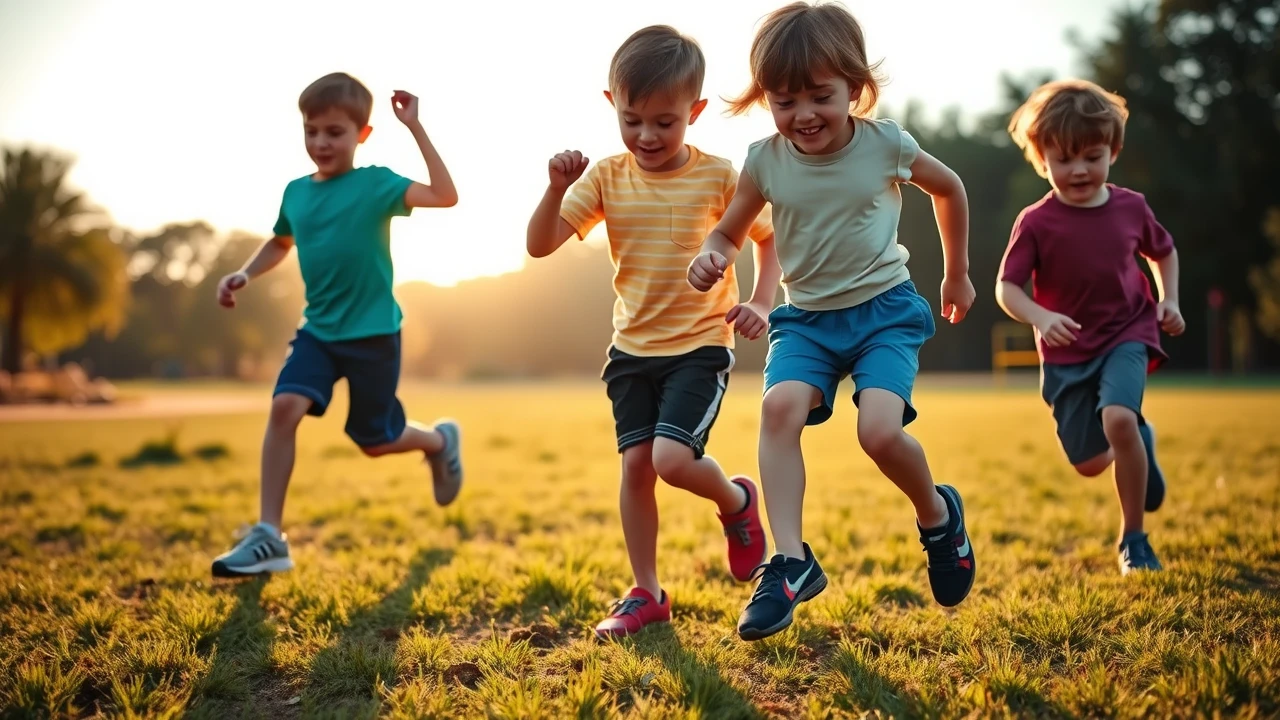
When it comes to dressing active kids, comfort and durability top the list of priorities for parents and caregivers. Shorts are a staple in children’s wardrobes, especially during warmer months or for energetic play sessions. However, not all shorts are created equal. Choosing the right pair involves balancing fabric quality, fit, and style to support kids’ active lifestyles without compromising on comfort or longevity. This guide will walk you through key considerations and practical tips to help you select the best shorts for active children.
Understanding the Needs of Active Kids
Active kids spend a significant amount of time running, jumping, climbing, and exploring. Their clothing needs to keep up with these dynamic movements while withstanding wear and tear. Shorts for children should therefore:
- Allow freedom of movement: Kids need shorts that don’t restrict their play. Look for flexible materials and thoughtful cuts.
- Be durable: Clothing should resist frequent washing and rough use without losing shape or color.
- Offer breathability: To keep kids comfortable, especially in warm weather, fabrics must allow air circulation and wick away sweat.
- Appeal visually: Bright colors and fun styles motivate kids to enjoy wearing their shorts.
Key Fabrics for Kids’ Shorts: Pros and Cons
Choosing the right fabric is central to finding shorts that combine durability and comfort. Here’s a breakdown of popular fabric options:
Cotton Shorts: Soft, Breathable, and Kid-Friendly
Cotton is a natural fiber prized for its softness and breathability. Cotton shorts are gentle on sensitive skin and excellent for everyday wear and casual play.
- Benefits: Highly breathable, comfortable, moisture-absorbent, easy to wash.
- Considerations: Pure cotton may wrinkle or wear out faster under heavy use; blends often improve durability.
Denim Shorts: Rugged and Timeless
Denim is synonymous with durability and style. Denim shorts are ideal for kids who engage in outdoor adventures and need clothing that can withstand scrapes and rough surfaces.
- Benefits: Tough fabric, long-lasting, classic look.
- Considerations: Less flexible than knit fabrics, may feel heavier or less breathable on hot days.
Elastane Blends: Stretch and Flexibility for Active Play
Fabrics blended with elastane (also known as spandex or Lycra) provide stretch and recovery, allowing shorts to move with the child.
- Benefits: Enhanced flexibility, shape retention, supports unrestricted movement.
- Considerations: Pure synthetic blends may trap heat; look for blends with cotton or other natural fibers.
Acrylic and Performance Blends: Moisture Management and Quick-Drying
Some shorts incorporate acrylic or performance fibers engineered to wick moisture away from the skin and dry quickly—perfect for sports or water play.
- Benefits: Keeps kids dry and comfortable during intense activity, reduces chafing.
- Considerations: May feel less soft than cotton; best suited for athletic use.
Features to Look for When Selecting Kids’ Shorts
Beyond fabric, several design features can enhance the suitability of shorts for active children:
Waistbands Designed for Comfort and Fit
Elastic waistbands with adjustable features like drawstrings or velcro allow for easy dressing and a secure fit that adapts as kids grow. Avoid stiff or tight waistbands that can cause discomfort.
Reinforced Seams and Stitching
Look for reinforced stitching in high-stress areas such as pockets and crotch seams. Double or triple stitching improves durability and reduces the chance of tears.
Length and Cut for Mobility
Shorts that hit above the knee typically offer better mobility and prevent tripping. Consider loose or slightly relaxed fits to encourage freedom of movement.
Pockets for Practicality
Functional pockets can be a plus for kids who like to carry small treasures or snacks. However, deep or bulky pockets might be uncomfortable during active play.
Vibrant Colors and Patterns
Kids are drawn to bright hues and fun prints. Choosing shorts in lively colors or featuring favorite motifs can make getting dressed more enjoyable.
Tips for Maintaining Shorts and Extending Their Lifespan
Proper care ensures that kids’ shorts remain comfortable and durable over time:
- Follow washing instructions carefully: Use gentle cycles and avoid harsh detergents that degrade fabric fibers.
- Wash similar colors together: This prevents color bleeding and preserves vibrancy.
- Avoid excessive heat drying: High dryer temperatures can shrink or weaken fabrics; air drying is often preferable.
- Inspect regularly for wear: Catching small tears or loose threads early allows for simple repairs.
- Rotate frequently: Having several pairs in rotation reduces overuse of any single pair.
Matching Shorts to Activities: Practical Examples
- Playground and outdoor adventures: Denim or cotton-elastane blends provide ruggedness with enough stretch for climbing and running.
- Sports and gym classes: Performance shorts with moisture-wicking and quick-drying properties keep kids comfortable during intense movement.
- Casual outings and school: Soft cotton shorts in classic or fun designs balance comfort and style for everyday wear.
- Beach or water play: Lightweight, quick-drying shorts with flexible fits are ideal.
Conclusion
Selecting shorts for active kids requires attention to material, fit, and functionality. Prioritizing breathable fabrics like cotton blends, durable options such as denim, or flexible elastane mixes will ensure comfort and resilience. Features like adjustable waistbands, reinforced seams, and appropriate lengths further enhance usability. By understanding the unique needs of active children and the benefits of various fabrics and designs, parents can make informed choices that support playful, comfortable, and stylish experiences — making every adventure fun and worry-free.