
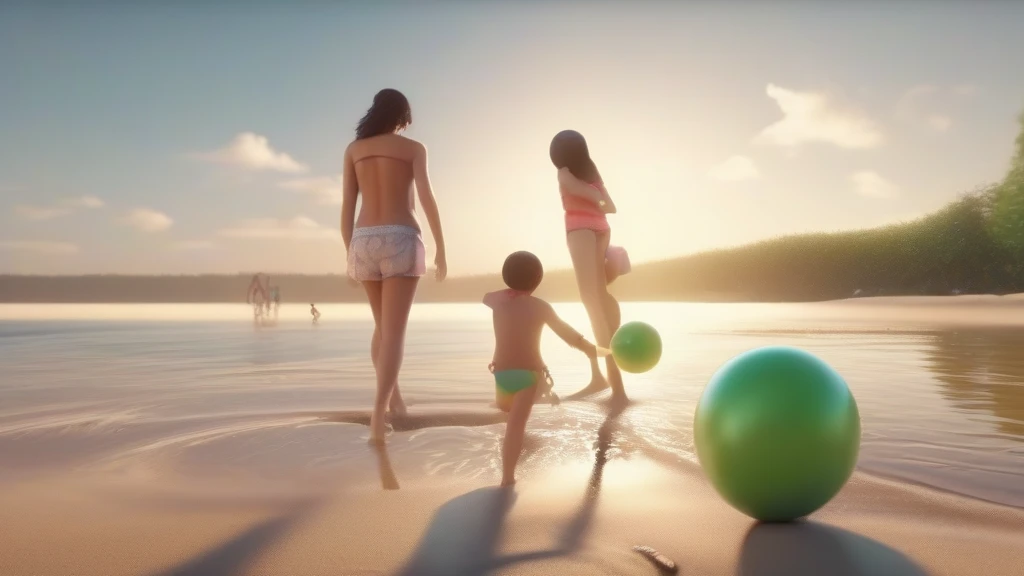
Spending quality time outdoors at the beach or pool is a cherished activity for families and friends alike. Among the many toys that enhance this experience, beach balls stand out as classic, versatile, and fun companions. However, with increasing awareness about environmental impact, many consumers now seek eco-conscious options that align with their values. This guide explores how to choose sustainable beach balls that offer hours of fun while minimizing harm to the planet.
Why Choose Sustainable Beach Balls?
Traditional beach balls are often made from PVC or other plastics that pose environmental concerns due to their production processes and end-of-life disposal issues. Opting for eco-friendly beach balls helps reduce plastic waste, lowers carbon footprints, and supports manufacturers committed to greener practices.
Beyond environmental benefits, sustainable beach balls frequently incorporate durable, non-toxic materials that are safer for children and can withstand repeated use under sun and water exposure. Choosing such products means investing in quality and responsibility.
Key Considerations When Selecting Eco-Friendly Beach Balls
1. Material Matters: Look for Eco-Friendly Alternatives
The first step toward sustainability is understanding the materials used:
-
Biodegradable or Bio-Based Plastics: Some beach balls are made from bio-plastics derived from renewable resources like cornstarch or sugarcane. These materials break down more easily than conventional plastics.
-
Recycled Materials: Beach balls crafted from recycled PVC or other recycled plastics reduce the demand for virgin materials and help close the recycling loop.
-
Natural or Alternative Fabrics: Some models incorporate natural fibers or coated fabrics that are less polluting and more durable.
When shopping, check product descriptions for mentions of eco-certifications or material sourcing transparency. Avoid beach balls containing phthalates or other harmful plasticizers, as these can be toxic to both users and the environment.
2. Durability and Longevity: A Sustainable Choice
A sustainable beach ball should last through many seasons of play. Features contributing to durability include:
-
Tear- and Impact-Resistance: Reinforced seams and thicker material help prevent punctures and leaks.
-
UV Resistance: Sunlight can degrade plastics over time. UV-resistant coatings extend the life of the ball, reducing waste.
-
Child-Safe Coatings: Non-toxic, hypoallergenic coatings protect users while ensuring the product remains safe even if children chew or handle the ball extensively.
Durability means fewer replacements, less landfill waste, and better value for your family.
3. Safety Certifications and Non-Toxic Standards
Sustainability also encompasses user safety. Look for beach balls that comply with recognized safety standards such as:
-
CE EN 71: European standard for toy safety.
-
ASTM F963: U.S. toy safety standard.
-
TÜV and ISO Certifications: Indicators of rigorous quality and safety testing.
These certifications often include checks for toxic substances and mechanical safety measures, ensuring the ball is safe for kids and adults alike.
4. Design Features Supporting Eco-Friendly Use
Sustainable beach balls often incorporate thoughtful design elements that enhance usability and reduce environmental impact:
-
Dual-Valve Inflation Systems: These prevent air leaks and facilitate quick inflation and deflation, reducing wear.
-
Compatibility with Manual Pumps: Using manual pumps instead of electric ones saves energy.
-
Repair Kits Included: Repair patches encourage fixing punctures instead of discarding damaged balls.
-
Lightweight and Portable: Easier transport reduces the need for additional packaging or bulky storage solutions.
-
Multi-Use and Glow-in-the-Dark Options: Balls that can be used in varied settings, including nighttime, promote extended playtime and value.
5. Packaging and Brand Commitment
Eco-conscious buyers should also consider the packaging:
-
Minimal and Recyclable Packaging: Less plastic wrap and more recyclable or compostable materials reduce waste.
-
Transparency About Eco Practices: Brands that openly share their environmental policies, carbon offset programs, or community initiatives demonstrate genuine commitment.
Practical Tips for Maintaining Your Eco-Friendly Beach Ball
To maximize the lifespan of your sustainable beach ball:
-
Avoid Rough Surfaces: Use the ball on sand or grass rather than sharp rocks or concrete.
-
Rinse After Use: Saltwater and chlorine can degrade materials; rinse with fresh water and dry thoroughly.
-
Store Properly: Deflate the ball when not in use and store it in a cool, shaded place.
-
Patch Small Leaks Promptly: Use included repair kits or eco-friendly adhesives to fix minor punctures.
Fun and Eco-Conscious Beach Games to Try
Choosing an eco-friendly beach ball is just the start. Here are some enjoyable, low-impact games perfect for family gatherings:
-
Beach Volleyball Toss: Use the ball for casual volleyball games that encourage physical activity.
-
Relay Races: Incorporate the ball into running or swimming relay games.
-
Glow Ball Night Play: If your ball has glow-in-the-dark features, organize evening games that delight all ages.
-
Water Balloon Toss Alternative: Use the beach ball as a reusable alternative to water balloons, reducing single-use waste.
Conclusion
Selecting a sustainable beach ball for your family outings blends outdoor fun with environmental responsibility. By prioritizing eco-friendly materials, durability, safety certifications, and thoughtful design features, you can ensure your beach toy choices support a healthier planet while providing endless entertainment. With proper care and maintenance, these beach balls can become treasured staples of your family’s beach and pool adventures for years to come.