
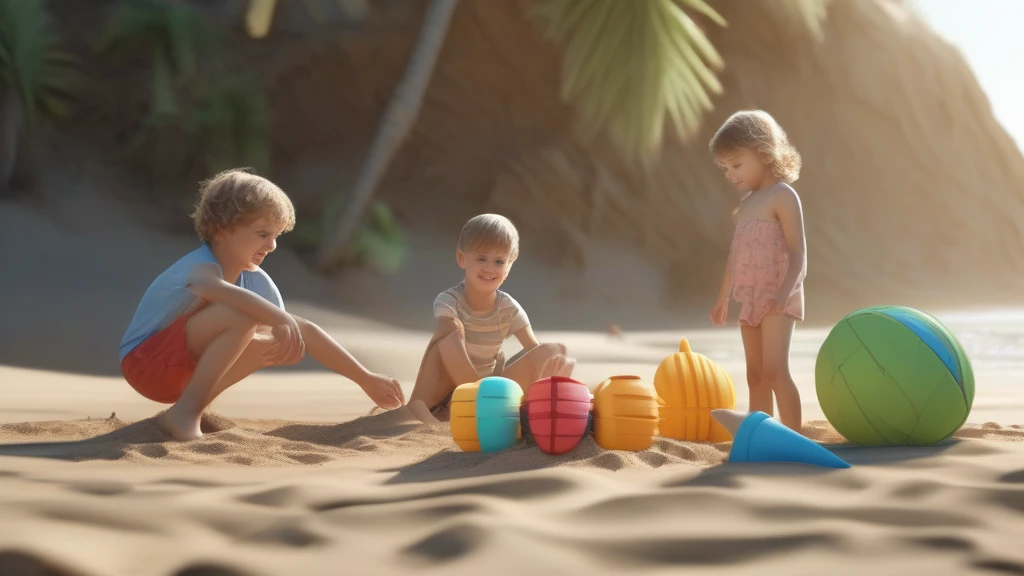
Spending time outdoors with family and friends is a cherished way to unwind, especially at the beach, backyard, or campsite. Beach and sand toys that encourage active play and social interaction—like pétanque sets, ring tosses, and disc games—have long been favorites for all ages. In recent years, the focus has shifted toward eco-friendly options that combine fun with environmental responsibility. This article explores the sustainable materials commonly used in beach toys, their benefits, and how choosing these products can contribute to a healthier planet while ensuring hours of engaging outdoor entertainment.
Why Choose Eco-Friendly Beach Toys?
Traditional outdoor toys are often made from plastics and metals that may not be sustainably sourced or recyclable, contributing to pollution and waste. Eco-friendly beach toys prioritize materials and manufacturing processes that minimize environmental impact. Selecting toys made from sustainable components supports resource conservation, reduces landfill waste, and often means safer, non-toxic products for children.
Beyond environmental benefits, eco-friendly toys are typically designed with durability and longevity in mind—meaning they withstand weather, sand, and rough play for years, reducing the need for frequent replacements.
Common Sustainable Materials in Beach & Sand Toys
1. Recycled and Biodegradable Plastics
Many eco-conscious manufacturers use recycled plastics, diverting waste from landfills and oceans. These plastics are often processed into impact-resistant resin or eco-friendly polymers that maintain strength and weather resistance without harmful additives.
Biodegradable plastics—made from plant-based materials like cornstarch or sugarcane—offer another alternative. Though they break down more quickly in the environment, they still provide the durability needed for outdoor play.
2. Natural Wood and Bamboo
Wood and bamboo are renewable resources that biodegrade naturally. Bamboo, in particular, grows rapidly and requires minimal pesticides, making it an excellent sustainable choice. These materials are often used for game pieces, carrying cases, and storage boxes, giving a natural aesthetic and sturdy feel.
However, wood toys should be treated with non-toxic finishes to ensure durability and safety, especially for children.
3. Aluminum and Stainless Steel
Metal components made from recyclable materials like aluminum and stainless steel are common in pétanque and boules sets. These metals are highly durable, rust-resistant, and can be recycled indefinitely without loss of quality.
Choosing metal toys made from recycled content reduces mining impacts, and their longevity means fewer replacements over time.
4. Organic Fabrics and Natural Fibers
For soft components like carrying bags, game mats, or toss rings covered in fabric, organic cotton, hemp, or jute offer sustainable alternatives to synthetic textiles. These materials are biodegradable and often grown without harmful pesticides.
5. Non-Toxic, Child-Safe Finishes and Dyes
Sustainable toys also emphasize safety by using non-toxic paints, dyes, and finishes. This is especially important for children’s toys, as it reduces exposure to harmful chemicals.
Benefits of Eco-Friendly Beach Toys
Environmental Impact Reduction
Eco-friendly materials greatly reduce plastic pollution and carbon footprints associated with toy manufacturing. By supporting sustainable products, consumers encourage manufacturers to adopt greener practices industry-wide.
Durability and Longevity
Sustainable materials like metal alloys and treated wood are designed to withstand outdoor elements—sun, sand, moisture, and rough handling—extending the life of the toys. This durability means less waste and better value.
Safety and Health
Non-toxic, eco-conscious toys minimize risks of allergic reactions or chemical exposure for children. They often comply with stringent safety certifications ensuring safe play for all ages.
Enhanced Play Experience
Many eco-friendly toys feature thoughtful design elements such as ergonomic grips, textured surfaces for better control, and customizable options like engraving or adjustable sizes. These features promote skill development and enjoyable play for both novices and serious players.
Educational Value
Choosing sustainable toys offers a natural opportunity to educate children and families about environmental stewardship, fostering awareness and responsibility through play.
How to Identify Truly Sustainable Beach Toys
- Material Transparency: Look for clear information about materials used—recycled content, biodegradable plastics, sustainably harvested wood, or organic fabrics.
- Certifications: Seek products with recognized eco-labels or safety certifications (such as CE, ASTM, or TÜV) that verify sustainable and child-safe practices.
- Recyclability: Toys designed to be recyclable at the end of their lifecycle reduce environmental burden.
- Minimal Packaging: Eco-friendly toys often come with minimal, recyclable packaging to avoid unnecessary waste.
- Durability Claims: Check for features like weatherproof, rust-resistant, and abrasion-resistant construction that ensure longer usability.
Caring for Eco-Friendly Beach Toys
Proper maintenance helps maximize the lifespan of sustainable toys:
- Cleaning: Rinse toys with fresh water after use in saltwater or sand, and dry thoroughly to prevent mold or corrosion.
- Storage: Store toys in breathable bags or cases away from direct sunlight to avoid material degradation.
- Repair: For wooden or fabric components, minor repairs with natural finishes or sewing can extend usability.
- Recycling: When toys reach the end of their life, recycle components where possible or compost biodegradable parts responsibly.
Conclusion
Eco-friendly beach toys represent the perfect blend of outdoor fun and environmental responsibility. By selecting toys made from sustainable materials such as recycled plastics, natural wood, and recyclable metals, families can enjoy durable, safe, and engaging games at the beach or backyard while supporting a healthier planet. Beyond their green credentials, these toys often incorporate design innovations that enhance playability and skill development, making them a smart choice for casual players and competitive enthusiasts alike.
When shopping for your next set of beach or sand toys, consider sustainability alongside traditional features like portability, safety, and durability. In doing so, you'll not only bring joy to your outdoor gatherings but also contribute positively to the environment for generations to come.