
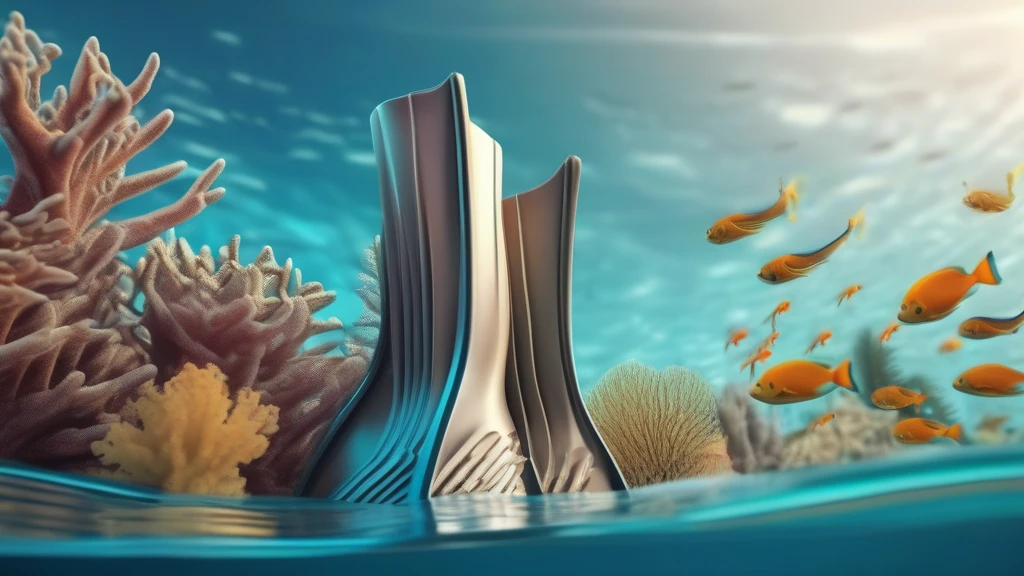
Diving fins are essential gear for anyone exploring underwater worlds, providing the propulsion needed to glide efficiently through the water. Yet, beyond performance and comfort, there is a growing emphasis on sustainability within the diving community. Eco-friendly diving fins crafted from sustainable materials are becoming increasingly popular, reflecting a broader commitment to marine conservation. This article explores how sustainable materials are shaping the design of diving fins and the positive impact they have on protecting our oceans.
Understanding the Importance of Eco-Friendly Diving Gear
The ocean faces numerous environmental challenges, including pollution, habitat destruction, and climate change. As divers and water sports enthusiasts spend significant time in marine environments, their gear choices can either contribute to or help mitigate these issues. Traditional diving fins often involve plastics and synthetic materials derived from non-renewable resources, which can have detrimental effects when discarded improperly.
By choosing eco-friendly diving fins made from sustainable materials, divers not only reduce their ecological footprint but also support industries committed to environmentally responsible manufacturing. These choices help minimize pollution, support marine biodiversity, and promote a culture of conservation within the underwater sports community.
Sustainable Materials Used in Diving Fins
Several innovative materials are now used in the production of eco-friendly diving fins, balancing performance with environmental responsibility:
1. Recycled Thermoplastics and Rubber
Recycled thermoplastic elastomers (TPE) and rubber are increasingly popular in fin foot pockets and blades. These materials reuse plastics from post-consumer waste, reducing landfill contributions and the demand for virgin plastics. They maintain the durability, flexibility, and comfort required for fins, while lowering the carbon footprint of production.
2. Bio-Based Polymers
Bio-based polymers derived from renewable resources like castor oil, corn starch, or cellulose form the basis of some fin components. These materials break down more readily in natural environments and reduce reliance on fossil fuels. Their application in fin blades and foot pockets provides a sustainable alternative without compromising strength or wear resistance.
3. Natural Fibers and Composites
Some high-performance fins incorporate natural fibers such as flax, hemp, or bamboo within composite blade materials. These fibers offer excellent strength-to-weight ratios and enhance blade flexibility. When combined with bio-resins, they result in lightweight, durable fins with a significantly reduced environmental impact compared to carbon fiber or fiberglass alternatives.
4. Silicone and Non-Toxic Elastomers
Silicone, known for its hypoallergenic and non-toxic properties, is used in foot pockets and straps. It is a long-lasting material that resists degradation from UV rays and saltwater, extending the lifespan of fins and reducing waste over time. Additionally, silicone’s recyclability and lower environmental toxicity make it a preferred choice for eco-conscious divers.
Design Innovations Driving Sustainability
Eco-friendly diving fins often incorporate design features that enhance both environmental and user benefits:
Modular and Replaceable Parts
Some fins are designed with modular components—such as detachable blades and foot pockets—that can be replaced individually. This approach reduces the need to discard the entire fin when one part wears out, thereby minimizing waste.
Energy-Efficient Blade Technologies
Innovative blade shapes like split blades and vented designs reduce drag and optimize propulsion efficiency. Efficient fins require less kicking effort, which conserves diver energy and indirectly reduces fatigue-related gear wear, promoting longer-lasting equipment.
Compact and Travel-Friendly Designs
Travel fins made from sustainable materials often emphasize compactness and foldability. Lightweight and space-saving, these designs reduce transportation emissions by allowing divers to pack efficiently and potentially avoid excess luggage fees.
The Impact of Sustainable Diving Fins on Marine Conservation
Minimizing Microplastic Pollution
Traditional plastic fins can degrade over time, releasing microplastics into the ocean. Sustainable materials such as bio-polymers and recycled elastomers help limit this pollution by breaking down more safely or being less prone to fragmentation.
Promoting Responsible Manufacturing
Eco-friendly fins are often produced by companies committed to reducing water usage, energy consumption, and chemical pollution during manufacturing. Supporting such products encourages wider adoption of green production methods across the industry.
Encouraging Ethical Consumer Choices
When divers choose sustainable fins, they send a market signal prioritizing environmental health. This drives innovation and investment in green materials, creating a positive feedback loop that benefits ocean ecosystems.
Tips for Choosing Eco-Friendly Diving Fins
Selecting sustainable fins involves balancing environmental considerations with performance and comfort:
- Look for Material Transparency: Seek products that clearly state the use of recycled, bio-based, or natural materials.
- Consider Durability: Longer-lasting fins reduce waste, so choose designs known for abrasion resistance and UV protection.
- Assess Fit and Adjustability: Comfort is crucial for underwater safety and enjoyment; adjustable heel straps and ergonomic foot pockets made from eco-friendly elastomers offer both.
- Evaluate Blade Design: Match blade type to your diving style—split or vented blades often provide efficient propulsion with less effort.
- Check Certifications: Certifications such as ISO, CE, or TÜV may indicate adherence to environmental and quality standards.
Caring for Your Eco-Friendly Fins to Extend Their Lifespan
Proper maintenance enhances the sustainability of your fins by reducing the frequency of replacement:
- Rinse After Use: Always rinse fins with fresh water after saltwater exposure to prevent material degradation.
- Store Properly: Avoid prolonged exposure to direct sunlight or extreme heat, which can weaken materials.
- Inspect Regularly: Check for wear on straps, buckles, and blade edges, repairing or replacing components as needed.
- Use Protective Bags: Transport fins in padded travel bags to minimize damage during transit.
Conclusion
Eco-friendly diving fins represent a meaningful step toward sustainable underwater recreation. By embracing materials such as recycled plastics, bio-based polymers, natural fiber composites, and silicone, these fins offer divers high performance without compromising the health of marine ecosystems. Through thoughtful design and responsible manufacturing, sustainable fins not only enhance your diving experience but also contribute to preserving the oceans for generations to come.
Choosing eco-friendly diving fins is more than a gear decision—it’s an investment in marine conservation and a commitment to enjoying the underwater world responsibly. Whether you are a beginner snorkeler or a seasoned technical diver, exploring sustainable options can help you align your passion for the sea with environmental stewardship.