
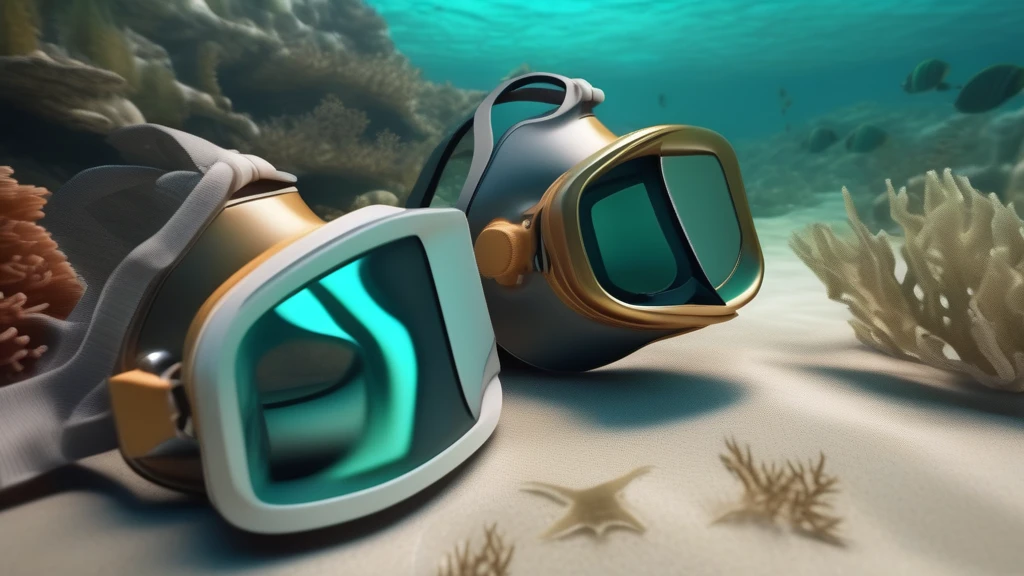
Diving masks are an essential piece of gear for anyone exploring the underwater world, whether for snorkeling, freediving, scuba diving, or underwater photography. As environmental awareness grows, many divers and snorkelers seek equipment that minimizes ecological impact without compromising performance. Eco-friendly diving masks combine sustainable materials and responsible manufacturing practices to meet the demands of conscious consumers. This article explores what makes a diving mask eco-friendly, the benefits of sustainable materials, and highlights key considerations when choosing these masks for your next aquatic adventure.
Understanding Eco-Friendly Diving Masks
What Defines an Eco-Friendly Diving Mask?
An eco-friendly diving mask is designed with environmental sustainability in mind. This can include:
- Materials sourced from renewable or recycled resources rather than virgin plastics.
- Manufacturing processes that reduce carbon footprint and waste.
- Durability and repairability to extend product life and reduce disposal frequency.
- Use of non-toxic and hypoallergenic components that are safer for both wearers and ecosystems.
- Packaging made from recyclable or biodegradable materials.
These attributes help reduce the overall environmental impact from production to end-of-life, aligning with eco-conscious consumers’ values.
Why Choose Sustainable Masks?
The diving and snorkeling community depends on healthy oceans and marine ecosystems. Traditional diving masks often use synthetic rubbers, plastics, and chemicals derived from fossil fuels. By opting for eco-friendly alternatives, users contribute to reducing pollution, waste, and resource depletion. Additionally, sustainable masks often emphasize quality and durability, which can provide better performance and longer-lasting comfort.
Sustainable Materials in Diving Masks
Silicone Skirts and Straps
Most modern diving masks use silicone for skirts and straps because it offers a superior, hypoallergenic seal and flexibility. Eco-friendly masks take this a step further by using silicone compounds with lower environmental footprints or incorporating recycled silicone. Silicone’s durability means fewer replacements, reducing waste over time.
Recycled and Bio-Based Plastics
Frames and buckles are traditionally made from plastics such as polycarbonate or ABS. In sustainable masks, manufacturers are increasingly using:
- Recycled plastics reclaimed from ocean waste or industrial scrap.
- Bio-based plastics derived from renewable sources like corn starch or castor oil.
These materials reduce dependence on fossil fuels and help divert plastic waste from landfills and oceans.
Tempered Glass and Lens Coatings
Lenses in diving masks are usually tempered glass for safety and clarity. Eco-conscious brands may optimize coatings to extend lens life (anti-scratch, anti-fog) and avoid harmful chemicals. Some may also use recyclable glass or design lenses for easy replacement to reduce waste.
Packaging and Accessories
Sustainable masks often come in minimalistic packaging made from recycled cardboard or other biodegradable materials. Some brands also include reusable storage cases made from recycled fabric or silicone.
Features to Look for in an Eco-Friendly Diving Mask
Comfort and Fit
An eco-friendly mask should not sacrifice comfort or fit. Look for:
- Soft silicone skirts that mold comfortably to your face shape.
- Adjustable, quick-release buckles for a secure, leak-free seal.
- Low or medium internal volume for easier clearing and better buoyancy control.
Visibility and Lens Options
Depending on your activity, lens features matter:
- Single-lens masks provide a wide, unobstructed field of view, ideal for underwater photography.
- Dual-lens masks offer a closer fit to the face, favored by freedivers and spearfishers.
- Lens coatings such as anti-fog, polarized, or UV protection improve visibility and safety.
Durability and Repairability
Eco-friendly masks emphasize long-term use. Features to consider:
- Replaceable straps and buckles.
- Scratch-resistant lenses.
- Robust frame designs that withstand impacts and sun exposure.
Safety Certifications
Reliable masks meet international standards such as ISO, CE, or TÜV. These certifications ensure safety, quality, and environmental compliance, offering peace of mind.
Tips for Maintaining Your Eco-Friendly Diving Mask
Proper care extends the life of any mask, enhancing sustainability by reducing replacements.
Cleaning and Storage
- Rinse with fresh water after each use to remove salt, sand, and debris.
- Use mild, eco-friendly soaps or mask cleaners to prevent chemical buildup.
- Store in a cool, dry place away from direct sunlight to avoid silicone degradation.
Anti-Fog Measures
- Use natural anti-fog solutions or eco-safe sprays.
- Avoid touching the inside of the lens with fingers to prevent oils that cause fogging.
- Consider masks with permanent anti-fog coatings for convenience.
Regular Inspections
Check straps, buckles, and skirts for signs of wear or damage and replace parts promptly to maintain a secure fit and prevent leaks.
Brands and Innovations Leading the Way
Several diving mask manufacturers are pioneering sustainability in materials and processes. While avoiding specific brand endorsements here, look for companies that:
- Publicly commit to reducing plastic waste and carbon emissions.
- Use recycled or bio-based materials in masks and packaging.
- Offer product repair services or replacement parts.
- Collaborate with ocean conservation initiatives or donate proceeds to marine protection.
Conclusion
Eco-friendly diving masks represent a meaningful step towards minimizing your environmental impact while enjoying underwater exploration. By prioritizing sustainable materials, durability, and responsible manufacturing, these masks provide reliable performance without compromising the health of our oceans. When selecting your next diving or snorkeling mask, consider the materials, features, and certifications that align with your values and underwater needs. With proper care and mindful choices, you can dive deeper into adventure knowing you’re supporting a more sustainable future for marine environments.