
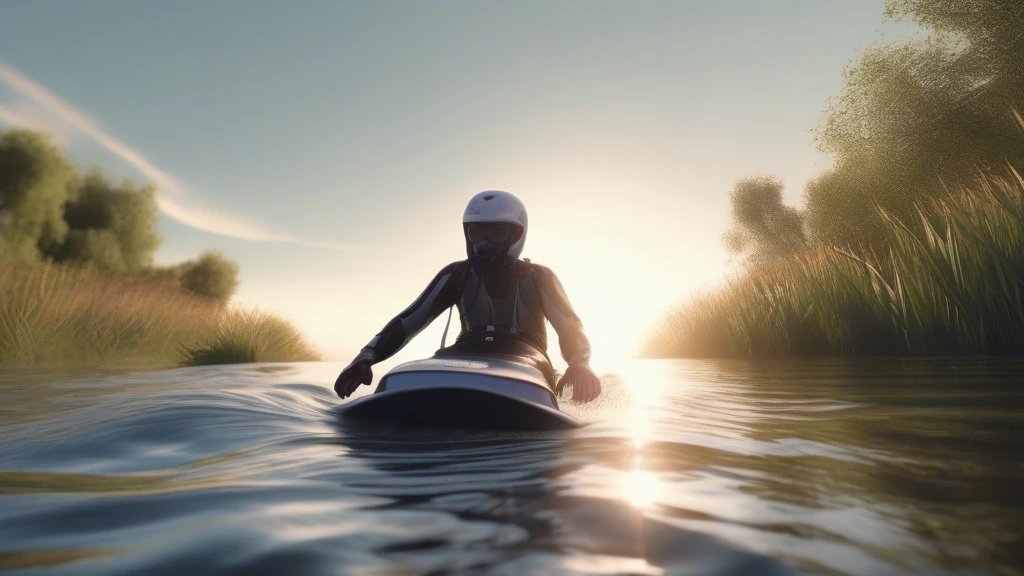
Kneeboarding, a thrilling and accessible water sport, continues to gain popularity among outdoor enthusiasts of all ages and skill levels. Whether you're a beginner seeking a stable ride or an advanced athlete chasing speed and tricks, choosing the right kneeboard is essential for an enjoyable experience. Increasingly, water sports lovers are also considering the environmental impact of their gear, prompting a surge in eco-friendly kneeboards that combine performance with sustainability.
In this article, we’ll explore what makes a kneeboard eco-friendly, key features to consider based on your skill level and intended use, and practical tips for maintenance and care. By understanding these factors, you can make informed decisions that support both your passion for kneeboarding and the health of our waterways.
Understanding Eco-Friendly Kneeboards
Sustainability in water sports equipment is no longer a niche concern but a growing priority. Eco-friendly kneeboards focus on reducing environmental impact throughout their lifecycle—from raw material sourcing to manufacturing, usage, and disposal.
Sustainable Materials and Manufacturing
Traditional kneeboards are often made from fiberglass, polyurethane, and composites that can be energy-intensive to produce and challenging to recycle. Eco-friendly alternatives include:
- Recycled and recyclable components: Boards incorporating recycled plastics, bio-based resins, or sustainably sourced wood offer a reduced carbon footprint.
- Low-emission manufacturing: Some manufacturers utilize renewable energy, water-based adhesives, and non-toxic finishes to minimize harmful emissions.
- Durability and longevity: High-quality materials like carbon fiber composites not only improve performance but also extend product life, reducing waste over time.
Certifications and Standards
Look for certifications such as TÜV, ISO, or marine safety approvals that verify quality and environmental compliance. These marks indicate adherence to strict safety and sustainability criteria, ensuring the board is built to last and safe for aquatic ecosystems.
Choosing the Right Eco-Friendly Kneeboard
Selecting a sustainable board doesn’t mean compromising on performance or comfort. Instead, it involves balancing eco-conscious features with the right design and specifications for your needs.
Consider Your Skill Level and Riding Style
- Beginners and Family Use: Opt for boards with a flat or low rocker profile for enhanced stability and easier control. A no-fin or minimal fin design can make learning smoother by improving balance. Soft EVA foam pads and adjustable straps increase comfort and safety for riders of varying sizes.
- Intermediate to Advanced Riders: Boards with continuous or higher rocker profiles provide better speed and maneuverability. Adjustable or hybrid fin setups allow for precise handling during tricks or competitive runs. Lightweight carbon fiber construction enhances responsiveness, making these boards ideal for freestyle and performance-focused kneeboarding.
Material Choices and Environmental Impact
- Fiberglass and Composite Boards: Widely used for their durability and moderate weight, some newer models incorporate recycled fibers or eco-resins.
- Carbon Fiber Boards: Premium options offer superior strength-to-weight ratios and longevity, with some manufacturers adopting greener production techniques.
- Biodegradable and Bio-Based Materials: Emerging innovations include boards partially crafted from plant-based polymers that degrade more responsibly at end-of-life.
Key Features to Prioritize in Sustainable Kneeboards
Rocker Profile
The rocker—the curvature of the board from nose to tail—affects speed, stability, and maneuverability.
- Flat or Low Rocker: Best for beginners and family fun, providing stable rides and easier balance.
- Continuous or High Rocker: Favored by competitive and trick riders for quick turns and agility on the water.
Fin Configuration
Fins influence directional control and grip.
- No-Fin Designs: Enhance stability, ideal for novices.
- Adjustable/Detachable Dual or Hybrid Fins: Offer versatility and fine-tuned control for advanced maneuvers.
Comfort and Safety Features
- EVA or High-Density Foam Pads: Provide cushioning and traction.
- Ergonomic Adjustable Straps: Ensure secure, comfortable foot placement.
- Non-Slip Surfaces: Prevent slipping during aggressive moves or wet conditions.
Maintenance, Transport, and Storage Tips for Longevity
Taking care of your eco-friendly kneeboard helps maximize its lifespan and environmental benefits.
- Rinse with Fresh Water: After use, wash off salt, sand, and debris to prevent material degradation.
- Store Properly: Keep boards in a cool, shaded area away from direct sunlight to avoid UV damage.
- Use Protective Bags: Many eco-friendly boards come with sustainable carry bags that shield against scratches and facilitate transport.
- Perform Regular Checks: Inspect straps, fins, and pads for wear. Repair kits included with family-friendly models can address minor damages promptly.
Enhancing Your Kneeboarding Experience
Beginner to Advanced Techniques
- For Beginners: Focus on balance by kneeling with even weight distribution and using gentle, steady pulls on the tow rope.
- Intermediate Riders: Experiment with edging and carving by shifting weight and adjusting your stance.
- Advanced Athletes: Utilize boards with responsive rocker and fin setups to perform tricks, jumps, and competitive racing maneuvers.
Accessories That Support Sustainability
Consider accessories made from recycled or natural materials, such as biodegradable kneepads or repair kits with eco-friendly adhesives. These small choices further reduce your water sport footprint.
Conclusion: Balancing Performance with Environmental Responsibility
Choosing an eco-friendly kneeboard is a rewarding way to enjoy water sports while respecting the environment. By understanding materials, design features, and maintenance practices, you can find a board that matches your skill level and style without compromising sustainability.
Whether you’re just starting out or pushing the limits of competitive kneeboarding, prioritizing eco-conscious gear supports cleaner waterways and a healthier planet—ensuring that future generations can also experience the joy of gliding across the water.