
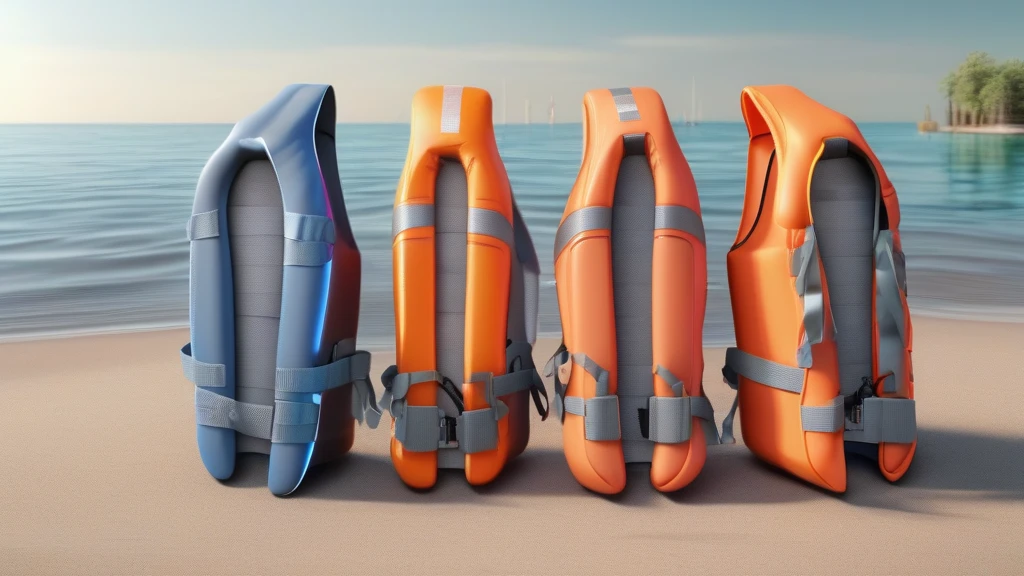
Water safety is paramount for anyone engaging in boating and water sports, and life jackets remain the cornerstone of personal flotation devices (PFDs) designed to keep users safe. As environmental awareness grows, the life jacket industry is evolving to incorporate sustainable materials and eco-conscious manufacturing practices without compromising safety or performance. This article delves into the world of eco-friendly life jackets, exploring the materials, trends, and innovations shaping the future of water safety gear.
Understanding the Importance of Sustainable Life Jackets
Traditional life jackets are crafted from durable synthetics like ripstop nylon, polyester, and marine-grade vinyl, combined with closed-cell foam or inflatable bladders for buoyancy. While these materials provide strength and resistance to harsh marine conditions, their environmental footprint can be significant due to non-biodegradable components and energy-intensive manufacturing.
Eco-friendly life jackets aim to reduce this impact by using renewable, recyclable, or biodegradable materials, adopting cleaner production techniques, and extending product lifespans through durability and repairability. For recreational users and professionals alike, choosing sustainable life jackets supports ocean and freshwater health, aligning water safety with environmental stewardship.
Sustainable Materials Powering Modern Life Jackets
Recycled and Recyclable Fabrics
Many manufacturers are shifting toward recycled polyester and nylon sourced from post-consumer plastics, such as discarded fishing nets or plastic bottles. These recycled fabrics maintain the durability and UV resistance essential for marine environments while diverting plastic waste from landfills and oceans.
Additionally, some life jackets incorporate materials engineered for recyclability, enabling easier processing at the end of the product's life cycle. This circular approach helps reduce landfill accumulation and encourages responsible disposal.
Biodegradable and Plant-Based Components
Innovations have introduced biodegradable coatings and foams derived from plant-based sources like algae, soy, or castor oil. These alternatives can break down more readily in natural environments, lessening long-term pollution risks if lost or discarded.
While still emerging, biodegradable flotation foams offer comparable buoyancy to conventional materials, representing a promising step toward fully sustainable PFDs.
Low-Impact Dyes and Finishes
Eco-friendly life jackets often feature water-based or low-impact dyes that reduce harmful chemical runoff during production. Similarly, durable water-repellent (DWR) coatings are increasingly formulated without perfluorinated compounds (PFCs), which persist in ecosystems and raise health concerns.
By opting for safer finishes, manufacturers reduce toxic emissions and create safer products for both users and the environment.
Sustainable Manufacturing Practices
Beyond material choices, sustainable life jackets are produced through cleaner manufacturing processes, including:
- Energy efficiency: Factories utilizing renewable energy sources and energy-saving technologies help lower the carbon footprint of production.
- Waste reduction: Implementing lean manufacturing and recycling scrap materials reduces waste generation.
- Water conservation: Processes that minimize water use and treat wastewater prevent pollution.
- Ethical labor: Ensuring fair working conditions and community engagement supports social sustainability.
These practices complement eco-friendly materials, collectively making life jackets greener from start to finish.
Balancing Sustainability with Safety and Performance
While sustainability is vital, life jackets must meet strict safety standards such as US Coast Guard approval, ISO, CE, or TÜV certifications. Eco-friendly materials and processes are rigorously tested to ensure they provide:
- Reliable buoyancy: Whether foam-based or inflatable, flotation components deliver guaranteed support in emergencies.
- Durability: Resistance to UV rays, saltwater corrosion, and physical wear extends product life and user safety.
- Visibility: Bright, high-visibility colors and reflective tape remain essential for rescue readiness.
- Comfort: Breathable, ergonomic designs encourage prolonged wear without sacrificing security.
Sustainable life jackets successfully integrate these features, proving that green design and top-notch safety are not mutually exclusive.
Trends Shaping the Future of Eco-Friendly Life Jackets
Inflatable Life Jackets with Sustainable Innovations
Inflatable life jackets, prized for their compactness and comfort, are adopting greener materials for bladders and fabrics. Advances in biodegradable TPU (thermoplastic polyurethane) films for air bladders and recycled woven fabrics help reduce environmental impact while maintaining reliability.
Moreover, CO2 cartridge recycling programs and refillable inflators promote responsible product lifecycle management.
Modular and Repairable Designs
Designers are focusing on modular life jackets that allow users to replace worn components—such as buckles, straps, or foam inserts—rather than discarding entire units. This approach extends usability, reduces waste, and encourages mindful consumption.
Transparency and Certifications
Consumers increasingly demand transparency around material sourcing and manufacturing ethics. Certifications verifying recycled content, low emissions, and fair labor practices help users make informed, responsible choices.
Practical Tips for Choosing Eco-Friendly Life Jackets
When seeking sustainable life jackets, consider the following:
- Check material specifications: Look for recycled fabrics, plant-based foams, or biodegradable coatings.
- Verify certifications: Ensure products meet relevant safety approvals and sustainability standards.
- Assess durability: A longer-lasting life jacket reduces replacement frequency and environmental impact.
- Evaluate fit and comfort: Sustainable options should not compromise on secure, ergonomic design.
- Consider end-of-life options: Seek brands offering recycling or take-back programs.
Conclusion
Eco-friendly life jackets represent a meaningful advancement in boating and water sport apparel, merging essential safety features with a commitment to environmental responsibility. By embracing recycled and biodegradable materials, sustainable manufacturing practices, and innovative designs, the industry is charting a greener course for aquatic safety.
Whether you’re a casual paddler, professional mariner, or family enjoying water activities, choosing a sustainable life jacket is a powerful way to protect both yourself and the planet. Informed decisions about materials, certifications, and design will help ensure your next life jacket supports a safer, cleaner future on the water.