
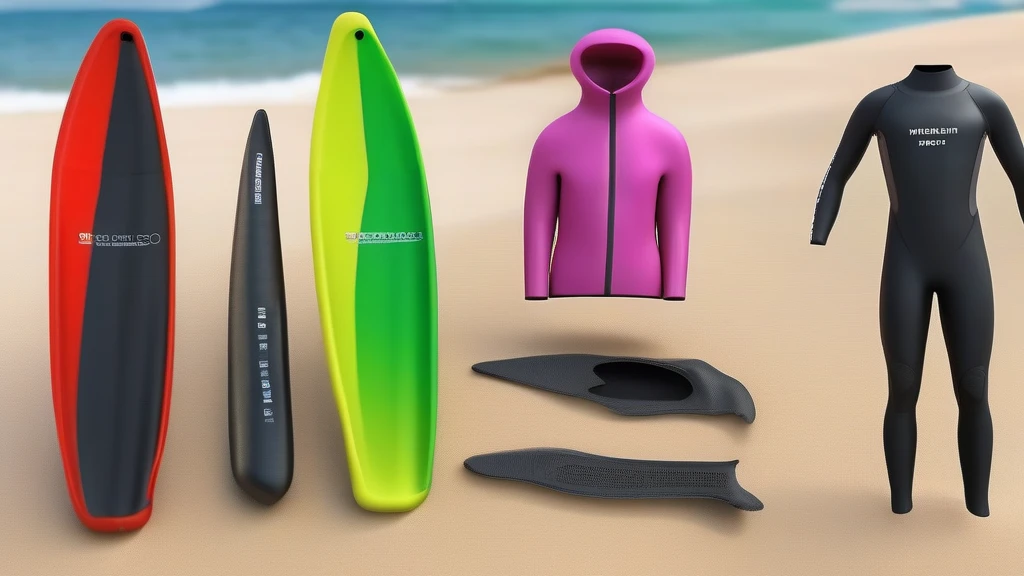
As water sports continue to grow in popularity, so does the demand for wetsuits that not only perform well but also minimize environmental impact. Eco-friendly neoprene and sustainable wetsuit materials have emerged as a significant innovation in the boating and water sports apparel industry. This article explores what eco-friendly neoprene is, why sustainable materials matter, and how choosing the right wetsuit can benefit both athletes and the planet.
Understanding Neoprene and Its Environmental Impact
Neoprene is a synthetic rubber widely used in wetsuits for its insulation, flexibility, and durability. Traditional neoprene is derived from petroleum-based chemicals, making its production energy-intensive and contributing to carbon emissions and pollution. Additionally, conventional neoprene is not biodegradable or easily recyclable, which poses long-term environmental challenges.
What Makes Neoprene Eco-Friendly?
Eco-friendly neoprene is produced with sustainability in mind, often using alternative raw materials or manufacturing processes that reduce environmental harm. Some common approaches include:
- Limestone-Based Neoprene: Instead of petroleum, this neoprene uses limestone as a primary raw material. Limestone is abundant and requires less energy to process, resulting in a lower carbon footprint.
- Recyclable Neoprene: Some manufacturers design wetsuits with neoprene that can be recycled, allowing old suits to be repurposed instead of ending up in landfills.
- Biodegradable Coatings and Linings: These enhance the wetsuit’s eco-credentials by enabling faster decomposition once the suit reaches the end of its life cycle.
- Water-Based Adhesives and Non-Toxic Dyes: These reduce chemical pollution during production.
By choosing wetsuits made from these materials, water sports enthusiasts support innovations that help preserve aquatic environments.
Key Features of Sustainable Wetsuit Materials
While eco-friendly, sustainable wetsuits maintain the high-performance standards expected by athletes and recreational users alike. Here are some common features found in these wetsuits:
Thermal Insulation and Thickness
Eco-friendly wetsuit materials provide thermal insulation ranging typically from 2mm to 7mm thickness. The appropriate thickness depends on water temperature and activity level. For example:
- 2-3mm suits: Ideal for warmer waters and high-mobility activities like surfing or paddleboarding.
- 4-5mm suits: Suitable for cooler waters or longer exposure periods, offering a balance of warmth and flexibility.
- 6-7mm suits: Designed for cold-water diving or extended sessions, providing maximum insulation.
Sustainable neoprene delivers comparable warmth to traditional neoprene but with a smaller environmental footprint.
Multi-Directional Stretch Fabrics and Ergonomic Paneling
To optimize performance, eco-friendly wetsuits often incorporate multi-directional stretch fabrics and ergonomic paneling shaped to the human body. This design allows for:
- Greater freedom of movement during paddling, swimming, or diving
- Reduced fatigue from restrictive material
- Enhanced comfort for all-day wear
These features are critical for both beginners and professionals who demand flexibility without sacrificing protection.
Reinforced Seams and Durability
Sustainable wetsuits use advanced seam construction methods such as blindstitched or taped seams, which prevent water entry and increase durability. Reinforced seams ensure the wetsuit withstands abrasion from rocks, boards, and equipment, extending the product’s usable life and reducing the need for frequent replacements.
UV Resistance, Quick-Dry, and Abrasion Resistance
Additional features often integrated into eco-friendly wetsuits include:
- UV-resistant panels to protect skin and materials from sun damage
- Quick-dry fabrics that reduce water retention, weight, and drying time
- Abrasion-resistant surfaces to enhance longevity during rugged use
These functional qualities contribute to a wetsuit’s overall sustainability by ensuring it remains effective and comfortable over time.
Why Sustainable Wetsuit Materials Matter for Water Sports Enthusiasts
Environmental Responsibility
Water sports depend on clean, healthy aquatic environments. By choosing wetsuits made with eco-friendly neoprene, users help reduce pollution, lower greenhouse gas emissions, and minimize waste. Sustainable wetsuit production often involves low-carbon manufacturing processes and environmentally responsible sourcing of materials, directly benefiting oceans, lakes, and rivers.
Enhanced Product Longevity
Sustainably produced wetsuits often come with warranties and include accessories such as repair patches and carry bags. These elements encourage proper maintenance and repair, extending the wetsuit’s lifespan. Longer-lasting gear means fewer discarded suits and less environmental impact over time.
Optimized Performance with a Conscience
Athletes and enthusiasts no longer need to compromise between performance and sustainability. Eco-friendly wetsuits offer the same high levels of thermal regulation, flexibility, and protection as traditional models. The ergonomic design and thoughtful materials ensure users can confidently engage in surfing, diving, kayaking, paddleboarding, or triathlon training.
Support for Innovation in the Industry
Choosing eco-friendly wetsuits sends a message to manufacturers about consumer priorities, encouraging further investment in sustainable materials and technologies. This market demand fosters innovation and helps shift the entire water sports apparel industry toward greener practices.
Tips for Selecting the Right Eco-Friendly Wetsuit
When researching sustainable wetsuit options, consider these factors:
- Water Temperature and Activity: Match suit thickness and style (full suit, shorty, sleeveless) to your typical conditions and sport.
- Fit and Flexibility: Look for ergonomic paneling and multi-directional stretch fabrics tailored to your body shape and movement needs.
- Sustainability Credentials: Check for information on materials used, manufacturing processes, and end-of-life recyclability.
- Durability Features: Reinforced seams, abrasion resistance, and included repair kits add value and longevity.
- Additional Safety Features: High-visibility panels, anti-slip surfaces, and emergency whistle attachments can enhance safety on the water.
Caring for Your Eco-Friendly Wetsuit
To maximize the lifespan of your sustainable wetsuit and maintain its performance:
- Rinse thoroughly with fresh water after each use to remove salt, sand, and chlorine.
- Avoid direct sunlight when drying; hang in a shaded, ventilated area.
- Store flat or on a wide hanger to prevent creases.
- Use repair patches promptly to fix minor tears.
- Follow manufacturer care instructions, especially regarding detergents and washing.
Proper maintenance reduces wear and tear, preserves thermal insulation, and supports the wetsuit’s eco-friendly purpose.
Conclusion
Sustainable wetsuit materials like eco-friendly neoprene represent a meaningful step forward for the boating and water sports community. They combine the performance features athletes need with a commitment to reducing environmental impact. By understanding the benefits of eco-friendly neoprene, considering the design and care of wetsuits, and making informed choices, water sports enthusiasts can protect both their passion and the planet’s precious aquatic ecosystems. Embracing sustainability in wetsuit apparel is not just a trend—it’s a responsible, smart way to enjoy the water for years to come.