
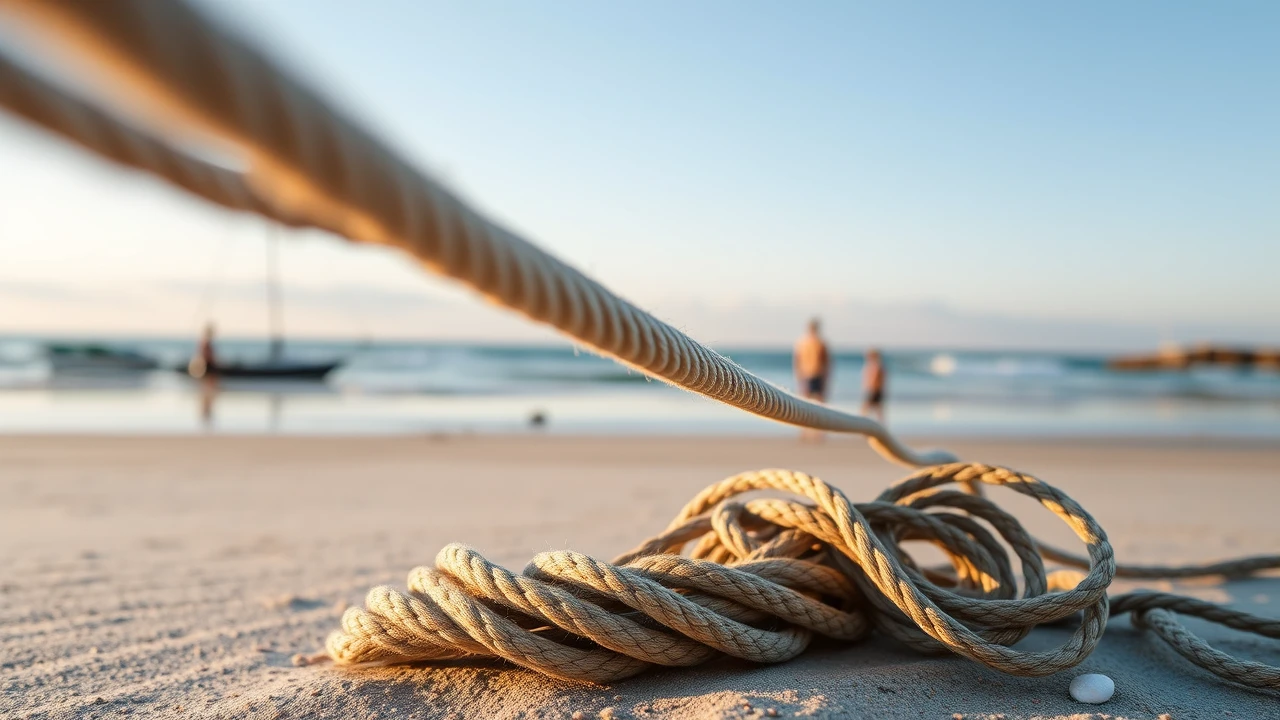
The demand for environmentally responsible products is reshaping many industries, and the ropes and hardware cable sector is no exception. In marine, water sports, rescue, and docking applications, ropes must perform reliably under harsh conditions while minimizing environmental impact. This has led to the rise of eco-friendly ropes featuring biodegradable coatings and recyclable components—innovations that are transforming how users approach safety, durability, and sustainability on the water.
In this article, we explore how these advancements are influencing the ropes market, what benefits they offer, and practical insights for choosing eco-conscious ropes that meet both performance and environmental standards.
Understanding the Role of Ropes in Marine and Water Activities
Before diving into eco-friendly features, it’s important to understand the unique demands placed on ropes used in aquatic environments:
- Durability: Ropes must resist abrasion, UV exposure, and water damage.
- Safety: Features like floating designs and quick-release mechanisms are vital.
- Material Strength: Tensile strength can range up to 2,500 lbs depending on application.
- Comfort and Handling: Ergonomic handles with EVA foam or rubber improve grip.
- Compliance: Many ropes meet certifications such as TÜV, ISO, and marine safety standards.
These requirements shape the materials chosen—commonly nylon, polyester, polypropylene, or braided polyethylene—each with distinct properties like buoyancy and abrasion resistance.
What Makes a Rope Eco-Friendly?
Eco-friendly ropes incorporate environmental considerations throughout their lifecycle, from manufacturing to disposal. The two main innovations driving this trend are biodegradable coatings and recyclable components.
Biodegradable Coatings
Traditional coatings on ropes often rely on synthetic polymers that can persist in the environment for decades if discarded improperly. Biodegradable coatings are engineered to break down naturally over time through microbial activity, reducing pollution risks in marine and terrestrial ecosystems.
Benefits include:
- Reduced Microplastic Pollution: As coatings degrade, they minimize microplastic release into waterways.
- Maintained Performance: Modern biodegradable coatings can still provide UV resistance, waterproofing, and abrasion protection.
- Eco-conscious Manufacturing: These coatings often come from renewable resources, lowering carbon footprints.
Recyclable Components
In addition to coatings, rope manufacturers increasingly design ropes with recyclable fibers and hardware:
- Recyclable Fibers: Materials like certain polyesters and nylons can be recovered and processed into new products.
- Modular Hardware: Handles, loops, and quick-release components made from recyclable plastics or metals reduce waste.
- Design for Disassembly: Ropes constructed to separate fibers from hardware facilitate recycling at end-of-life.
This approach not only diverts waste from landfills but encourages circular economy practices within the marine and water sports industries.
Advantages of Eco-Friendly Ropes for Users
Adopting ropes with biodegradable coatings and recyclable parts offers several concrete benefits:
1. Environmental Responsibility
Using ropes that minimize pollution aligns with the values of many water sports enthusiasts, boaters, and rescue professionals who depend on healthy aquatic ecosystems. It supports conservation efforts and reduces the long-term environmental footprint of recreational and professional activities.
2. High Performance Without Compromise
Eco-friendly ropes are engineered to meet or exceed traditional standards for strength, durability, and safety. For example, biodegradable coatings can provide UV and water resistance comparable to synthetic alternatives, while recyclable fibers maintain tensile strength up to 2,500 lbs.
3. Enhanced Safety Features
Many eco-conscious ropes integrate quick-release mechanisms, ergonomic handles, and floating designs—ensuring user safety is never sacrificed for sustainability. High-visibility colors and reinforced loops remain standard for critical applications like rescue and docking.
4. Regulatory Compliance and Certification
Manufacturers of eco-friendly ropes often pursue the same rigorous certifications (TÜV, ISO, CE) to guarantee product reliability. This means users can trust these ropes for demanding tasks without concerns about untested environmental claims.
Choosing the Right Eco-Friendly Rope for Your Needs
When selecting an eco-conscious rope, consider the following factors:
Activity-Specific Requirements
- Wakeboarding and Water Skiing: Ropes must offer excellent tensile strength, low stretch, and floating capability.
- Tow Ropes for Inflatable Tubes: Buoyancy and quick-release features enhance safety.
- Anchor and Docking Lines: Durability and abrasion resistance are paramount; biodegradable coatings help reduce marine pollution.
- Rescue Ropes: High visibility, safety certifications, and ergonomic handling remain critical.
Material and Coating
Opt for ropes with documented biodegradable coatings and recyclable fiber content. Ask about the specific environmental certifications or standards the manufacturer follows.
Length and Thickness
Typical rope lengths range from 25 to 100 feet, with thicknesses between 6mm and 12mm. Match these specs to your activity’s strength and handling needs without compromising portability.
Safety Features
Prioritize ropes with floating or partially floating designs for easy retrieval, anti-slip ergonomic handles for better grip, and quick-release loops to respond swiftly in emergencies.
Maintaining Eco-Friendly Ropes for Longevity and Safety
Proper care extends the life of any rope, including those with biodegradable coatings:
- Rinse After Use: Saltwater and debris can accelerate wear; freshwater rinsing preserves coatings.
- Dry Thoroughly: Avoid mildew and degradation by drying ropes in shaded, ventilated areas.
- Inspect Regularly: Check for fraying, broken strands, or hardware damage before each use.
- Store Properly: Use included storage bags or spools to protect ropes from UV exposure and tangling.
Following these steps ensures your rope remains safe, durable, and environmentally friendly over time.
The Future of Sustainable Rope Technology
The integration of biodegradable coatings and recyclable components marks just the beginning of greener innovation in the ropes and hardware cable market. Emerging trends include:
- Bio-based Fibers: Research into natural fibers with marine-grade durability could further reduce synthetic reliance.
- Smart Ropes: Embedded sensors to monitor wear and environmental impact in real time.
- Circular Manufacturing: Programs to take back used ropes for recycling or repurposing.
As sustainability continues to influence design priorities, users can expect more eco-friendly options that do not sacrifice performance or safety.
Conclusion
Eco-friendly ropes with biodegradable coatings and recyclable components are changing the landscape for marine, water sports, rescue, and docking applications. They strike a vital balance between durability, safety, and environmental stewardship—qualities increasingly important to users who value both performance and the planet.
By understanding the benefits and carefully selecting ropes tailored to specific activities, enthusiasts and professionals alike can contribute to a sustainable future on and around the water without compromising on reliability or safety. With continued innovation and responsible use, eco-conscious rope technology is poised to become the standard in aquatic hardware accessories.