
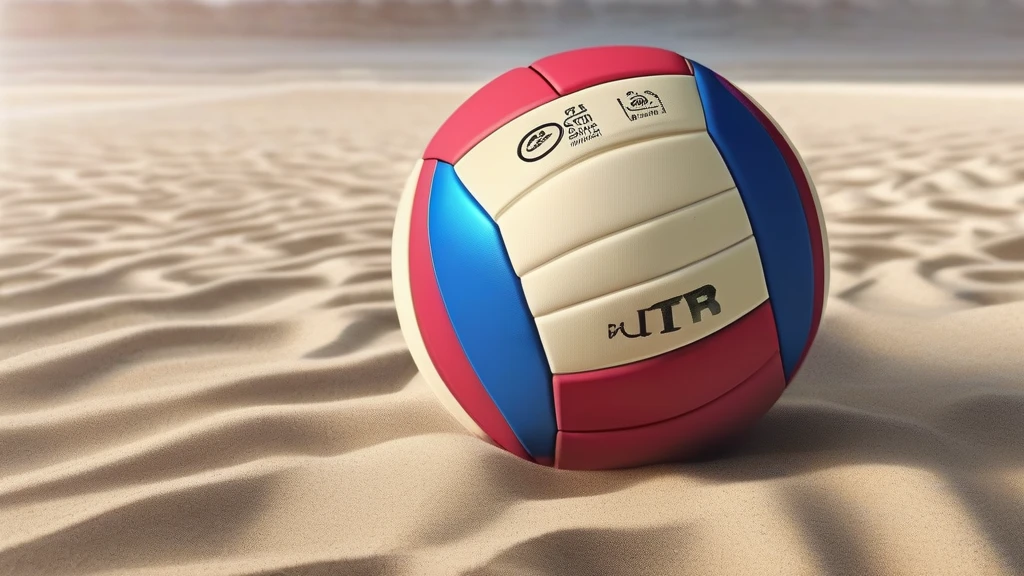
Volleyball is a dynamic, fast-paced sport enjoyed by millions worldwide, played across indoor courts, sandy beaches, and multi-surface venues. As the popularity of volleyball continues to grow, so does the demand for equipment that not only meets performance standards but also reflects a commitment to environmental responsibility. This guide explores eco-friendly volleyballs, focusing on sustainable materials, innovative manufacturing processes, and how these choices impact playability and durability. Whether you’re a professional athlete, coach, or recreational player, understanding these factors can help you make informed decisions that benefit both your game and the planet.
Understanding the Need for Eco-Friendly Volleyballs
Traditional volleyballs are crafted using synthetic materials such as composite leather, microfiber, and rubber, often incorporating non-renewable resources and manufacturing methods that generate waste and emissions. With increasing awareness of environmental issues, manufacturers and consumers alike are seeking alternatives that reduce ecological footprints without compromising quality or performance.
Eco-friendly volleyballs embrace sustainability by integrating recyclable components, biodegradable materials, and cleaner production techniques. These efforts align with broader trends in sporting goods toward responsible consumption and highlight the growing intersection between athletic performance and environmental stewardship.
Sustainable Materials in Volleyball Manufacturing
Natural and Recycled Fibers
A key innovation in eco-conscious volleyball design is the use of natural or recycled fibers in the outer panels. Instead of relying solely on synthetic composites, some volleyballs incorporate organic cotton, hemp, or recycled polyester. These materials reduce reliance on virgin plastics and promote biodegradability. For example, recycled polyester sourced from post-consumer plastic bottles can be woven into durable outer layers that maintain softness and grip comparable to traditional composites.
Biodegradable Coatings and Adhesives
The coatings and adhesives used to bind volleyball components traditionally contain chemicals that resist decomposition. Eco-friendly volleyballs utilize water-based, non-toxic coatings and biodegradable adhesives that break down more easily at the end of the product’s life cycle. These materials not only reduce environmental impact but also often improve safety by avoiding harmful substances that can cause skin irritation or respiratory issues.
Sustainable Bladders and Inner Linings
The bladder is critical for maintaining air retention and bounce quality. Conventional bladders are made of butyl or latex, materials that are durable but derived from petrochemicals or natural rubber harvested with environmental concerns. Some manufacturers now offer bladders made from sustainably sourced natural latex or advanced bio-based polymers designed for recyclability. These options retain essential performance traits like pressure consistency while supporting eco-friendly sourcing.
Eco-Conscious Manufacturing Processes
Energy-Efficient Production
Reducing the carbon footprint of volleyball production involves optimizing energy use in factories. Many companies are transitioning to renewable energy sources such as solar and wind power to run their manufacturing plants. Additionally, implementing energy-efficient machinery and production lines minimizes waste heat and electricity consumption, contributing to greener operations.
Waste Reduction and Recycling
Efforts to minimize scrap and defective materials during production are central to sustainable manufacturing. Some factories recycle leftover synthetic scraps back into the production cycle or repurpose materials for other sporting goods. Closed-loop manufacturing systems ensure that waste is managed effectively, reducing landfill contributions and conserving resources.
Water Conservation and Pollution Control
Water usage and chemical runoff are environmental concerns in sports equipment manufacturing. Eco-friendly volleyball production emphasizes water recycling and treatment processes to limit contamination. Using non-toxic dyes and finishes further protects local ecosystems from hazardous pollutants.
Performance and Durability of Eco-Friendly Volleyballs
One common misconception is that environmentally friendly volleyballs sacrifice performance for sustainability. However, advancements in materials science and manufacturing have enabled eco-friendly volleyballs to match or even exceed traditional models in key areas:
- Air Retention: Sustainable bladders provide consistent pressure and bounce, crucial for competitive and training play.
- Grip and Control: Natural and recycled fibers can be engineered for optimal texture, moisture-wicking, and anti-slip properties.
- Durability: Reinforced stitching and high-tension panel designs ensure long-lasting wear, even under intense use on indoor courts or abrasive beach sand.
- Weather Resistance: Waterproof and UV-resistant coatings made from eco-conscious materials maintain ball integrity during outdoor play.
These features make eco-friendly volleyballs suitable for a range of settings, from professional tournaments to recreational matches.
Choosing the Right Eco-Friendly Volleyball for Your Needs
When selecting an environmentally responsible volleyball, consider the following factors to ensure it meets your specific requirements:
Play Environment
- Indoor Volleyballs: Prioritize balls with smooth, soft outer panels for precise control and minimal abrasion on indoor courts. Eco-friendly options with natural fiber blends and biodegradable coatings are ideal.
- Beach Volleyballs: Look for waterproof, UV-resistant volleyballs with textured surfaces made from recycled or bio-based materials to withstand sun exposure and sand wear.
- Multi-Surface Balls: Versatile volleyballs designed for grass, hard courts, or mixed environments benefit from durable, eco-conscious rubber components and reinforced stitching.
Certification Standards
Choose volleyballs that comply with recognized standards such as FIVB, NCAA, TÜV, ISO, or CE certifications. These ensure the ball meets regulation size, weight, and performance metrics while increasingly highlighting environmental criteria.
Skill Level and Use Case
- Professional Athletes and Tournament Organizers: Opt for eco-friendly volleyballs that replicate the feel and responsiveness of traditional balls, with certified materials and manufacturing transparency.
- Coaches and Trainers: Adjustable pressure and training-size options made from sustainable materials help tailor practice sessions while minimizing environmental impact.
- Recreational Players: Lightweight, impact-resistant volleyballs crafted from recycled or biodegradable components offer safe, enjoyable play with added ecological benefits.
Maintaining Your Eco-Friendly Volleyball for Longevity
Proper care extends the life of any volleyball, reducing the need for frequent replacement and lowering overall environmental impact:
- Inflation: Use a pressure gauge to maintain recommended air levels, ensuring consistent bounce and avoiding over-inflation that can damage the bladder.
- Cleaning: Wipe the ball with a damp cloth using mild, eco-friendly cleaning agents to remove dirt and salt without degrading sustainable coatings.
- Storage: Keep volleyballs in cool, dry places away from direct sunlight to prevent material breakdown.
- Repair: Utilize eco-conscious repair kits that include biodegradable patches or natural adhesives to fix minor punctures or panel separation.
Regular maintenance not only preserves playability but supports the environmental goals of choosing an eco-friendly volleyball.
The Growing Future of Sustainable Volleyball Equipment
Sustainability in volleyball equipment is more than a trend—it's an evolving standard reflecting consumer values and industry innovation. As research advances, expect to see increased use of renewable materials, circular manufacturing models, and certifications that emphasize environmental responsibility alongside athletic performance.
By understanding the materials and processes behind eco-friendly volleyballs, players and organizers can make informed choices that align with their values without compromising on quality or enjoyment. Whether on the court or the beach, sustainable volleyballs represent a meaningful step toward greener sportsmanship and a healthier planet.
Embracing eco-friendly volleyballs is a winning strategy for athletes who care about both their game and the environment. Choosing balls made from sustainable materials and produced through conscientious processes can elevate your play while contributing to a more sustainable future for volleyball and sports in general.