
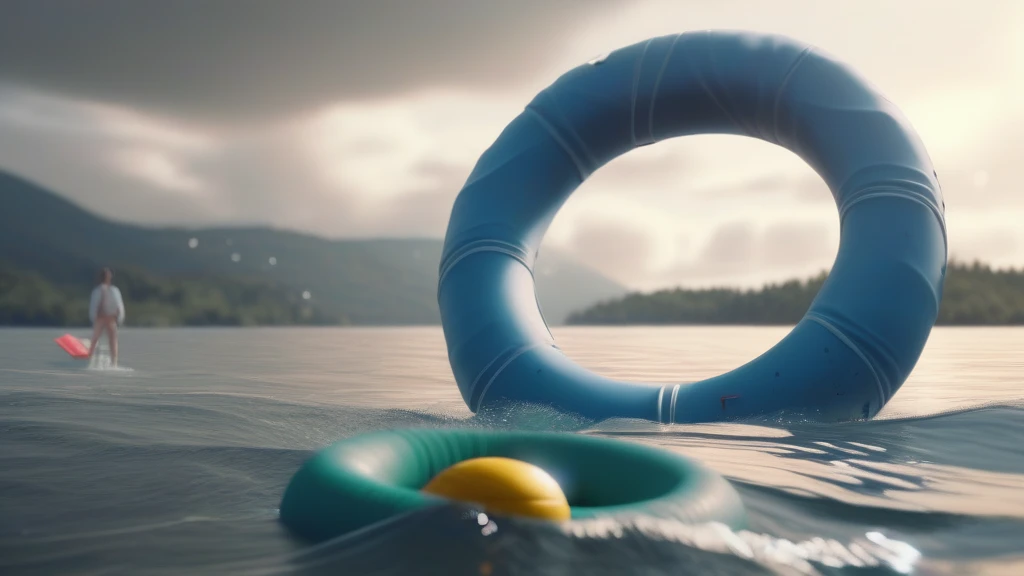
When enjoying boating, fishing, kayaking, or other water activities, safety must always be a top priority. While personal flotation devices like life jackets are essential for individual protection, equally important are throwable flotation aids such as cushions and ring buoys. These devices serve as critical emergency tools to assist someone who has fallen overboard or is in distress in the water.
This article explores how throwable cushions and ring buoys complement wearable life jackets in emergency preparedness on the water. We’ll cover their design features, best practices for use, storage considerations, and how they enhance overall safety for recreational and professional water users alike.
Understanding Throwable Flotation Devices
Throwable flotation devices are classified as Type IV personal flotation devices (PFDs) by the US Coast Guard. Unlike wearable life jackets (Types I, II, III, and V), these are designed to be thrown to a person in the water rather than worn. The two most common types are throwable cushions and ring buoys.
Throwable Cushions
Throwable cushions often look like padded seats or foam pads, typically square or rectangular. They are buoyant enough to support an adult’s weight and can be quickly tossed to someone struggling in the water. Many cushions feature straps or handles for easier gripping and retrieval.
Key characteristics:
- Made from closed-cell foam or hybrid flotation materials that resist water absorption
- Durable, UV-resistant covers often crafted from marine-grade vinyl or polyester
- Compact and multipurpose — doubling as a seat cushion on boats
- High-visibility colors (orange, yellow, or red) with reflective tape for enhanced visibility
Ring Buoys
Ring buoys are circular flotation devices, traditionally with a hollow center, designed to be thrown around a person’s torso to provide immediate buoyancy and help keep their head above water. They often include an attached rope to pull the person to safety.
Key characteristics:
- Constructed from buoyant materials like foam-filled plastic or marine vinyl
- Typically 24 inches or larger in diameter for easy grasp and support
- Brightly colored with reflective striping for nighttime or low-visibility rescues
- Equipped with grab lines or ropes for towing the victim toward the vessel or shore
Why Throwable Cushions and Ring Buoys Are Essential Safety Gear
Immediate Assistance Beyond Wearable Life Jackets
While life jackets provide continuous personal flotation, throwable devices serve as emergency aids when someone unexpectedly falls overboard or is unable to put on a vest quickly. They offer a lifeline to stabilize and support a person in distress, especially if rescue personnel or fellow boaters are nearby.
Versatility for Various Watercraft and Activities
Whether you are on a small fishing boat, a sailboat, a paddleboard, or a commercial vessel, having throwable flotation devices onboard is often a legal requirement and an important safety practice. Their compact design makes them practical for storage on decks, in cabins, or attached visibly near helm stations.
Enhancing Rescue Efficiency
Ring buoys with attached ropes allow rescuers to reach out and pull someone to safety without entering the water themselves, reducing risk to both parties. Throwable cushions give the person in the water something stable to cling to while awaiting rescue, helping conserve energy and maintain body temperature.
Best Practices for Using Throwable Cushions and Ring Buoys
1. Proper Placement and Accessibility
For throwable devices to be effective in emergencies, they must be stored in a clearly visible, easily reachable location. Common placements include near the helm, along the boat railings, or mounted in wall brackets. Avoid stowing them under gear or in hard-to-access compartments.
2. Regular Inspection and Maintenance
Check throwable cushions and ring buoys frequently for damage such as cracks, cuts, or waterlogging of foam. Ensure that any attached ropes or straps are intact and free of frays. Clean devices with fresh water after exposure to saltwater to prevent material degradation.
3. Practicing Throwing Techniques
In an emergency, being able to accurately throw a flotation device can save precious seconds. Practice throwing cushions or ring buoys under various conditions to improve distance and precision. Aim to toss the device just beyond the person in the water so they can easily reach it.
4. Combining Throwable Devices with Wearable Life Jackets
While throwable flotation devices are invaluable, they should never replace personal life jackets. Always wear an appropriate US Coast Guard-approved life jacket suited for your activity — such as a Type III for recreational paddling or a Type I for offshore fishing. Throwable aids serve as a supplement in emergencies.
Choosing the Right Throwable Devices for Your Needs
For Recreational Boaters and Families
Throwable cushions are popular on smaller boats and family vessels because they double as seating and are lightweight to handle. Opt for cushions with bright colors and reflective strips to improve visibility during a rescue.
For Larger Vessels and Commercial Use
Ring buoys are more common on larger boats, commercial fishing vessels, and passenger crafts due to their towing capability. Look for ring buoys with durable marine-grade construction and long, strong ropes designed for rough waters.
For Kayaking and Paddleboarding
While these small craft often do not have space for bulky throwable devices, compact throwable cushions or flotation aids stored in dry bags can add an extra layer of safety without impeding mobility.
Integrating Throwable Devices Into Your Emergency Plan
Conducting Safety Drills
Boating safety isn’t just about equipment; it’s also about preparedness. Include throwable cushions and ring buoys in your emergency drills. Practice deploying the devices, throwing accurately, and retrieving a “victim” to enhance crew readiness.
Coordinating with Communication Equipment
In any overboard emergency, immediate communication is crucial. Use throwable devices alongside signaling tools such as whistles, emergency lights, or VHF radios to alert nearby vessels or rescue services.
Understanding Environmental Conditions
Wind, current, and waves affect how throwable devices behave once deployed. Familiarize yourself with how these factors influence flotation device trajectory and retrieval under different weather conditions.
Final Thoughts: Enhancing Water Safety Through Preparedness
Throwable cushions and ring buoys are indispensable components of comprehensive boating and water sport safety. When combined with properly selected and fitted life jackets, they create a multi-layered defense against drowning and water emergencies. Prioritizing their maintenance, accessibility, and practical training ensures that in moments of crisis, you and your passengers have the best possible chance of survival and rescue.
By integrating throwable flotation devices into your water safety routine, you not only comply with regulations but also demonstrate a proactive commitment to protecting lives on the water. Whether you’re a weekend kayaker, avid fisherman, commercial mariner, or family enjoying a day on the lake, mastering the use of throwable cushions and ring buoys is a vital step toward safer aquatic adventures.