
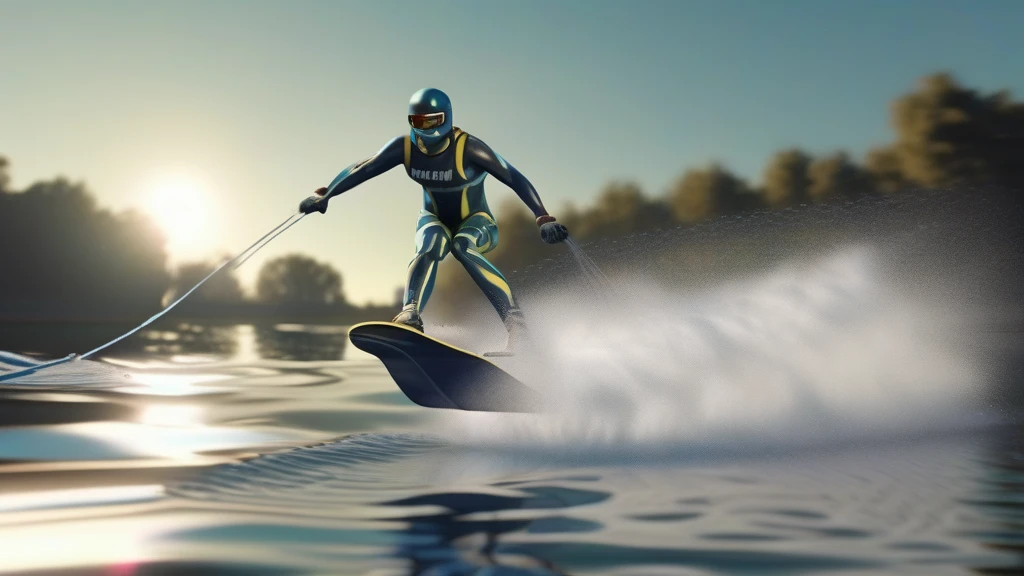
Water skiing, especially trick water skiing, is an exhilarating sport that combines agility, balance, and precision. Whether you’re spinning, flipping, or performing complex freestyle maneuvers, having the right equipment is crucial—not only for performance but also for your safety. Trick water skis are uniquely designed to handle the demands of these dynamic moves, but with so many options available, knowing what safety features to prioritize can make a significant difference on the water.
In this article, we’ll explore the essential safety features to look for in trick water skis, helping you choose equipment that supports both your skills and your well-being.
Understanding the Demands of Trick Water Skiing
Before diving into specific safety features, it’s important to recognize the physical demands of trick water skiing. Unlike traditional water skiing, trick skiing involves rapid directional changes, spins, jumps, and other stunts that put a high level of stress on both the skier and the equipment.
Because of this, trick water skis must:
- Offer superior control and stability during quick maneuvers
- Withstand high-impact landings and water resistance
- Provide secure foot retention without restricting movement
- Be lightweight enough for quick reactions but durable enough to handle stress
Safety features embedded in the design help minimize injury risks and provide confidence when attempting advanced tricks.
Key Safety Features in Trick Water Skis
1. Durable, Impact-Resistant Construction
Trick water skis must endure repetitive high-impact landings and sharp turns. Look for skis constructed from advanced materials such as:
- Carbon Fiber and Kevlar: These materials offer an excellent strength-to-weight ratio, providing durability without adding unnecessary weight.
- Fiberglass Reinforcement: Adds flexibility and resilience to withstand bending forces.
- Aluminum Components: Often used in fin systems or bindings for robust performance.
Durability ensures the ski won’t fail during a trick, reducing the risk of falls caused by equipment malfunction.
2. Anti-Slip and Secure Bindings
Your feet are the direct link to your skis, so bindings play a critical role in safety. Key binding features include:
- Anti-Slip Surfaces: Textured or rubberized footbeds prevent feet from sliding during spins or landings.
- Adjustability: Adjustable bindings accommodate different foot sizes and allow for a snug fit, reducing the chance of your foot slipping out unexpectedly.
- Quick-Release Mechanisms: In case of a fall, quick-release bindings can free your foot rapidly, helping to prevent ankle or leg injuries.
Bindings that balance security with ease of release are essential for both comfort and protection.
3. Smooth, Rounded Edges
Sharp edges on skis can cause cuts or abrasions during falls or collisions. Trick water skis often feature:
- Rounded or Smoothed Edges: Minimizes injury risk when making contact with your body or other surfaces.
- Impact-Resistant Coatings: Some skis include protective coatings that reduce the chance of chipping or sharp edge formation over time.
Safe edge design contributes to reducing injury severity during high-impact maneuvers.
4. Adjustable and Detachable Fin Systems
Fins provide critical stability and control during turns and jumps. Safety-wise, consider:
- Detachable Fins: Allow quick removal to prevent injury if the fin catches on water or obstacles.
- Adjustable Fin Positions: Help customize balance and control, reducing unexpected slips or loss of control.
- Rounded Fin Edges: Similar to ski edges, rounded fins are less likely to cause cuts if contact occurs.
A well-designed fin system supports safer execution of complex tricks by enhancing ski responsiveness.
5. Lightweight and Portable Design
While not always thought of as a safety feature, portability and weight impact your ability to handle and transport your skis safely:
- Compact Length (Typically 40–48 inches): Easier to maneuver in water and on land.
- Foldable Designs and Carry Bags: Protect skis from damage during transport and storage, preventing unexpected equipment failure on the water.
Lightweight materials reduce fatigue, helping maintain control and reducing accident risks during extended sessions.
6. Weather and UV Resistance
Exposure to sun and water can degrade ski materials, leading to cracks, brittleness, or weakening that compromises safety:
- UV-Resistant Coatings: Help maintain structural integrity and prevent fading or cracking.
- Water-Resistant Materials: Resist absorption that can cause warping or weakening.
Long-term resistance to environmental factors ensures your skis remain safe and reliable across seasons.
Additional Safety Considerations
Proper Fit and Skill Level Matching
Choosing skis that match your skill level is vital. Beginners benefit from wider, more stable skis that reduce tipping risk, while advanced users may prefer narrower, more responsive skis that require greater balance but offer enhanced control.
Wearing appropriate life jackets, helmets, and wetsuits complements ski safety features and protects you in case of falls.
Regular Maintenance and Inspection
Routine checks can prevent accidents caused by equipment failure:
- Inspect bindings for wear or damage.
- Check fins for cracks or loose fittings.
- Clean skis after use to remove salt, sand, or debris.
- Store skis in a cool, dry place away from direct sunlight.
Maintaining your trick water skis extends their lifespan and safeguards your performance.
Conclusion
Trick water skiing is an exciting and challenging sport that demands equipment designed for both high performance and safety. When selecting trick water skis, prioritize features such as durable construction, secure and adjustable bindings, smooth edges, customizable fins, and weather-resistant materials. These elements work together to enhance your control, comfort, and protection during every spin, flip, and jump.
By understanding and focusing on these safety features, you can enjoy the thrill of trick water skiing with greater confidence and peace of mind—allowing you to focus on mastering your tricks and having fun on the water.
Whether you are a beginner eager to try your first freestyle maneuvers or a seasoned competitor pushing the limits, investing in the right trick water skis with essential safety features is a smart step toward a safer, more enjoyable water skiing experience.