
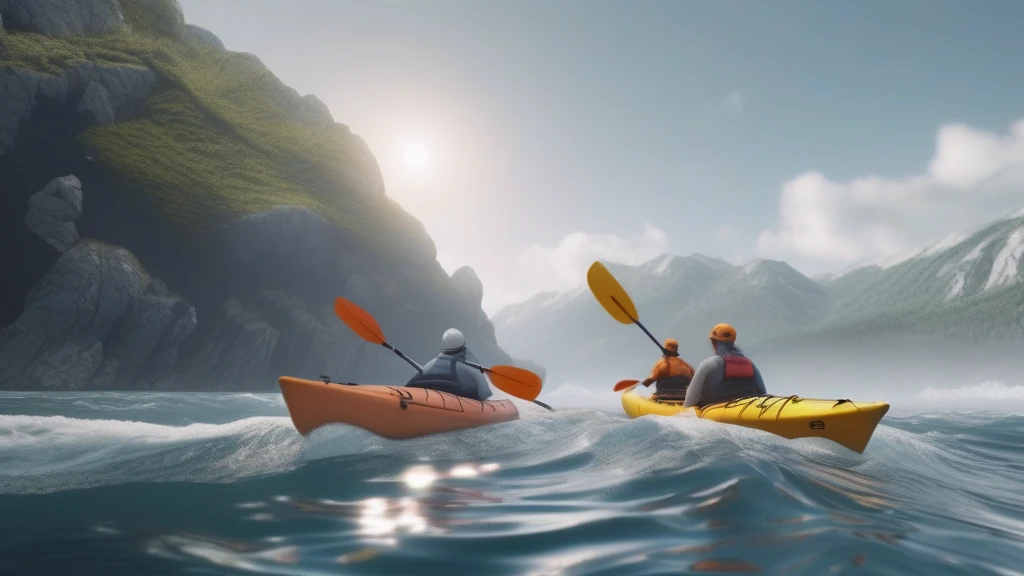
When enjoying aquatic activities such as kayaking, paddleboarding, or sailing, safety should always be a top priority. A well-chosen life jacket not only enhances your safety but also improves comfort and convenience on the water. With a wide variety of personal flotation devices (PFDs) available, understanding the essential features tailored to your specific activity is crucial. This guide explores the key characteristics of life jackets designed for kayakers, paddleboarders, and sailors, empowering you to make informed decisions for safer and more enjoyable water adventures.
Understanding Life Jacket Types and Their Applications
Life jackets are categorized based on their buoyancy, design, and intended use. The United States Coast Guard (USCG) classifies PFDs into five types, each suited for different water environments and user activities:
- Type I (Offshore Life Jackets): Provide maximum buoyancy and are designed to keep an unconscious wearer’s head above water. Ideal for offshore or rough waters but bulkier and less comfortable for prolonged wear.
- Type II (Near-Shore Buoyant Vests): Moderate buoyancy suitable for calm, inland waters where quick rescue is likely. Less bulky but may not turn an unconscious person face-up reliably.
- Type III (Recreational Vest): Standard buoyancy designed for conscious users engaged in active water sports like kayaking and paddleboarding. Offers a comfortable fit with freedom of movement.
- Type IV (Throwable Devices): Non-wearable flotation aids such as cushions or ring buoys, meant to be thrown to a person in the water.
- Type V (Special Use Devices): Designed for specific activities or conditions, often with specialized features like additional flotation or integrated harnesses.
For kayakers, paddleboarders, and sailors, Type III and certain Type V life jackets are generally preferred due to their balance between buoyancy, comfort, and mobility.
Key Material Features for Durability and Comfort
Life jackets must withstand exposure to water, sun, and abrasion without sacrificing comfort. Common materials used include:
- Ripstop Nylon and Polyester: These synthetic fabrics offer excellent durability and resistance to tearing, UV rays, and saltwater corrosion.
- Marine-Grade Vinyl: Often used in inflatable models, providing waterproof and puncture-resistant surfaces.
- Closed-Cell or Hybrid Foam Cores: Deliver reliable buoyancy that does not absorb water. Hybrid foams combine different materials to reduce weight and improve flotation.
- Inflatable Bladders: Some PFDs incorporate CO₂-inflated chambers that allow for compact storage and adjustable buoyancy, ideal for paddlers seeking minimal bulk.
Increasingly, manufacturers prioritize eco-conscious materials such as biodegradable coatings and recyclable foams, reflecting a growing commitment to sustainability without compromising safety or durability.
Activity-Specific Features to Consider
Kayaking Life Jackets
Kayaking demands a life jacket that offers a snug, ergonomic fit to prevent interference with paddling strokes and maneuverability. Look for:
- Low-profile designs that do not restrict arm movement.
- Adequate buoyancy to keep you afloat but balanced with comfort.
- Multiple adjustment points (shoulder straps, side buckles) for a customized fit.
- Pockets and attachment points for essentials like whistles, small tools, or hydration packs.
- Quick-drying materials that can withstand frequent immersion.
Paddleboarding Life Jackets
Paddleboarders benefit from lightweight, flexible PFDs that maintain flotation without bulkiness:
- Slim, flexible foam or inflatable designs enhance freedom of movement.
- High-visibility colors for better rescue visibility on open water.
- Reflective strips or glow-in-the-dark features to increase safety during low-light conditions.
- Integrated safety whistles and emergency light mounts for added preparedness.
Sailing Life Jackets
Sailors often face varying weather and water conditions, so life jackets for sailing prioritize durability and multifunctionality:
- Higher buoyancy ratings and sometimes inflatable options for offshore excursions.
- Reinforced buckles and quick-release mechanisms for secure fastening and ease of removal.
- Rescue handles for quick retrieval in emergencies.
- Compatibility with harnesses or tether attachments for man-overboard prevention.
- Water-resistant pockets for storing safety gear or communication devices.
Safety Features to Prioritize
No matter the activity, certain safety features should be non-negotiable when selecting a life jacket:
- Adjustable and reinforced buckles: Ensure the jacket stays securely fastened without risk of accidental release.
- Quick-release straps: Allow for fast removal in emergencies or after water entry.
- High-visibility colors: Bright oranges, yellows, reds, and blues improve visibility to rescuers.
- Reflective tape and glow-in-the-dark strips: Enhance visibility in low-light or nighttime situations.
- Emergency whistles: Facilitate attracting attention when needed.
- Rescue handles: Aid others in pulling a person to safety.
- Emergency light mounts: Provide the option to attach waterproof lights for nighttime signaling.
- Anti-slip designs: Prevent the life jacket from riding up or shifting during activity.
Ensuring Proper Fit and Maintenance
A life jacket’s effectiveness depends largely on fit and condition. Follow these guidelines for optimal safety:
- Fit: The jacket should fit snugly without restricting movement. It should not rise above the chin or ears when lifted at the shoulders.
- Sizing: Use manufacturer sizing charts based on chest measurements and weight.
- Adjustments: Utilize straps and buckles to fine-tune fit, ensuring the jacket remains secure during activity.
- Inspection: Regularly check for tears, worn stitching, damaged buckles, or compromised flotation material.
- Cleaning: Rinse with fresh water after use in saltwater or chlorinated pools and air dry out of direct sunlight.
- Storage: Store in a cool, dry place away from UV exposure to prolong material life.
Proper maintenance can significantly extend the lifespan of your life jacket and ensure it performs reliably when needed.
Understanding Safety Certifications
Recognizing certifications helps verify the quality and reliability of life jackets:
- US Coast Guard (USCG) Approval: Indicates compliance with federal safety standards for buoyancy, design, and performance.
- ISO Certification: International standards ensuring consistent safety and quality across products.
- CE Mark: European conformity marking, validating adherence to health, safety, and environmental protection standards.
- TÜV Certification: German certification body verifying product safety and quality.
When selecting a life jacket, prioritize those bearing recognized certifications relevant to your region and activity.
Innovations in Inflatable Life Jackets
Inflatable life jackets are gaining popularity for their compactness and comfort, especially among kayakers and paddleboarders who prefer minimal bulk:
- Advantages: Inflatable jackets offer high buoyancy with a slim profile, activated manually or automatically upon immersion.
- Use Cases: Ideal for experienced users comfortable with proper maintenance and activation procedures.
- Safety Considerations: Inflatable models require regular inspection and servicing to ensure CO₂ canisters and inflators function correctly. They are not recommended for non-swimmers or children.
- Hybrid Designs: Some jackets combine foam and inflatable components for enhanced safety and versatility.
Understanding the pros and cons of inflatable versus foam life jackets helps users select the best option for their needs.
Emergency Preparedness Beyond Wearable Jackets
While personal flotation devices are essential, complementary safety gear improves overall emergency readiness:
- Throwable Cushions and Ring Buoys (Type IV Devices): Provide flotation for rescuing individuals who have fallen overboard without requiring the rescuer to enter the water.
- Emergency Kits: Incorporate waterproof lights, signaling devices, and first aid supplies.
- Communication Tools: Waterproof radios or personal locator beacons enhance rescue chances.
- Rescue Training: Familiarity with rescue techniques and drills improves safety outcomes.
Combining wearable life jackets with throwable devices and preparedness measures creates a comprehensive water safety strategy.
Final Thoughts
Choosing the right life jacket involves understanding the unique demands of kayaking, paddleboarding, or sailing, alongside the vital features that ensure safety, comfort, and durability. By selecting appropriate USCG-approved types, prioritizing materials and design innovations, and maintaining your life jacket properly, you enhance your protection on the water. Coupled with awareness of safety certifications and emergency preparedness, you can confidently enjoy your water sports with peace of mind.
Always remember: the best life jacket is the one you wear correctly and consistently. Safety on the water starts with informed choices and responsible practices.