
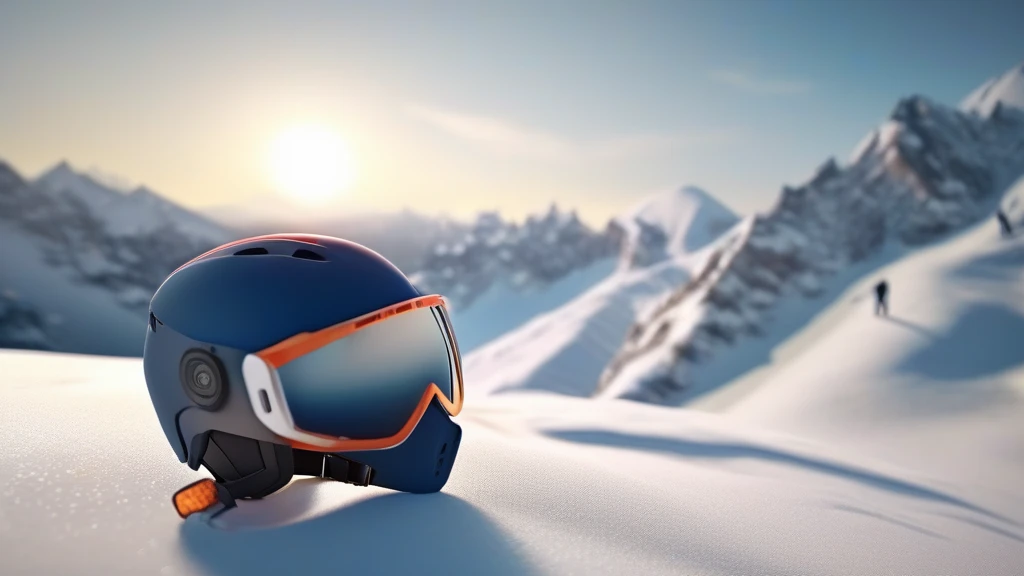
Ski and snowboard helmets are indispensable gear for anyone hitting the slopes, providing critical protection against impacts, cold, and harsh weather. Given the investment in a high-quality helmet—often equipped with advanced safety certifications, impact mitigation technologies like MIPS, and specialized comfort features—it’s important to maintain it properly. Effective helmet maintenance not only preserves its protective capabilities but also enhances comfort, durability, and overall performance season after season.
This article offers practical maintenance tips to help you extend the life of your ski or snowboard helmet, ensuring it remains a reliable safety companion during all your winter adventures.
Understanding Your Helmet’s Construction and Safety Features
Before diving into maintenance, it’s useful to understand what makes up your helmet and why proper care matters.
- Shell Materials: Most helmets use durable yet lightweight materials such as polycarbonate, ABS, carbon fiber, or hybrid composites. These materials provide a tough outer layer that withstands impacts and environmental wear.
- Impact Absorption Layers: Inside the shell lies an EPS foam liner or multi-impact foam designed to absorb shock. Some helmets incorporate MIPS (Multi-directional Impact Protection System) technology to reduce rotational forces during impacts.
- Comfort and Fit Components: Adjustable fit systems, removable liners, ear pads, and ventilation mechanisms contribute to comfort and usability.
- Certifications: Helmets meeting CE EN 1077, ASTM F2040, or ISO standards guarantee specific safety and performance benchmarks.
Because helmet safety depends on the integrity of these components, maintenance practices should focus on preserving their condition without compromising protective features.
Cleaning Your Helmet: Dos and Don’ts
Regular cleaning keeps your helmet fresh, odor-free, and functional, but improper methods can damage sensitive materials.
Dos
- Use Mild Soap and Water: Clean the exterior shell and interior liners with a soft cloth or sponge dipped in lukewarm water mixed with mild, non-abrasive soap. This helps remove dirt, sweat, and grime without degrading materials.
- Remove and Wash Liners: Most helmets have removable, washable liners and ear pads. Hand wash these parts separately following manufacturer instructions, then air dry thoroughly before reinstalling.
- Clean Ventilation Channels: Use a soft brush or compressed air to clear dust and debris from vents, maintaining airflow and anti-fog functionality.
- Dry Properly: After cleaning, let your helmet air dry naturally at room temperature. Avoid direct heat sources like radiators or hair dryers, which can warp plastics or foam.
Don’ts
- Avoid Harsh Chemicals: Do not use solvents, bleach, alcohol, or petroleum-based cleaners as they can weaken the helmet’s shell and foam.
- Do Not Submerge Fully: Prolonged soaking can damage adhesives and internal materials.
- Avoid Machine Washing: Mechanical agitation risks deforming liners or damaging fit systems.
- Don’t Store When Wet: Moisture trapped inside promotes mold growth and material breakdown.
Inspecting Your Helmet Regularly
Routine inspection is key to ensuring your helmet maintains its protective qualities.
- Check for Cracks or Dents: Examine the shell for any visible damage after each use or impact. Even minor cracks can compromise safety.
- Assess the Foam Liner: Look for compression, dents, or signs of deterioration inside the helmet. Impact foam is designed to absorb shocks once and may lose effectiveness after a fall.
- Test the Fit System: Make sure adjustment dials, straps, and buckles function smoothly and hold securely.
- Inspect Chin Straps and Buckles: Straps should be free of frays or tears, and buckles must latch firmly without slipping.
- Evaluate Ventilation Components: Confirm vents open and close properly and that vent covers or filters are intact.
If you notice significant damage, replace your helmet immediately—even if it looks fine externally. Helmets are designed for single-impact protection; reusing a compromised helmet risks serious injury.
Proper Storage to Maintain Shape and Function
How you store your helmet when it’s off the slopes can affect its longevity.
- Keep in a Cool, Dry Place: Avoid extreme temperatures or humidity, which can degrade foam liners and adhesives.
- Use a Helmet Bag: A padded, breathable helmet bag protects against scratches and dust while allowing airflow.
- Avoid Pressure or Weight on Helmet: Do not stack heavy items on top of the helmet or store it under compression, as this can deform the shell or liner.
- Store Away from Sunlight: Prolonged UV exposure weakens plastics and colors.
Handling and Usage Tips to Enhance Durability
Your day-to-day habits impact helmet condition as much as formal maintenance.
- Use Goggles Compatibility Features Correctly: Ensure magnetic or clip-on goggle holders are used as intended to prevent stress on helmet materials.
- Fasten Chin Straps Properly: Secure straps snugly but not too tight to avoid unnecessary wear and discomfort.
- Avoid Dropping or Rough Handling: Helmets are engineered for impact protection but are not indestructible. Treat your helmet gently to prevent micro-fractures or material fatigue.
- Replace After Significant Impact: Even if no visible damage is present, replace your helmet after any moderate to severe fall or collision.
When to Replace Your Helmet
No matter how well you maintain it, all helmets have a finite lifespan.
- Manufacturer Guidelines: Most recommend replacement every 3-5 years due to material aging.
- Post-Impact: Always replace immediately after a crash or hard impact.
- Signs of Wear: Cracked shell, compressed foam, malfunctioning fit system, or deteriorated straps signal the need for a new helmet.
Regular maintenance and inspection help you identify these signs early, ensuring your helmet continues to provide optimal protection.
Summary: A Lifelong Partner for Safety and Comfort
By adopting simple yet effective maintenance habits, you can significantly extend the life and performance of your ski or snowboard helmet. Clean it regularly with gentle products, store it carefully, inspect it thoroughly, and handle it with care to preserve its advanced safety features and comfort components.
Investing time in helmet upkeep not only protects your head but also enhances your skiing or snowboarding experience by ensuring your gear is always reliable, comfortable, and ready for the demands of winter sports. Remember, a well-maintained helmet is your first line of defense on the mountain—treat it accordingly for many safe seasons to come.