
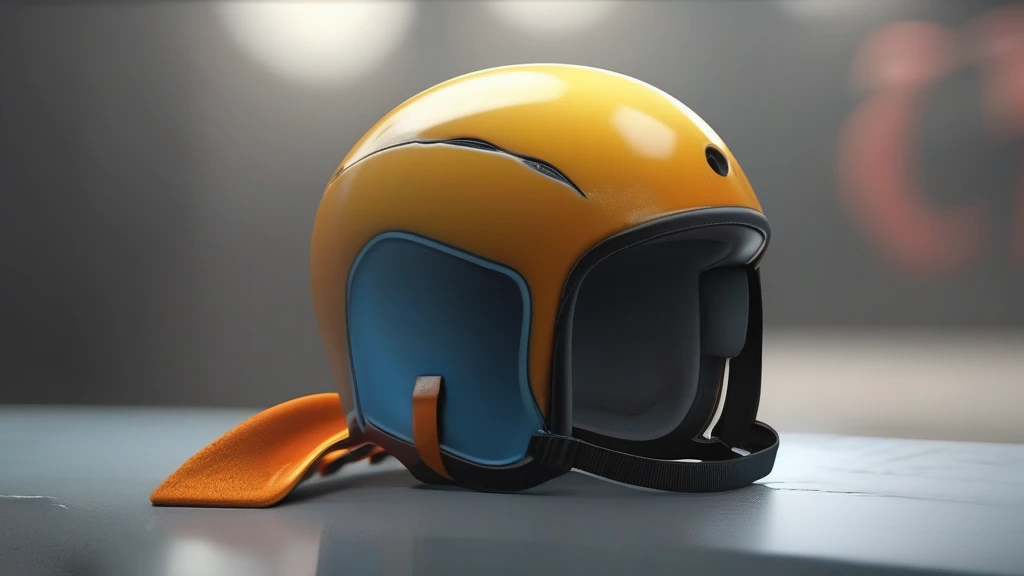
Skate helmets play a crucial role in protecting your head during skateboarding, scootering, BMX riding, and other outdoor activities. Given the vital safety function they serve, maintaining your helmet properly is essential not only to preserve its appearance and comfort but, more importantly, to ensure it continues to provide reliable protection. This article will guide you through practical maintenance tips that help extend the lifespan of your skate helmet, keeping you safe and comfortable during every ride.
Understanding the Importance of Helmet Maintenance
Skate helmets are designed with advanced materials like polycarbonate shells, EPS foam liners, and sometimes carbon fiber reinforcements that absorb and dissipate impact energy. Many helmets also incorporate technologies such as MIPS (Multi-directional Impact Protection System) to reduce rotational forces during crashes. However, the effectiveness of these features depends on the helmet’s condition and integrity.
Regular maintenance helps you:
- Detect damage or wear that could compromise safety.
- Preserve comfort features like ventilation and fit systems.
- Extend the usability of your helmet, delaying the need for replacement.
- Maintain hygiene and prevent odor buildup.
Routine Cleaning: Keep Your Helmet Fresh and Functional
Exterior Cleaning
Dirt, sweat, and debris can accumulate on your helmet’s outer shell, which may reduce ventilation efficiency or degrade materials over time.
- Use a soft cloth or sponge with mild soap and lukewarm water to gently clean the helmet’s exterior.
- Avoid harsh chemicals, solvents, or abrasive cleaners that can weaken the polycarbonate or ABS shell.
- Rinse thoroughly and dry with a soft towel or air dry in a shaded area to prevent UV damage.
Interior Cleaning
The helmet’s interior padding and foam liner are critical for comfort and impact absorption, but they also absorb sweat and oils.
- Many helmets have removable, washable liners—remove these and hand wash with mild detergent.
- For non-removable liners, use a damp cloth with mild soap to spot clean.
- Allow all components to air dry completely before reassembling to prevent mold or mildew.
Inspect Your Helmet Regularly for Damage
Even if your helmet looks fine on the outside, internal damage can compromise protection.
Visual Inspection
- Check for cracks, dents, or deep scratches on the shell.
- Inspect the foam liner for compression, cracks, or signs of impact.
- Ensure that straps, buckles, and adjustment mechanisms function properly and are free from fraying or damage.
Post-Impact Protocol
- Replace your helmet immediately if it has been involved in a significant fall or collision, even if no visible damage is apparent.
- The EPS foam liner is designed to absorb one major impact and may be compromised after a crash.
Proper Storage to Preserve Helmet Integrity
How you store your helmet affects its durability and performance.
- Keep your helmet in a cool, dry place away from direct sunlight and extreme temperatures, which can degrade plastics and foam over time.
- Avoid storing your helmet in places where it may be crushed or deformed, such as under heavy objects or in tight bags without proper padding.
- Use a breathable helmet bag for transport and storage to protect against dust and scratches while allowing airflow.
Adjust and Maintain Fit Systems
A secure and comfortable fit is essential for effective protection.
- Periodically check and adjust the chin straps, dial-fit systems, and padding to accommodate changes in head size or helmet wear.
- Replace worn or stretched straps and buckles to ensure they fasten securely.
- Keep adjustment mechanisms clean and free from debris that could impair smooth operation.
Ventilation Maintenance for Comfort
Skate helmets often feature 10 to 15 strategically placed vents to optimize airflow during intense activity.
- Clear vents of dirt, leaves, or spider webs regularly to maintain proper ventilation.
- Use a soft brush or compressed air to clean hard-to-reach areas without damaging liners or padding.
- Proper ventilation helps prevent overheating and sweat buildup, enhancing comfort and helmet longevity.
When to Replace Your Skate Helmet
Even with careful maintenance, skate helmets have a finite lifespan.
- Manufacturers typically recommend replacing helmets every 3 to 5 years, depending on usage and storage conditions.
- Exposure to UV rays, sweat, and temperature fluctuations accelerates material degradation.
- Always err on the side of caution—if your helmet feels less secure, shows signs of wear, or you’re unsure about its condition, it’s time to invest in a new one.
Sustainability and Responsible Disposal
As sustainability becomes a growing concern, consider the environmental impact of helmet disposal.
- Some helmet manufacturers use recyclable materials or offer take-back programs.
- If possible, recycle your old helmet according to local guidelines or repurpose parts creatively.
- Proper disposal prevents helmets from ending up in landfills and supports eco-friendly outdoor recreation.
Conclusion
Maintaining your skate helmet is a vital practice that extends its protective capabilities, enhances comfort, and supports sustainability. By regularly cleaning, inspecting, storing, and adjusting your helmet, you ensure that it remains a reliable companion for every skateboarding session or outdoor adventure. Remember, a well-maintained helmet not only protects your head but also gives you the confidence to push your limits safely. Prioritize helmet care as part of your outdoor sports routine and enjoy peace of mind on every ride.