
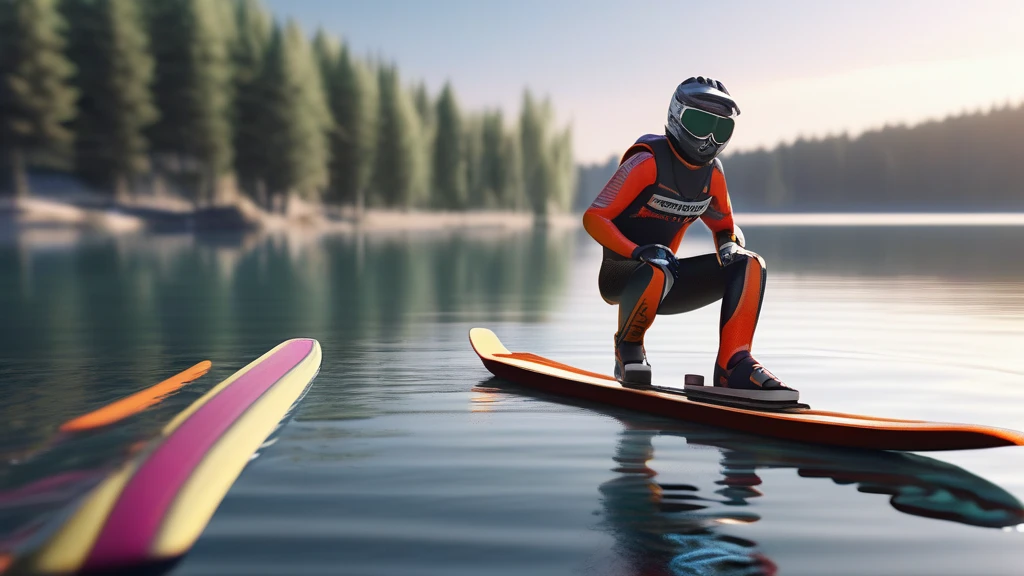
Water skiing is an exhilarating sport that combines skill, balance, and speed on the water. Whether you’re a beginner taking your first glide across the lake or an advanced athlete performing complex freestyle tricks, safety is paramount. Choosing the right water ski equipment with essential safety features can make all the difference in enjoying the sport confidently and minimizing risks. This article provides a comprehensive guide to the critical safety considerations and certifications to look for when purchasing certified water ski equipment.
Understanding the Importance of Safety in Water Skiing
Water skiing involves high speeds, strong water resistance, and the risk of falls or collisions. Unlike some other water sports, the equipment you use directly impacts your stability, control, and injury prevention. Properly designed and certified water skis enhance your ability to perform safely by providing secure bindings, reliable materials, and features that reduce accidents and facilitate quick recovery in emergencies.
Key Safety Features in Certified Water Ski Equipment
When shopping for water skis, several safety features should be top of mind. These elements are often integrated into high-quality, certified equipment that meets rigorous international safety standards such as ISO, CE, TÜV, or Marine Safety certifications.
1. Quick-Release Bindings
One of the most critical safety components is the binding system. Bindings secure your feet firmly to the skis but must also allow for fast, safe release if you fall or need to detach quickly. Look for bindings with:
- Adjustable tension settings to customize grip strength based on skill level.
- Ergonomic quick-release mechanisms that can be activated easily under stress.
- Durable, weather-resistant materials that maintain function in wet conditions.
Quick-release bindings reduce the risk of leg injuries by preventing your foot from being trapped during a fall.
2. Anti-Slip Surfaces and Ergonomic Design
Water skis should provide stable footing to prevent slips when jumping on or off the skis. Important features include:
- Textured or rubberized footbeds that improve grip.
- Ergonomically shaped bindings and boots that support natural foot positioning and reduce fatigue.
- Smooth, rounded edges on the skis to avoid cuts or scrapes during handling and use.
These design elements enhance control and comfort, helping skiers maintain balance and reduce falls.
3. Durable, High-Impact Resistant Materials
The construction materials of your water skis influence not only performance but also safety. Quality skis often incorporate:
- Carbon fiber or Kevlar reinforcements for excellent impact resistance.
- Fiberglass layers that add strength without excessive weight.
- Polyurethane cores providing shock absorption.
- Aluminum reinforcements in key stress areas for durability.
These materials reduce the likelihood of equipment failure during use, which can lead to accidents.
4. Certification and Testing Standards
Certified water ski equipment undergoes extensive testing to meet safety and performance benchmarks. Look for products labeled with certifications such as:
- ISO (International Organization for Standardization): Ensures general safety and quality standards.
- CE (Conformité Européenne): Indicates compliance with European health, safety, and environmental protection requirements.
- TÜV (Technischer Überwachungsverein): A German certification for technical safety and reliability.
- Marine Safety Certifications: Specific to marine and water sports equipment to assess durability and safety on water.
Purchasing certified equipment guarantees that the skis have passed independent, rigorous evaluations.
Additional Safety Considerations When Choosing Water Skis
Beyond the core features and certifications, some other factors contribute to overall safety:
Skill Level and Ski Type Matching
Different water skis cater to various skill levels and activities—from beginner recreational skis offering maximum stability to freestyle or show skis designed for advanced maneuvers. Using the right ski type reduces the risk of falls caused by instability or inappropriate equipment. Beginners should prioritize skis with wider bases and enhanced buoyancy, while experienced skiers may opt for narrower, more responsive designs.
Adjustable and Detachable Components
Modern water skis often include adjustable fins and detachable bindings or boots. These allow customization to match water conditions and user preference, improving control and safety. For example, adjusting fin depth can enhance directional stability in choppy water, reducing the chance of losing balance.
Portability and Maintenance
Portable, lightweight skis with ergonomic carrying options reduce strain when transporting equipment, lowering the likelihood of accidental drops or damage. Regular maintenance—such as checking bindings, tightening screws, and inspecting for cracks—ensures equipment integrity and safe operation.
Practical Tips for Ensuring Water Ski Safety
- Inspect Equipment Before Each Use: Look for signs of wear, loose parts, or damage.
- Use Certified Equipment Only: Avoid uncertified or homemade gear that may lack safety features.
- Match Equipment to Your Skill Level: Don’t use advanced skis until you have mastered the basics.
- Wear Appropriate Safety Gear: Always pair your skis with a properly fitting life jacket and helmet if recommended.
- Learn Proper Techniques: Take lessons to understand safe skiing practices and how to fall safely.
- Check Water and Weather Conditions: Avoid skiing in hazardous or unfamiliar environments.
Conclusion
Investing in certified water ski equipment with essential safety features is a crucial step toward enjoying water skiing safely and confidently. Features like quick-release bindings, anti-slip surfaces, durable materials, and important certifications work together to protect you from injury and enhance your overall experience. By understanding these safety elements and selecting gear suited to your skill level and needs, you can focus on the thrill of gliding across the water while minimizing risks.
Always prioritize safety, maintain your equipment, and stay informed about the latest innovations and standards in water ski technology. This approach will help you make an informed purchase that supports both your enjoyment and well-being on the water.