
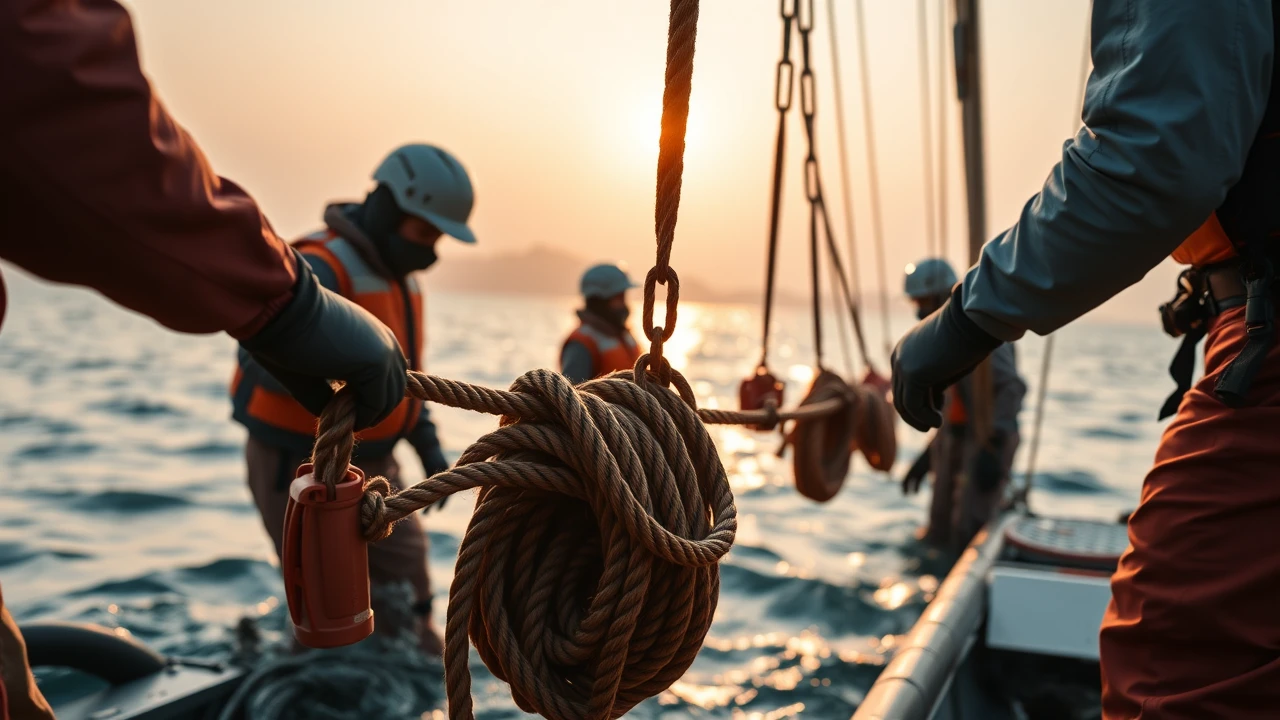
When seconds count, having the right rescue rope and employing proper safety protocols can mean the difference between life and death. Rescue ropes are specialized tools designed to perform reliably under intense pressure, often in challenging environments such as water rescues, high-angle evacuations, or swift water emergencies. Understanding how to select, inspect, and use these ropes safely is critical for emergency responders, water sports enthusiasts, and anyone involved in rescue operations.
This article provides a comprehensive overview of essential safety protocols when using rescue ropes, highlighting key considerations to maximize safety, rope performance, and durability.
Understanding Rescue Ropes: Materials and Features
Before diving into safety protocols, it’s important to appreciate what makes rescue ropes unique compared to general-purpose ropes.
Common Materials and Their Benefits
- Nylon: Offers excellent strength, elasticity, and abrasion resistance. Ideal for dynamic loads where some stretch can absorb shock forces.
- Polyester: Resistant to UV degradation and has low stretch, making it suitable for static applications like anchoring.
- Polypropylene: Lightweight and floats on water, favored in water rescue but less abrasion-resistant.
- Braided Polyethylene: Known for durability and buoyancy, often used in marine and rescue settings.
Safety-Centric Features
- UV Resistance and Waterproofing: Ensures rope strength is maintained even after prolonged exposure to sun and water.
- Floating or Partially Floating Design: Critical in water rescues to prevent ropes from sinking and becoming tangled or lost.
- Reinforced Loops and Quick-Release Mechanisms: Enhance ease of connection and rapid deployment or detachment.
- Ergonomic Handles: Made from EVA foam or rubber to improve grip and minimize hand fatigue during rescues.
Pre-Use Inspection: A Vital Step for Safety
Using a damaged or compromised rope in a rescue scenario can result in catastrophic failure. A thorough pre-use inspection is non-negotiable.
What to Look For
- Visual Damage: Check for cuts, abrasions, fraying, discoloration, or any visible wear, especially at high-stress points like loops and splices.
- Stiffness or Brittleness: Rope that feels unusually stiff or brittle may have been exposed to chemicals or UV damage.
- Core Damage: For kernmantle ropes (with an inner core and protective sheath), damage to the sheath can indicate possible core compromise.
- Contamination: Presence of oils, chemicals, or dirt can degrade rope fibers or reduce grip.
Inspection Routine
- Conduct inspections before and after every use.
- Document wear and any incidents involving shock loads or falls.
- Retire or professionally test ropes that show signs of damage or have met their recommended service life.
Proper Handling and Deployment Techniques
Safe rope handling minimizes wear and optimizes the rope’s reliability during rescue operations.
Deployment Tips
- Avoid Sharp Edges: Use edge protectors or padding when ropes pass over rocks, boat edges, or rough surfaces.
- Prevent Twisting and Kinking: Lay out ropes carefully to avoid knots or twists that weaken strength.
- Use Appropriate Knots: Employ knots recommended for rescue scenarios that maintain rope integrity and allow quick release.
- Anchor Securely: Ensure anchoring points are rated for the intended load and properly secured.
Handling Under Load
- Maintain constant communication among team members to coordinate tension and slack.
- Avoid sudden shock loads by applying tension gradually.
- Use gloves or ergonomic handles to protect hands and maintain grip.
Safety Protocols During Rescue Operations
The following protocols help ensure maximum safety when ropes are in active use during emergencies.
High-Visibility and Communication
- Use ropes with bright colors or reflective tracers to enhance visibility in low-light or turbulent conditions.
- Establish clear hand signals or radio communication to coordinate movements and load changes.
Load Management
- Know the rope’s tensile strength and never exceed its safe working load.
- Factor in dynamic forces such as falls or sudden jerks, which can multiply the load.
- Use backup safety lines or redundancy systems where possible.
Quick-Release and Emergency Detachment
- When quick-release mechanisms are employed, test their functionality regularly.
- Train all team members on emergency detachment procedures to prevent entanglement or delay.
Maintenance and Storage: Prolonging Rope Life and Reliability
Proper maintenance is essential to keep rescue ropes safe and functional over time.
Cleaning
- Rinse ropes with fresh water after exposure to saltwater, mud, or chemicals.
- Use mild soap if necessary; avoid harsh detergents that can degrade fibers.
- Allow ropes to dry fully in shaded, well-ventilated areas to prevent mold and UV damage.
Storage
- Store ropes coiled loosely in dry, cool places away from direct sunlight and chemicals.
- Use protective bags or spools to prevent tangling and contamination.
- Avoid storing ropes near heat sources or sharp objects.
Environmental Considerations and Sustainable Practices
Modern rescue ropes increasingly incorporate eco-friendly materials and manufacturing methods.
- Look for ropes with biodegradable coatings or recyclable components.
- Consider ropes made under certifications such as TÜV, ISO, or marine safety standards that include environmental criteria.
- Proper disposal or recycling of worn ropes helps reduce environmental impact.
Conclusion
Rescue ropes are indispensable tools in emergency situations, combining strength, durability, and specialized features tailored to high-stakes environments. Adhering to essential safety protocols—from material selection and inspection to deployment and maintenance—ensures these ropes perform reliably when lives depend on them. By understanding and applying these best practices, professionals and enthusiasts alike can elevate their preparedness and safety during rescue operations.
Prioritizing safety and environmental responsibility when selecting and using rescue ropes not only protects individuals but also supports sustainable practices in the hardware accessories industry. Whether you’re a professional rescuer or recreational water sports participant, these safety protocols form the foundation for effective and secure rope use under pressure.