
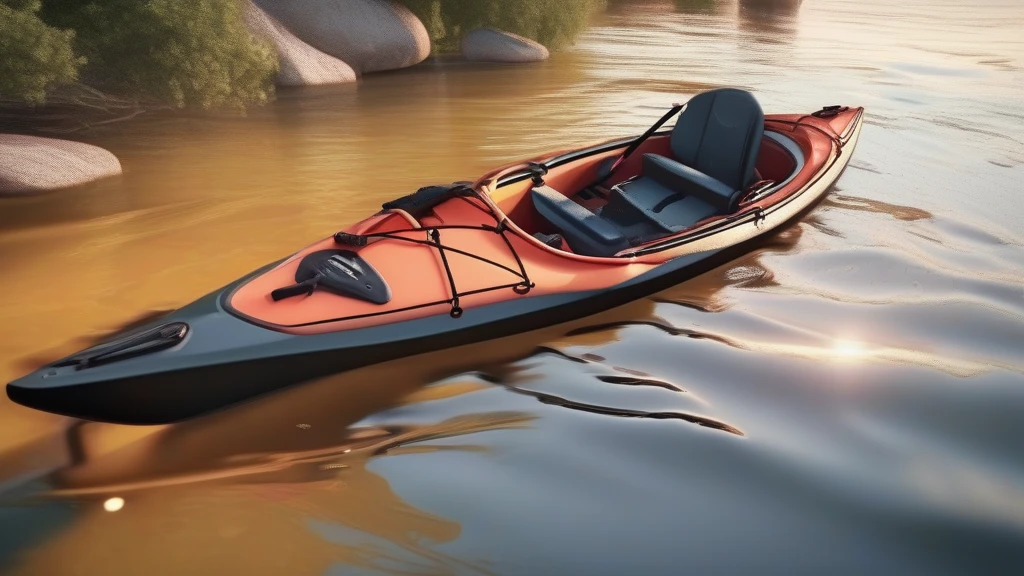
Boating and rafting enthusiasts know that safety and convenience go hand in hand when enjoying water adventures. Whether you’re paddling a kayak on a tranquil lake or maneuvering a canoe through rapids, reliable hardware plays a crucial role in protecting your gear and ensuring a smooth experience. Two often overlooked but vital components are quick-release straps and secure handle replacements. Proper use and maintenance of these accessories can significantly enhance your safety on the water and prevent costly damages or accidents.
In this article, we’ll explore essential safety tips for selecting, using, and maintaining quick-release straps and handle replacements designed for kayaks and canoes. You’ll gain practical insights to help you make informed decisions, optimize your gear setup, and enjoy peace of mind during every outing.
Why Quick-Release Straps and Secure Handles Matter
The Role of Quick-Release Straps
Quick-release straps serve as an efficient fastening system to secure gear, paddles, or even parts of your watercraft during transport or on the water. Unlike traditional straps, they integrate a fast-action buckle or cam mechanism allowing you to tighten or loosen the strap rapidly without fumbling. This feature is invaluable in emergencies when you need to detach equipment swiftly or adjust tension on the fly.
Key benefits include:
- Enhanced safety: Prevents unexpected gear shifts or loss that could destabilize your craft.
- Improved convenience: Saves time during loading/unloading and emergency situations.
- Versatility: Compatible with various mounting points, including handles, brackets, and frames.
The Importance of Secure Handle Replacements
Handles on kayaks and canoes provide critical grip points for carrying, lifting, and securing your watercraft. Over time, handles can wear out, weaken, or break due to UV exposure, saltwater corrosion, or repeated stress. Installing a durable, ergonomic handle replacement:
- Improves carry comfort and reduces fatigue
- Ensures safe transportation, minimizing the risk of dropping your craft
- Acts as a reliable tie-down point for straps and other gear fasteners
- Enhances overall hull integrity by using corrosion-resistant and weatherproof materials
Choosing the Right Quick-Release Straps and Handles
Material Considerations
When selecting these accessories, material quality is paramount. Look for:
- Corrosion resistance: Stainless steel buckles and marine-grade anodized aluminum parts resist rust and degradation in wet environments.
- UV and weather resistance: High-impact nylon or composite plastics with UV-protective coatings prevent brittleness and cracking from sun exposure.
- Eco-friendly options: Non-toxic, biodegradable materials and marine-safe coatings help reduce environmental impact without compromising durability.
Fit and Compatibility
Ensure the straps and handles match your specific watercraft model or have universal fit options. Key points include:
- Strap width and length: Must accommodate your gear size and mounting points.
- Mounting hardware: Check if handles require screws, bolts, or clamps and if these are included.
- Load capacity: Verify the maximum weight the strap or handle can safely support, especially for heavy kayaks or loaded canoes.
Installing Quick-Release Straps Safely: Step-by-Step Guide
- Identify mounting points: Choose sturdy, reinforced areas on your boat’s hull or frame, such as pre-drilled holes or existing brackets.
- Clean surfaces: Remove dirt, salt residue, and old adhesive to ensure a secure bond.
- Attach mounting hardware: Use corrosion-resistant screws or clamps provided with your strap kit. Tighten firmly but avoid over-torquing to prevent hull damage.
- Thread the strap: Feed the strap through the quick-release buckle according to manufacturer instructions. Ensure the strap lies flat without twists.
- Test tension: Pull the strap tight to secure your gear. Practice releasing the buckle to familiarize yourself with the mechanism.
- Inspect regularly: Before each trip, check for fraying, buckle function, and mounting stability.
Installing and Maintaining Replacement Handles
Installation Tips
- Remove old handles carefully: Use appropriate tools to avoid damaging the hull.
- Select compatible replacements: Match hole spacing and mounting method.
- Use marine-grade sealants: Apply waterproof silicone or sealant around mounting holes to prevent water intrusion.
- Tighten fasteners securely: Use stainless steel bolts or screws and torque evenly.
- Check ergonomics: Ensure handles are comfortable to grip and positioned for balanced carrying.
Maintenance Advice
- Rinse after use: Freshwater rinse to remove salt and debris.
- Inspect for cracks or looseness: Address wear promptly to avoid handle failure.
- Apply UV protectant: Use marine-safe sprays to extend handle life.
- Lubricate moving parts: For handles with hinges or swivels, apply corrosion-resistant lubricants.
Safety Best Practices When Using Quick-Release Straps and Handles
- Do not exceed load limits: Overloading can cause straps or handles to fail, risking injury or equipment loss.
- Use multiple straps for heavy loads: Distribute weight evenly and secure all loose gear.
- Avoid sharp edges: Protect straps from abrasion by routing them away from rough surfaces or using padding.
- Test emergency release: Practice quick-release mechanisms on land so you can react confidently in urgent situations.
- Regularly inspect all hardware: Replace any worn or damaged components immediately to maintain integrity.
Environmental and Durability Considerations
Investing in certified, eco-friendly boating accessories supports sustainability and long-term reliability. Look for products with:
- ISO, TÜV, or Marine Safety certifications ensuring tested quality and safety.
- Non-toxic, biodegradable materials that minimize harm to waterways.
- Weatherproof coatings that extend lifespan, reducing waste and replacement frequency.
By choosing durable, environmentally responsible straps and handles, you contribute to preserving the natural beauty of your favorite paddling destinations.
Conclusion
Quick-release straps and secure handle replacements are more than simple hardware items—they are vital safety features that improve your boating and rafting experience. Selecting high-quality, corrosion-resistant materials and following proper installation and maintenance procedures will ensure your gear stays secure and your watercraft remains easy to handle.
By incorporating these essential safety tips, you’ll enhance your confidence on the water, reduce the risk of accidents, and protect your investment for many paddling adventures to come. Remember, the right hardware paired with good habits is a cornerstone of enjoyable and safe outdoor recreation.