
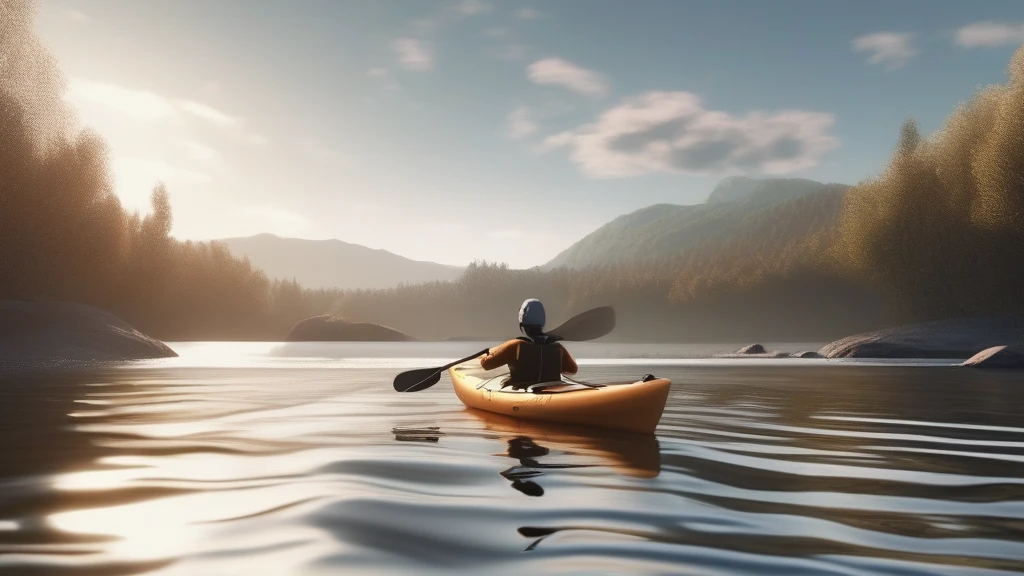
Flatwater kayaking offers a serene and accessible way to connect with nature, improve fitness, and enjoy leisurely exploration. Designed specifically for calm environments such as lakes, bays, and gentle rivers, flatwater kayaks provide stability, comfort, and ease of use for paddlers of all skill levels. Whether you're a beginner eager to try your first paddle or an experienced kayaker seeking new tranquil waters to explore, choosing the right destination is key to a rewarding outing.
In this article, we’ll guide you through some of the best flatwater kayaking destinations ideal for recreational paddlers. Along the way, you'll also find practical tips on what to look for when selecting a kayak for these environments and how to maximize your experience on calm water.
What Makes a Destination Ideal for Flatwater Kayaking?
Before diving into specific locations, it’s helpful to understand the characteristics that make a water body suitable for flatwater kayaks:
- Calm Conditions: Flatwater kayaks thrive on lakes, slow-moving rivers, sheltered bays, and coastal waters with minimal waves or currents. These conditions ensure stability and ease of paddling.
- Scenic and Accessible: Destinations with picturesque surroundings, wildlife, and easy launch points enhance the enjoyment of your trip.
- Safety and Amenities: Access to emergency services, nearby parking, restrooms, and rental facilities can be important for beginners and casual paddlers.
- Varied Routes: Options for short day trips or longer explorations allow paddlers to tailor their adventure to their fitness and skill levels.
Top Flatwater Kayaking Destinations for Recreational Paddlers
1. Tranquil Lakes
Lakes are quintessential flatwater spots, offering broad expanses of calm water perfect for leisurely paddling.
- Why Lakes? Their stillness minimizes the challenges posed by waves or currents, making them ideal for beginners and families.
- What to Expect: Gentle winds can cause some chop, but most lakes provide sheltered bays or coves where paddling is smooth.
- Examples: Look for lakes with clear water, natural shorelines, and diverse wildlife. Many state and national parks feature kayak-friendly lakes with rental options and guided tours.
2. Slow-Moving Rivers and Canals
Rivers with gentle currents or man-made canals can offer a peaceful paddling experience with a touch of adventure.
- Why Rivers/Canals? The slight flow aids forward movement without overwhelming beginners. The changing scenery and occasional wildlife sightings add interest.
- What to Expect: Watch for areas with shallow waters or debris; pack gear to protect from occasional splashes.
- Examples: Explore rivers that meander through forested or rural landscapes, or urban canals that provide a unique perspective on city life.
3. Protected Coastal Bays and Harbors
Sheltered coastal areas shielded from open ocean waves create excellent flatwater conditions along saltwater environments.
- Why Bays/Harbors? These areas combine the appeal of marine wildlife and tidal ecosystems with the safety of calm waters.
- What to Expect: Tidal changes can affect water depth and currents; check tide charts and local conditions before launching.
- Examples: Choose locations with sandy beaches or docks for easy access, and consider guided eco-tours to learn about local marine life.
4. Reservoirs and Man-Made Lakes
Often located near urban areas, reservoirs provide convenient access to flatwater paddling with amenities close at hand.
- Why Reservoirs? They tend to have regulated water levels and limited boat traffic, enhancing safety.
- What to Expect: Some reservoirs may restrict motorized boats, making them quieter and more relaxing.
- Examples: Many reservoir parks have picnic areas, trails, and rental facilities to complement your kayaking outing.
Choosing the Right Flatwater Kayak for Your Destination
Your choice of kayak can significantly impact your enjoyment and safety on the water. Here are key factors to consider:
Stability and Hull Design
Flatwater kayaks often feature wider hulls to maximize stability, which is beneficial for beginners or those paddling with gear. A longer hull improves tracking for straight-line paddling across lakes or reservoirs.
Weight and Portability
Lightweight materials such as rotomolded polyethylene or thermoformed ABS make transport easier, especially if your destination requires a hike from your vehicle to the launch point. Integrated carrying handles or shoulder straps add convenience.
Seating and Comfort
Adjustable, ergonomic seats with good back support enhance comfort during longer excursions. Some kayaks offer convertible seating for tandem paddling, a great option for sharing the experience with a partner.
Storage and Gear Management
Deck bungees and storage hatches provide space to secure essentials like water bottles, snacks, and safety gear. If you plan on longer paddles, consider kayaks with ample storage to keep items dry and accessible.
Safety Features
Look for kayaks certified by safety organizations and equipped with reflective decals or bright colors for visibility. Rudder systems help with steering in crosswinds or currents, while spray skirts can keep you dry in light rain or splashes.
Tips for a Successful Flatwater Kayaking Trip
- Check Weather and Water Conditions: Calm waters can quickly become challenging with changing weather. Always check forecasts and water levels before heading out.
- Wear Appropriate Gear: Lightweight, moisture-wicking clothing and a personal flotation device are essential. Don’t forget sun protection, including hats and sunscreen.
- Practice Basic Techniques: Familiarize yourself with efficient paddle strokes, steering with rudders if available, and how to safely enter and exit your kayak.
- Pack Smart: Bring a dry bag for electronics, water, snacks, and a small first aid kit. Consider a whistle or signaling device for emergencies.
- Leave No Trace: Respect wildlife and natural habitats. Pack out all trash and avoid disturbing plants or animals.
Enhancing Your Flatwater Kayaking Experience
To get the most out of your outings, consider integrating flatwater kayaking into a broader fitness or adventure routine. Paddling offers a low-impact full-body workout that builds endurance and core strength. Many paddlers find joy in setting distance goals or exploring new waterways regularly.
Joining local paddling groups or participating in guided tours can deepen your knowledge and introduce you to hidden gems. Sharing your passion also enhances community connections and safety.
Conclusion
Flatwater kayaking is a versatile and rewarding way to explore calm waters, combining physical activity with the tranquility of nature. By choosing destinations like tranquil lakes, slow rivers, protected bays, or reservoirs, recreational paddlers can enjoy safe, scenic adventures tailored to their skill and fitness levels.
Selecting the appropriate flatwater kayak—one that balances stability, portability, comfort, and safety—further elevates the experience. With thoughtful preparation and respect for the environment, every paddle outing can become a memorable and rejuvenating journey.
Whether you’re seeking solitude on a quiet lake or the gentle rhythm of a coastal bay, flatwater kayaking opens a gateway to peaceful exploration and lasting connection with the water.