
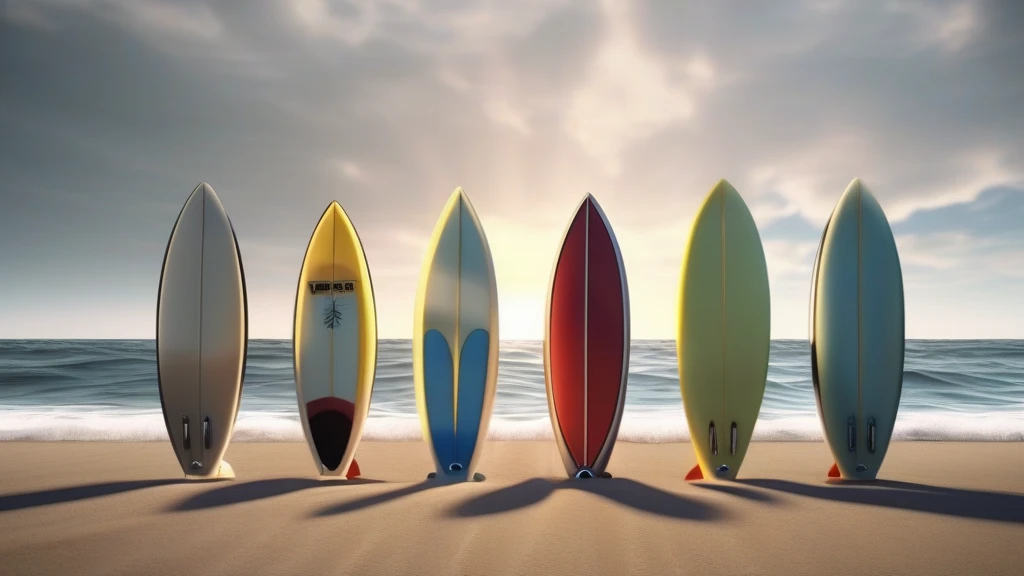
When it comes to shortboard surfboards, one of the most influential factors affecting performance and ride experience is the fin setup. Fin configurations play a critical role in how a board handles speed, maneuverability, stability, and control. For surfers looking to improve their skills or fine-tune their equipment, understanding the differences between thruster, quad, twin, and single fin systems is essential.
This article takes a deep dive into these common fin setups, explaining how each configuration impacts the board’s behavior on the wave. Whether you’re an intermediate surfer honing freestyle tricks or an advanced rider seeking precision in competitive conditions, this guide will help you make informed decisions about your shortboard’s fin system.
Why Fin Configurations Matter
Fins act as underwater stabilizers and rudders, providing grip and directional control while preventing the board from sliding sideways on the face of the wave. The number, size, placement, and shape of fins influence how the board responds to turns, accelerations, and wave types.
Shortboards typically use detachable fin systems, allowing surfers to customize their setups based on wave conditions, surfing style, or personal preference. Understanding the trade-offs and benefits of different fin configurations can help you optimize your board’s performance, whether you prioritize sharp maneuvers, speed, or smooth carving.
Thruster (Three-Fin) Setup: The Classic All-Rounder
Overview
The thruster setup, featuring three fins—two side fins and a smaller center fin—is the most popular fin configuration on shortboards. It was pioneered in the 1980s and quickly became the standard for balancing speed, control, and maneuverability.
Performance Characteristics
- Stability and Drive: The center fin provides directional stability, while the side fins generate drive and hold during turns.
- Versatility: Thrusters perform well in a variety of wave conditions, from small beach breaks to steeper, hollow waves.
- Control: This setup allows surfers to make tight, quick turns with excellent grip on the wave face.
- Balance: The configuration offers a good balance between speed and control, making it ideal for surfers progressing from intermediate to advanced levels.
Ideal Use Cases
- Surfing waves with moderate to steep faces
- Executing sharp cutbacks and aerial maneuvers
- Versatile conditions including beach breaks and reef breaks
Quad (Four-Fin) Setup: Speed and Loose Feel
Overview
The quad setup consists of four fins—two on each side, usually without a center fin. This design emphasizes speed and a looser feel compared to the thruster.
Performance Characteristics
- Increased Speed: Without the drag of a center fin, the board accelerates faster, especially in smaller or mushier waves.
- Loose and Skatey Turns: Quads allow for tighter, more flowing turns with a surfboard that feels more responsive and less locked in.
- Enhanced Drive: The paired side fins generate significant thrust down the line.
- Less Stability: The lack of a center fin means slightly less control in steep or choppy conditions.
Ideal Use Cases
- Small to medium waves where speed is crucial
- Surfing beach breaks or mellow point breaks
- Riders looking for a playful, loose surfing style
Twin Fin Setup: Skate-Like Agility
Overview
Twin fins feature just two fins placed near the rails, typically larger than side fins in thruster setups. This configuration is favored for its smooth, skate-like riding experience.
Performance Characteristics
- Maximum Maneuverability: Twin fins allow for quick directional changes and smooth, flowing turns.
- Speed in Small Waves: They generate good speed on smaller surf due to reduced drag.
- Less Hold on Steep Waves: The absence of a center fin can reduce grip and control when riding steep or powerful waves.
- Loose Feel: The ride feels looser and more playful but requires greater skill to maintain control.
Ideal Use Cases
- Small to medium-sized waves
- Surfers seeking a retro or alternative style board feel
- Freestyle surfing and smooth carving
Single Fin Setup: Classic Stability and Smooth Turns
Overview
Single fin surfboards have one large fin centered near the tail. While less common on modern shortboards, single fins remain popular in retro-style boards and longboards.
Performance Characteristics
- Smooth, Flowing Turns: The single fin provides a stable pivot point for long, drawn-out turns.
- Less Maneuverable: Compared to multi-fin setups, single fins offer less agility and slower responsiveness.
- Stable Tracking: Excellent for maintaining a straight line and cruising down the wave.
- Reduced Speed: More drag means slower acceleration, especially in weaker waves.
Ideal Use Cases
- Classic, retro-style shortboards and longboards
- Surfers prioritizing smooth, arcing turns
- Small to medium waves with a mellow pace
Choosing the Right Fin Configuration for Your Surfing Style
Selecting a fin system depends on your skill level, preferred wave conditions, and the type of surfing you want to do:
- Intermediate surfers often start with thruster setups for their all-around balance.
- Advanced surfers may switch between thruster and quad setups depending on wave size and desired speed.
- Freestyle or alternative surfers might prefer twin fins for their playful, loose feel.
- Retro enthusiasts or those seeking smooth cruising might opt for single fins.
Additional Considerations: Fin Materials and Adjustability
Modern surfboard fins come in materials ranging from flexible fiberglass to rigid carbon fiber composites. The choice affects durability, flex, and responsiveness:
- Fiberglass fins offer a good balance of flexibility and strength.
- Carbon fiber fins tend to be stiffer with quicker response, favored by performance surfers.
- Plastic or composite fins are common in beginner setups for durability and affordability.
Detachable fin systems allow surfers to experiment with different setups or swap fins for travel convenience. Adjustable fin boxes enable fine-tuning fin placement for personalized performance.
Conclusion
Understanding the strengths and trade-offs of thruster, quad, twin, and single fin systems empowers surfers to tailor their shortboard’s performance to their unique style and wave conditions. Whether you prioritize speed, maneuverability, control, or smooth cruising, the right fin configuration enhances your connection with the wave and elevates your surfing experience.
Next time you evaluate a shortboard, consider how the fin setup aligns with your surfing goals. Armed with this knowledge, you’ll ride smarter, surf better, and enjoy every wave to its fullest potential.