
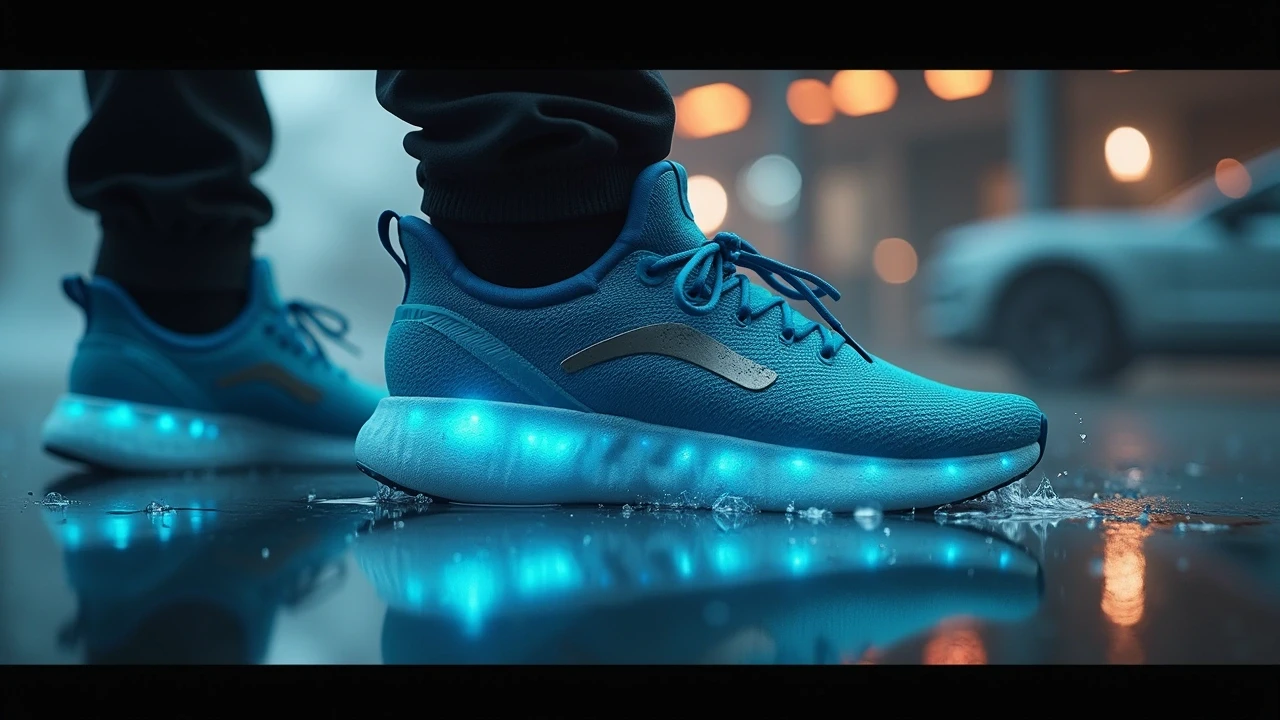
Footwear has come a long way from simple protection for the feet. Today’s modern shoes blend advanced technology with thoughtful design to meet the varied demands of active lifestyles. Whether you’re heading out for a paddleboarding session, navigating busy city streets, or slipping into something comfortable for everyday errands, innovations in footwear materials and features play a critical role in enhancing performance, safety, and comfort.
In this article, we explore the cutting-edge technologies shaping footwear across three popular categories—water shoes, urban sneakers, and casual slip-ons. We’ll dive into how quick-dry fabrics, anti-slip soles, ergonomic designs, and sustainable materials are transforming the way we experience shoes.
Quick-Dry Fabrics: Staying Comfortable in Wet and Humid Conditions
One of the standout innovations in modern footwear is the incorporation of quick-dry fabrics, especially in water shoes and barefoot designs. Traditional shoes often trap moisture, leading to discomfort, blistering, and unpleasant odors. Quick-dry textiles, such as specialized polyesters and breathable neoprene, address these issues by efficiently wicking away water and allowing rapid evaporation.
How Quick-Dry Materials Work
Quick-dry fabrics are engineered with hydrophobic fibers that repel water or have enhanced moisture-wicking capabilities. They often feature open weaves or mesh panels that boost ventilation, facilitating airflow and speeding up drying times. This technology is crucial for water shoes designed for activities like hiking through streams, surfing, or paddleboarding, where feet are frequently exposed to water.
Benefits for the Wearer
- Comfort: Feet stay drier and cooler, reducing the risk of irritation.
- Hygiene: Less moisture means fewer bacteria and fungi, helping prevent infections.
- Durability: Quick-dry materials resist water damage and maintain shape and flexibility.
- Versatility: Shoes can transition from wet to dry environments without compromising performance.
In casual and urban footwear, quick-dry fabrics also contribute to comfort during hot weather or unexpected rain, making shoes more adaptable to changing conditions.
Anti-Slip Technologies: Enhancing Traction and Safety
Another critical advancement is in sole design and materials that provide superior grip across various surfaces. Whether walking on slippery rocks by a river or skating through urban terrain, anti-slip technologies are vital for safety and confidence.
The Science Behind Non-Slip Soles
Modern anti-slip soles combine specialized rubber compounds with textured tread patterns to maximize friction. Manufacturers employ multi-directional grooves, siping (thin slits), and raised lugs to channel water away and increase contact with uneven surfaces. Some soles also feature softer rubber blends that remain pliable in cold weather, preserving traction.
Application Across Footwear Types
- Water Shoes: Non-slip soles prevent accidental slips on wet rocks, docks, and boat decks, often incorporating drainage holes to reduce water buildup.
- Urban Sneakers: Anti-slip soles cater to skaters and commuters alike, providing stability on pavement, stairs, and slick urban surfaces.
- Casual Slip-Ons: Even lightweight casual shoes benefit from grip-enhancing soles, offering confidence during daily walks or light outdoor use.
Enhanced traction technologies reduce injury risk and encourage active lifestyles by allowing wearers to focus on their activities rather than footing.
Ergonomic Designs: Prioritizing Foot Health and Comfort
Footwear innovation also embraces ergonomics to promote natural movement and long-term foot health. Features like arch support, cushioned insoles, and flexible soles are thoughtfully integrated across all footwear categories to improve comfort and reduce fatigue.
Why Ergonomics Matter
The structure of your shoe directly impacts posture, joint alignment, and overall comfort. Poorly designed footwear can lead to foot pain, plantar fasciitis, and other musculoskeletal issues. Ergonomically designed shoes help:
- Support the foot’s natural arches
- Absorb shock during impact
- Allow for a natural range of motion
- Adapt to individual foot shapes via adjustable closures
Ergonomic Innovations in Practice
- Adjustable Closures: Lace-up systems, Velcro straps, and quick-toggle mechanisms enable personalized fit, reducing pressure points and blisters.
- Cushioned Insoles: Memory foam or eco-friendly EVA foam insoles conform to the foot, providing tailored comfort.
- Flexible Outsoles: Soles engineered with segmented flex grooves encourage natural foot bending and responsiveness.
These elements combine to make shoes feel like an extension of the body, whether on a rocky trail, busy street, or casual stroll.
Sustainability in Footwear: Eco-Friendly Materials and Manufacturing
As environmental awareness grows, sustainability has become a cornerstone of modern footwear design. Many brands and manufacturers now prioritize recyclable materials, low-impact production, and non-toxic coatings to reduce their ecological footprint.
Sustainable Materials
- Eco-Friendly EVA Foam: Derived from non-petroleum sources or incorporating recycled content, this cushioning material offers comfort without compromising the planet.
- Recycled Polyester and Neoprene: Fabrics made from recycled plastics reduce waste and conserve resources.
- Recyclable Synthetic Fabrics: Designed for durability and eventual recycling, helping to close the product lifecycle loop.
Environmentally Conscious Manufacturing
- Use of water-based adhesives and non-toxic dyes minimizes harmful chemical use.
- Low carbon footprint processes focus on energy efficiency and waste reduction.
- Modular designs allow easy repair or replacement of worn components.
For consumers, choosing sustainable footwear aligns their purchasing decisions with values of environmental responsibility, encouraging a more circular economy.
Style and Versatility: Marrying Function with Fashion
While performance and comfort are paramount, style remains a driving factor in footwear innovation. Vibrant colorways, minimalist aesthetics, and multi-use capabilities allow wearers to seamlessly switch between environments and activities without sacrificing appearance.
- Water Shoes: Sleek, colorful designs make them suitable for both aquatic adventure and casual outings.
- Urban Sneakers: High-tops and streetwear-inspired silhouettes blend durability with fashion-forward appeal.
- Casual Slip-Ons: Simple yet elegant, these shoes complement everyday attire while delivering breathable comfort.
This versatility supports active consumers seeking footwear that adapts to their dynamic lifestyles.
Conclusion
The fusion of quick-dry fabrics, anti-slip sole technologies, ergonomic design, and sustainable materials underscores a new era of footwear innovation. These advancements address practical needs—whether keeping feet dry by the water, maintaining grip on unpredictable urban surfaces, or ensuring all-day comfort during daily routines.
For consumers, understanding these technologies empowers smarter choices that enhance safety, comfort, and environmental impact. As footwear continues to evolve, staying informed about these innovations helps you find the perfect pair tailored to your adventures, style, and values.