
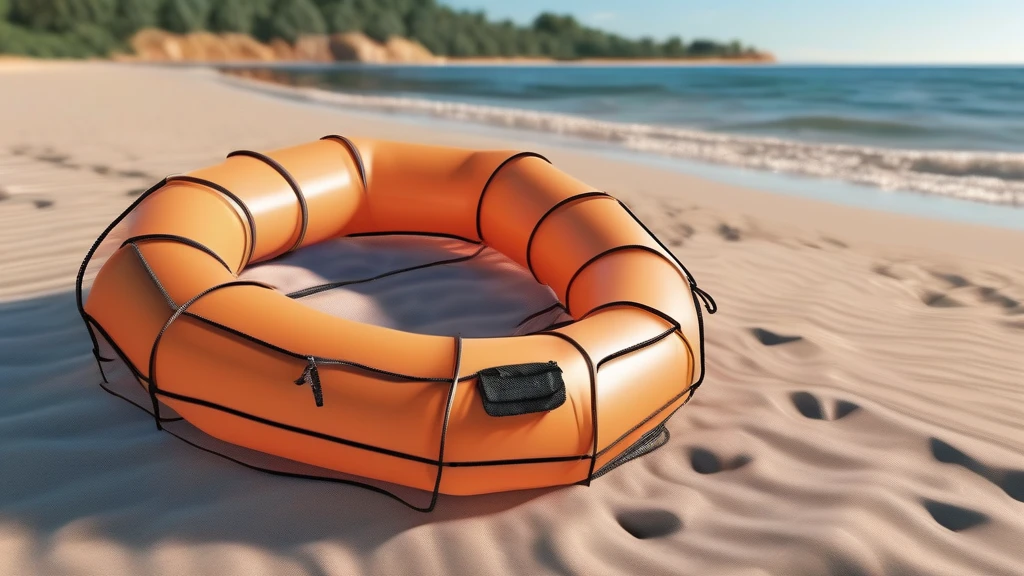
Inflatable rafts and floats have long been a staple for water-based recreation, offering a fun, versatile way to enjoy lakes, pools, and calm seaside environments. As these products evolve, one of the most significant areas of advancement lies in the materials used and their durability. For families, friends, and water enthusiasts looking to invest in a large inflatable raft, understanding these innovations can make all the difference in selecting a product that combines safety, comfort, and longevity.
In this article, we explore the latest breakthroughs in inflatable raft materials and durability, helping you make an informed choice for your next water adventure.
Why Material Quality Matters in Inflatable Rafts
The Role of Materials in Durability and Performance
Inflatable rafts and floats are subjected to a variety of stresses—sun exposure, water, rough handling, and contact with surfaces like sand or rocks. The material composition is critical to how well a raft withstands these conditions over time.
High-quality materials contribute to:
- Enhanced puncture and tear resistance
- Improved UV protection to prevent fading and degradation
- Greater flexibility and comfort without sacrificing strength
- Better air retention for prolonged buoyancy
Understanding these factors helps buyers evaluate product longevity and value.
Traditional Materials vs. Modern Innovations
PVC: The Classic Choice with Modern Tweaks
Polyvinyl chloride (PVC) has been the go-to material for inflatable water toys due to its affordability and waterproof nature. However, traditional PVC can be prone to cracking or weakening after prolonged sun exposure.
Recent innovations include:
- Laminated PVC layers: Multiple layers bonded together provide extra thickness and resilience.
- UV-resistant coatings: These protect the surface from sun damage, extending the raft’s usable life.
- Reinforced seams: Heat-welded or double-stitched seams reduce the risk of leaks and tears.
These improvements make PVC-based rafts more durable and reliable than earlier versions.
Thermoplastic Polyurethane (TPU): The Next-Generation Material
Thermoplastic polyurethane (TPU) is emerging as a premium alternative for inflatable rafts, offering superior durability and environmental benefits.
Key advantages of TPU include:
- Exceptional abrasion resistance: TPU withstands scrapes from rough surfaces, making it ideal for beach and lake use.
- Increased elasticity: This allows the raft to flex without cracking or losing shape.
- Eco-friendliness: TPU is more recyclable and produces fewer toxic byproducts than PVC.
- Lightweight yet strong: This enhances portability without compromising sturdiness.
Although typically found in higher-end products, TPU represents a significant trend toward longer-lasting, environmentally conscious inflatables.
Innovations Enhancing Durability and User Experience
Multi-Layered Construction Techniques
Manufacturers are now employing advanced multi-layered fabric constructions that combine different materials for optimum performance. For example, a base layer might offer toughness and puncture resistance, while an outer layer provides UV protection and smooth texture.
This layered approach results in rafts that:
- Resist punctures and abrasions more effectively
- Maintain vibrant colors longer, even under intense sun
- Feel more comfortable to the touch for lounging and play
Reinforced Edges and Load-Bearing Zones
Recognizing that certain parts of an inflatable raft—such as edges, handles, and seating areas—experience more stress, innovations include reinforced panels or thicker material zones in these critical spots. This targeted reinforcement helps prevent common failures and supports multiple users safely.
Anti-Leak Valve Improvements
Durability isn’t just about the material fabric; it also involves air retention. New valve designs feature:
- One-way inflation valves that minimize air loss
- Double-seal technology to prevent accidental deflation
- Easy-to-use caps that maintain airtight conditions without complicated mechanisms
These refinements contribute to longer-lasting buoyancy and user convenience.
Practical Tips for Choosing Durable Inflatable Rafts
Match Material to Your Usage Environment
- For pool-only use, high-quality PVC with UV protection may suffice.
- For lake or beach outings involving rougher surfaces, consider TPU or multi-layered rafts for extra abrasion resistance.
- If you plan extended use under intense sun, prioritize rafts with reinforced UV coatings.
Consider Group Size and Weight Capacity
Durability also depends on how well the raft supports your group. Larger rafts with reinforced structures and thicker materials are better suited for 3–4 users, while smaller models designed for 2 people may use lighter but still durable construction.
Check for Warranty and Repair Options
Manufacturers investing in high-quality materials often back their products with better warranties. Look for rafts with repair kits and clear instructions, enabling you to address minor punctures and extend the raft’s lifespan.
Maintaining Your Inflatable Raft for Maximum Longevity
Even the most durable materials benefit from proper care. Here are essential maintenance tips:
- Rinse after each use: Remove salt, sand, and chlorine buildup which can degrade materials.
- Avoid prolonged sun exposure: When not in use, store the raft in shade or indoors.
- Inspect seams and valves regularly: Early detection of wear or leaks helps prevent bigger problems.
- Use protective ground cloths: When inflating on rough surfaces, a protective barrier safeguards the raft’s bottom.
- Deflate and store properly: Fully dry the raft before rolling it up and storing it in a cool, dry place.
The Future of Inflatable Rafts: Sustainability and Smart Features
Looking ahead, innovation in inflatable raft materials is increasingly focused on sustainability and user convenience. Biodegradable materials and recycled fabrics are gaining traction, reducing environmental impact without sacrificing durability.
Additionally, integrated smart features such as pressure sensors or self-inflation technology may soon become standard, further enhancing ease of use and safety.
Conclusion
The world of inflatable rafts and floats is evolving rapidly, with material innovations driving advances in durability, comfort, and environmental responsibility. Whether you seek a vibrant raft for family fun, a robust float for active water games, or a relaxing platform for sunbathing, understanding these material trends helps you select a product that will stand up to the elements and provide lasting enjoyment.
By prioritizing high-quality materials like enhanced PVC laminates or TPU, paying attention to construction details, and practicing proper maintenance, you can maximize the lifespan of your inflatable raft. This ensures your outdoor water experiences remain safe, fun, and memorable season after season.