
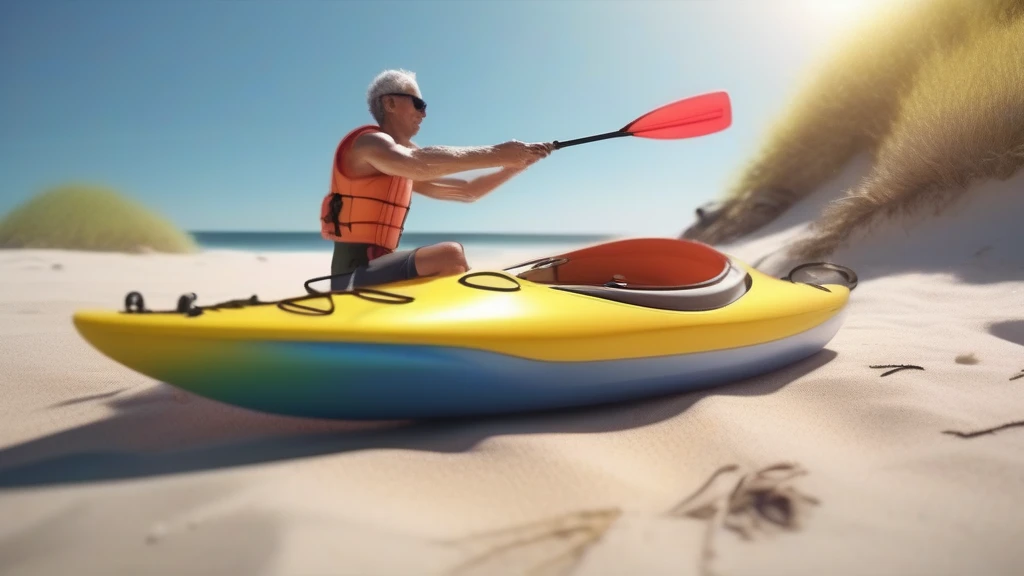
Owning a high-performance sea kayak designed for coastal exploration or long-distance touring is an investment in adventure and fitness. These kayaks are crafted from advanced materials like carbon fiber, Kevlar, rotomolded polyethylene, fiberglass, and more, balancing lightweight design with durability and UV resistance. However, even the sturdiest kayaks require thoughtful maintenance and protection to maintain their performance and appearance over time. This guide shares expert tips on caring for your kayak, focusing especially on strategies to shield it from the sun’s damaging ultraviolet (UV) rays and keep it in top shape for many paddling seasons ahead.
Understanding the Impact of UV Exposure on Your Kayak
Why UV Protection Matters
Kayaks used for tidal water navigation, coastal touring, or lake expeditions often spend extended periods exposed to sunlight. UV radiation can gradually degrade kayak materials by breaking down polymers, leading to fading, brittleness, and surface cracking. Even UV-resistant materials like high-density polyethylene or fiberglass can suffer over years without proper care.
UV damage not only affects your kayak’s aesthetics but can also compromise structural integrity, reducing its ability to withstand impacts or rough handling. By implementing effective UV protection strategies, you preserve your kayak’s strength, flexibility, and longevity.
Recognizing Signs of UV Damage
Regular inspections help catch early signs of UV deterioration:
- Fading or discoloration of the kayak’s surface
- Chalky or powdery residue indicating polymer breakdown
- Surface brittleness or small cracks, especially near stress points
- Weakening or warping of plastic components such as deck fittings or hatches
Addressing these issues early through cleaning, protective treatments, and storage can prevent costly repairs or premature replacement.
Routine Maintenance Practices for Longevity
Cleaning After Every Use
Saltwater, sand, dirt, and algae build-up can accelerate wear on your kayak’s materials and accessories. After each outing:
- Rinse the kayak thoroughly with fresh water to remove salt and debris.
- Use a mild soap or kayak-specific cleaner with a soft sponge to clean the hull, cockpit, and deck.
- Avoid harsh chemicals or abrasive scrubbers that can damage finishes.
- Pay special attention to storage hatch seals and spray skirt attachments to prevent mold or mildew.
Allow your kayak to dry completely before storage to reduce the risk of corrosion on metal parts or growth of mold.
Inspecting and Maintaining Hardware
Check and maintain the kayak’s fittings regularly:
- Examine deck bungees, handles, and toggles for signs of fraying or loosening.
- Lubricate rudders, skegs, and adjustable seating mechanisms with appropriate silicone-based lubricants.
- Tighten any loose screws or bolts to avoid rattling or failure during paddling.
Replacing worn parts promptly ensures safety and maintains the kayak’s performance on the water.
Seasonal Deep Care
At the start and end of paddling seasons, perform a comprehensive maintenance routine:
- Inspect the hull for scratches, dents, or cracks; small surface scratches can often be buffed out.
- Clean and condition any rubber or neoprene spray skirts and cockpit covers.
- Check compatibility and condition of paddles and other gear, replacing worn components.
- Apply UV protective treatments (discussed below) to the kayak’s exterior surfaces.
Consistent upkeep helps your kayak remain reliable for extended excursions and fitness paddling sessions.
Effective UV Protection Strategies
Choosing the Right Storage Location
Where and how you store your kayak significantly influences UV exposure:
- Indoor Storage: The best option to shield your kayak from sunlight is a garage, shed, or dedicated indoor space.
- Shaded Outdoor Storage: If indoor space is unavailable, store the kayak under a canopy, tarp, or shade structure that blocks direct sunlight.
- Cover Your Kayak: Use a breathable, UV-resistant kayak cover to protect the hull and deck during storage and transport. Ensure the cover fits well to avoid moisture buildup.
Avoid leaving your kayak uncovered on the ground or exposed to prolonged sun during off-seasons to minimize UV damage.
Applying UV Protectant Sprays and Waxes
Several products are formulated specifically for kayak care to enhance UV resistance:
- UV Protective Sprays: These sprays form a thin protective layer that absorbs UV rays and restores some color vibrancy. Apply after cleaning and drying your kayak.
- Marine-Grade Waxes: A layer of wax can add gloss and create a barrier against UV and saltwater exposure. Use waxes compatible with your kayak’s material.
- Silicone-Based Protectants: Some silicone sprays provide water-repellent properties and mild UV protection for plastic and rubber parts.
Always follow manufacturer instructions and test any product on a small area to ensure compatibility.
Using Tinted or UV-Resistant Accessories
Consider upgrading to accessories that help mitigate UV exposure:
- Spray Skirts and Cockpit Covers: Opt for UV-resistant neoprene or nylon materials that reduce sun penetration into the kayak’s interior.
- Deck Bungees and Straps: Replace faded or brittle elastics with UV-stabilized replacements.
- Paddles: Use paddles with UV-resistant shafts and blades to prolong their lifespan.
These details contribute to overall kayak longevity, especially for paddlers frequently adventuring in bright, sunny environments.
Transport and Handling Tips to Prevent Damage
Proper Loading and Securing
When transporting your kayak:
- Use padded racks or cradles that evenly distribute weight and prevent pressure points.
- Secure the kayak with UV-resistant straps to avoid chafing or shifting.
- Cover the kayak during transport to limit sun exposure on long drives.
Gentle Handling
Minimize impacts and abrasions by:
- Avoiding dragging the kayak on abrasive surfaces.
- Lifting with proper techniques using integrated handles or carrying systems.
- Using protective pads or bags when storing or moving the kayak off the water.
These habits reduce the risk of scratches and structural damage that can be exacerbated by UV weakening.
Conclusion
Extending the lifespan of your sea or touring kayak starts with understanding how UV rays and environmental factors affect its materials. Through regular cleaning, inspection, and the use of protective products and proper storage, you safeguard your investment and ensure reliable performance for every coastal expedition or fitness paddle. By integrating these expert maintenance and UV protection strategies into your routine, your kayak will remain a trusted companion for years of thrilling adventures on tidal waters, bays, and open oceans.