
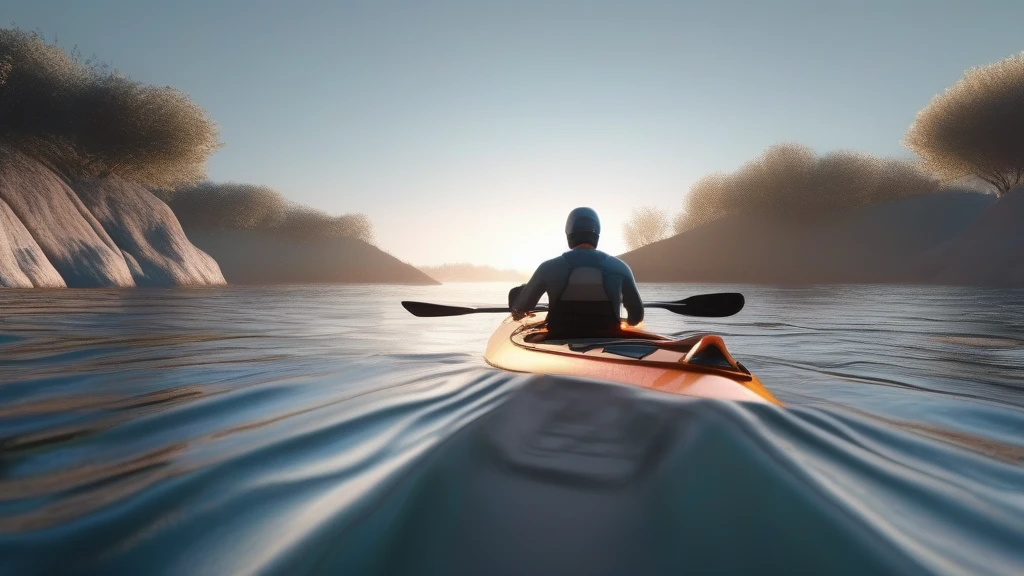
Sea kayaking is an exhilarating outdoor activity that combines adventure, nature, and fitness. Unlike recreational kayaking on calm lakes or rivers, sea kayaking demands sustained endurance, core strength, and refined paddling techniques to navigate coastal waters, tidal zones, and open oceans. For enthusiasts aiming to boost their fitness and prepare for long-distance paddling expeditions, sea kayaks offer an excellent platform for targeted training. This article explores how sea kayaking can serve as an effective fitness regimen, highlighting the physical benefits, training tips, and considerations for selecting appropriate kayaks and gear.
Why Choose Sea Kayaking for Fitness Training?
Sea kayaking engages multiple muscle groups and cardiovascular systems simultaneously, promoting full-body fitness with low-impact exertion. Here are some reasons why it’s particularly suited for endurance and strength training:
- Comprehensive Muscle Engagement: Paddling activates the upper body—shoulders, arms, back, and chest—while core muscles stabilize the torso. Lower body muscles contribute to balance and power through foot braces.
- Cardiovascular Conditioning: Continuous paddling elevates heart rate, improving cardiovascular endurance over time.
- Low-Impact Workout: Unlike running or jumping sports, kayaking minimizes joint stress, making it accessible for a broad range of fitness levels.
- Mental Focus and Stress Relief: The rhythmic motion and connection with nature enhance mental well-being, keeping motivation high.
- Skill and Technique Development: Efficient paddling technique reduces fatigue and builds stamina, essential for long-distance touring.
Understanding Sea Kayaks for Fitness Training
While "whitewater kayaks" often suggest rapid river navigation, sea kayaks used for fitness training are optimized for stability, speed, and endurance on open and tidal waters. They are designed to handle diverse conditions such as coastal bays, estuaries, and large lakes, making them ideal for extended paddling sessions.
Key Features of Sea Kayaks for Fitness
- Lightweight Construction: Materials like carbon fiber, Kevlar, and fiberglass help keep kayaks light for easier paddling and transport.
- Stability: A balanced hull design ensures steady tracking and control in varying water conditions.
- Speed and Efficiency: Narrower hulls with skegs or rudders enhance directional control and speed, reducing paddling effort over long distances.
- Comfort: Adjustable seats and foot braces support long hours on the water without discomfort.
- Portability: Foldable designs and integrated carrying systems improve convenience for training at different locations.
Building Endurance: Training Tips for Long-Distance Paddling
Endurance is the cornerstone of successful sea kayaking expeditions. Developing it requires a strategic approach to training, combining on-water practice with complementary fitness routines.
1. Start with Consistent Paddling Sessions
Begin with shorter paddling sessions of 30 to 60 minutes, focusing on maintaining a steady rhythm and relaxed technique. Gradually increase duration and intensity to build aerobic capacity without overexertion.
2. Incorporate Interval Training
Add bursts of higher-intensity paddling alternated with recovery periods. For example, paddle hard for 2 minutes, then slow down for 3 minutes. Interval training improves cardiovascular fitness and paddling power.
3. Focus on Technique
Efficient paddling reduces energy waste. Concentrate on smooth, full strokes engaging core muscles, rotating from your torso rather than relying solely on arm strength. Consider coaching or instructional videos to refine form.
4. Cross-Train Off the Water
Strengthen muscles used in paddling through exercises like planks, Russian twists, and resistance band rows. Cardiovascular activities such as cycling, swimming, or running complement endurance development.
5. Practice in Varied Water Conditions
Training in tidal waters, bays, and coastal areas adapts your body to balance challenges and changing currents. This builds resilience and confidence for real expedition scenarios.
Strength Training: Enhancing Power and Stability
Paddling demands upper body strength and core stability to maintain control and power during long distances.
Core and Upper Body Exercises
- Planks and Side Planks: Build core endurance and stability.
- Pull-ups and Rows: Strengthen back and shoulder muscles critical for powerful strokes.
- Push-ups: Enhance chest and arm strength.
- Medicine Ball Twists: Mimic paddling rotation to develop dynamic core strength.
Flexibility and Mobility
Incorporate stretching routines targeting the shoulders, back, and hips to prevent injuries and improve stroke range.
Choosing the Right Sea Kayak for Fitness Training
Selecting a kayak tailored to your fitness goals optimizes training effectiveness and enjoyment.
Material Considerations
- Carbon Fiber and Kevlar: Offer superior lightweight performance and stiffness, ideal for serious fitness paddlers seeking speed and responsiveness.
- Fiberglass: Balances weight and durability, suitable for intermediate paddlers.
- Rotomolded Polyethylene: More durable and affordable but heavier, better for beginners or rugged conditions.
Solo versus Tandem Kayaks
- Solo Kayaks: Provide full control and are generally lighter, better for focused fitness training.
- Tandem Kayaks: Useful for shared expeditions and can build teamwork fitness but may be less agile.
Additional Features
Look for adjustable seating, skegs or rudders for improved tracking, and ample storage for hydration and gear during extended sessions.
Essential Gear for Fitness-Focused Sea Kayaking
Proper accessories enhance comfort, safety, and training quality.
- Paddles: Lightweight carbon or feathered paddles reduce fatigue and improve stroke efficiency.
- Spray Skirts: Keep you dry in choppy conditions, maintaining comfort.
- Hydration Systems: Staying hydrated is crucial for endurance.
- Safety Equipment: Personal flotation devices, whistles, and communication devices ensure safe training.
Maintaining Your Kayak for Longevity
Regular maintenance preserves kayak performance and extends its lifespan.
- Rinse After Use: Saltwater and debris can degrade materials; rinse thoroughly with fresh water.
- UV Protection: Store kayaks in shaded areas or use protective covers to prevent UV damage.
- Inspect for Damage: Regularly check hulls and fittings for cracks or wear.
- Lubricate Moving Parts: Keep rudders and skegs functioning smoothly.
Conclusion
Sea kayaking is a dynamic and rewarding way to build endurance and strength for long-distance paddling. By selecting the right kayak, combining on-water practice with targeted strength and cardio training, and caring for your equipment, you can elevate your fitness and prepare for extended coastal and ocean adventures. Whether you're an intermediate paddler or an expert seeking to enhance your performance, integrating sea kayaking into your fitness routine offers a holistic, enjoyable approach to outdoor exercise.