
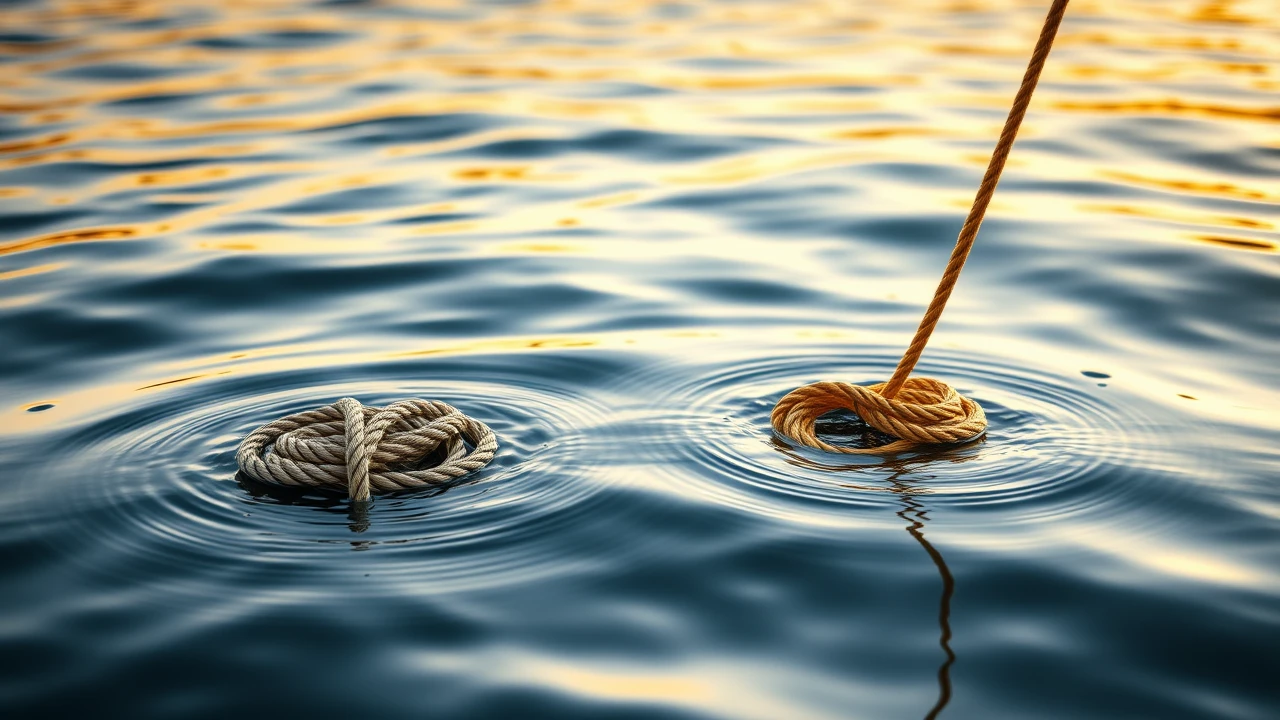
When it comes to marine activities—whether boating, water sports, or rescue operations—the choice of rope plays a crucial role in safety, performance, and ease of use. One of the key distinctions among marine ropes is whether they float on water or sink. Understanding the differences between floating and non-floating ropes, their respective advantages, and appropriate applications can help you select the best rope for your specific marine needs.
Understanding Floating and Non-Floating Ropes
What Are Floating Ropes?
Floating ropes are specially designed to remain buoyant on the water’s surface. This buoyancy is typically achieved using materials such as polypropylene or braided polyethylene, which have lower densities than water. These ropes often feature additional characteristics like UV resistance, waterproof coatings, and abrasion resistance to withstand harsh marine environments.
What Are Non-Floating Ropes?
Non-floating ropes, on the other hand, are made from denser materials such as nylon or polyester, causing them to sink in water. They tend to offer higher tensile strength and elasticity compared to floating ropes, making them suitable for applications where stretch and strength are priorities. Non-floating ropes may also be treated for UV and water resistance but do not possess buoyancy.
Safety Considerations: Which is Safer?
Visibility and Retrieval
One of the most significant safety advantages of floating ropes is their visibility and ease of retrieval. Since they rest on the water surface, they are easier to spot during water sports or docking operations, reducing the risk of entanglement or accidents. For rescue operations, floating ropes allow rescuers to quickly locate and grab the rope, which can be critical in emergencies.
Non-floating ropes, sinking below the surface, can be harder to locate if dropped or lost overboard. This can pose risks during fast-paced activities or in murky water conditions.
Risk of Entanglement and Damage
Floating ropes minimize the risk of fouling on underwater structures, rocks, or debris because they stay on the surface. This characteristic is especially beneficial for wakeboarding, water skiing, and towing inflatable tubes, where the rope must remain clear and untangled.
Non-floating ropes might snag on submerged hazards, increasing wear and the chance of sudden rope failure. However, their higher abrasion resistance and strength can sometimes offset this risk when properly maintained.
Strength and Elasticity
Non-floating ropes, often made from nylon or polyester, typically offer greater elasticity and tensile strength. This stretchiness can absorb shocks and sudden loads during towing or anchoring, reducing strain on equipment and users. For example, when a boat hits waves or a rider falls, the elasticity in a non-floating rope can prevent abrupt jerks.
Floating ropes, while strong, generally have less elasticity, making them more rigid under tension. This can be advantageous for precise control in sports but may transmit more force to equipment and users during sudden impacts.
Effectiveness in Different Marine Applications
Water Sports: Wakeboarding, Water Skiing, and Towable Tubes
Floating ropes are often preferred for water sports due to their buoyancy, which prevents the rope from sinking and tangling underwater. The visibility aids both participants and observers in tracking the rider’s position. Additionally, floating ropes with ergonomic handles and quick-release mechanisms enhance user comfort and safety.
However, in high-impact towing where shock absorption is paramount, some water sports enthusiasts favor non-floating nylon ropes for their elasticity and strength, accepting the trade-off of sinking rope.
Boating: Anchor Lines and Docking Ropes
For anchoring and docking, the choice depends on the depth and conditions of the water. Floating ropes can be beneficial in shallow waters or where visual monitoring of lines is important. Their buoyancy keeps lines from dragging on the bottom, reducing abrasion.
Non-floating ropes excel in anchoring deep water vessels because their weight helps the rope sink and maintain a better scope angle, improving anchor holding power. Their strength and durability also withstand constant tension and chafing.
Rescue Operations
In emergency rescue scenarios, floating ropes are generally safer and more effective. High-visibility floating ropes allow rescuers to see and deploy the line quickly, reducing response times. Their buoyancy ensures the rope remains accessible without sinking under the victim or rescuer.
Non-floating ropes may be used in specialized rescue situations requiring higher strength or stretch, but floating ropes are the standard due to their ease of handling and safety features.
Additional Features Enhancing Safety and Durability
Beyond buoyancy, many marine ropes incorporate features that improve performance and longevity:
- UV Resistance: Prolongs rope life by protecting against sun damage.
- Waterproof Coatings: Prevent water absorption, reducing weight and rot.
- Ergonomic Handles: Made from EVA foam or rubber for improved grip and comfort.
- Reinforced Loops and Quick-Release Mechanisms: Enhance safety during sudden releases or emergencies.
- Certifications: TÜV, ISO, CE, and marine safety standards ensure reliability.
- Eco-Friendly Materials: Biodegradable coatings and recyclable components address environmental concerns.
Maintenance Tips to Prolong Rope Life
Proper care is essential regardless of rope type to ensure safety and performance:
- Rinse After Use: Saltwater and debris can degrade rope fibers; rinse with fresh water.
- Avoid Prolonged UV Exposure: Store ropes in shaded areas or bags when not in use.
- Inspect Regularly: Check for fraying, cuts, or stiffness, and retire damaged ropes.
- Dry Thoroughly: Prevent mold and mildew by drying ropes completely before storage.
- Store Properly: Coil ropes neatly and avoid kinks or knots that weaken fibers.
Making the Right Choice: Floating or Non-Floating?
Selecting between floating and non-floating ropes depends largely on your specific marine activity and safety priorities:
| Factor | Floating Rope | Non-Floating Rope |
|---|---|---|
| Buoyancy | Floats on water surface | Sinks below water surface |
| Visibility | Easy to see and retrieve | Harder to spot in water |
| Strength & Elasticity | Moderate strength, less stretch | High strength and elasticity |
| Risk of Entanglement | Lower (stays above hazards) | Higher (may snag underwater) |
| Ideal Uses | Water sports, rescue, docking | Anchoring, heavy-duty towing |
| Safety Features | Often includes quick-release, ergonomic handles | May include reinforced loops and abrasion resistance |
Conclusion
Both floating and non-floating ropes have unique advantages that make them suitable for different marine applications. Floating ropes offer increased safety through visibility, ease of retrieval, and reduced entanglement risk, making them ideal for water sports and rescue operations. Non-floating ropes provide superior strength and elasticity, beneficial in anchoring and heavy towing situations.
By evaluating your specific needs—considering activity type, safety requirements, and environmental conditions—you can choose the rope that best balances safety and effectiveness for your marine adventures. Coupled with proper maintenance and attention to quality features, the right rope will enhance your performance on the water and provide peace of mind in every use.