
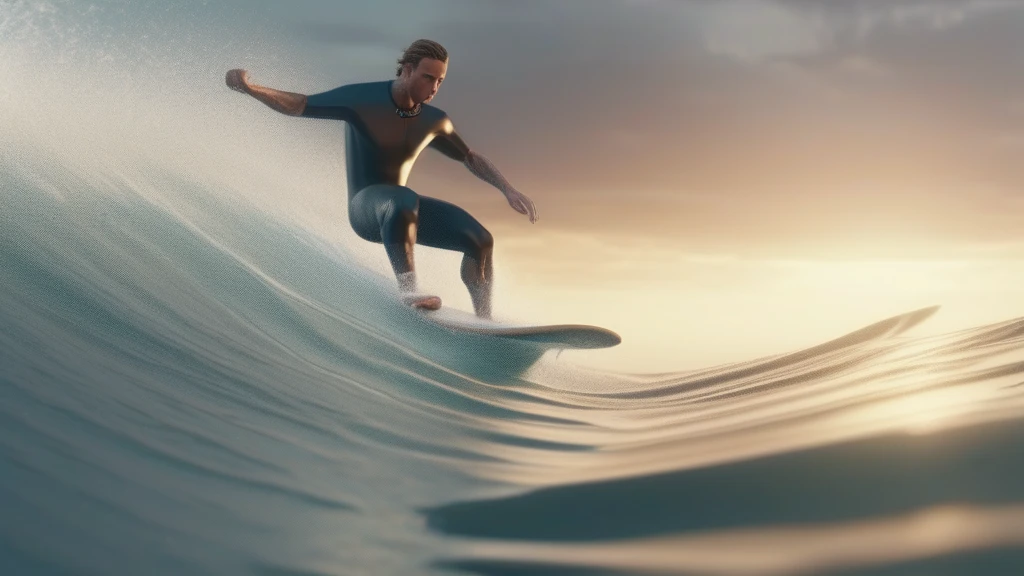
Longboarding has long been celebrated for its smooth, graceful style and timeless appeal on the waves. While classic longboarding emphasizes cruising and noseriding, freestyle longboarding takes this a step further by incorporating advanced maneuvers that showcase creativity, control, and agility. For surfers looking to elevate their longboard skills, understanding the specialized equipment and signature moves involved in freestyle longboarding is essential. This article explores the key features of freestyle longboard surfboards and breaks down the advanced techniques you can master to express yourself on the water.
What Makes a Longboard Ideal for Freestyle Surfing?
Freestyle longboarding demands a blend of stability and responsiveness, allowing surfers to perform quick turns, dynamic footwork, and aerial tricks without sacrificing smooth wave rides. The right longboard for freestyle will differ in subtle but important ways from a traditional classic longboard.
Size and Shape Considerations
- Length: Freestyle longboards typically range from 8'0" to 9'6". Slightly shorter than the longest noseriders, these boards offer improved maneuverability while maintaining enough volume for stability.
- Tail Shape: Squash and round pin tails are common choices, providing a balance of control and smooth release on turns. These shapes facilitate rapid directional changes crucial to freestyle moves.
- Rocker Profile: Moderate rocker (the curve of the board from nose to tail) helps maintain speed and control during quick maneuvers. Too flat a rocker can limit turning ability, while an overly pronounced rocker sacrifices glide.
Construction and Materials
- Lightweight Build: Freestyle boards often prioritize lightweight materials such as epoxy resin and carbon fiber reinforcements. This reduces overall weight, making the board more responsive and easier to manipulate mid-wave.
- Durability: Despite being lightweight, these boards maintain strength through advanced fiberglass layering and impact-resistant coatings, allowing them to endure the stresses of aggressive moves.
- Eco-Friendly Options: Sustainable manufacturing techniques are increasingly prevalent, with some boards using recyclable foam cores and low-VOC resins, aligning performance with environmental responsibility.
Fin Setup for Precision and Stability
- 2+1 Fin Configuration: A popular setup for freestyle longboards. It combines a large center fin for stability with two smaller side fins for added control and sharper turns.
- Adjustable or Foldable Fins: These allow surfers to customize fin placement or reduce drag during certain maneuvers, enhancing versatility.
- Quad Fin Setups: Some freestyle surfers opt for quad fins to maximize speed and provide extra drive on powerful turns.
Essential Freestyle Longboarding Moves
Mastering freestyle longboarding moves requires dedication and practice, but understanding the fundamentals can accelerate progression. Here are some hallmark maneuvers that advanced surfers use to express style and technical skill.
Cross-Stepping
A classic longboard technique elevated in freestyle, cross-stepping involves walking your feet across the deck in a crisscross pattern, moving smoothly toward the nose. This move showcases balance and fluidity, setting up for nose rides or other tricks.
- Tip: Keep your weight centered and knees slightly bent to maintain stability while shifting position.
- Equipment Benefit: A grippy, anti-slip deck helps prevent slipping during foot transitions.
Nose Riding
Standing or walking near the front of the board, nose riding is a timeless longboarding move that requires precise weight distribution and wave reading.
- Technique: Position yourself so the board planes on the wave’s face. Subtle lean adjustments keep the nose engaged without digging into the water.
- Freestyle Aspect: Combining nose rides with cross-stepping or quick pivots adds flair and difficulty.
Hang Ten and Hang Five
These iconic moves involve placing all ten toes (hang ten) or five toes (hang five) over the nose of the board. They demand exquisite balance and confidence.
- Practice: Begin with hang five before progressing to hang ten to develop balance gradually.
- Board Feature: A wider nose and stable rocker profile aid in supporting weight at the front.
Pivot Turns and Cutbacks
Quick, sharp turns enable freestyle surfers to change direction dynamically, maintain wave positioning, and set up for other maneuvers.
- Pivot Turn: Using the tail as a pivot point, rotate the board 180 degrees or more with controlled speed.
- Cutback: A smooth, arcing turn back toward the breaking part of the wave, maintaining speed and flow.
- Fin Influence: Responsive fin setups with appropriate stiffness enhance turn precision.
Drop Knee Turns
A stylish and technical maneuver where the surfer drops one knee toward the board while turning, adding flair and control.
- Balance Tip: Engage your core and shift weight smoothly to avoid losing speed.
- Surface Texture: A lightly textured deck can provide grip without hindering foot movement.
Aerials and Advanced Tricks
Though less common on traditional longboards, freestyle surfers sometimes incorporate small aerials or lip tricks, leveraging lightweight board construction and fine-tuned fin control.
- Prerequisite: Solid mastery of foundational moves, wave selection, and timing.
- Equipment Note: Boards with carbon reinforcements and responsive fin setups support these explosive maneuvers.
Tips for Choosing Your Freestyle Longboard
Selecting the right board is crucial for enjoying and progressing in freestyle longboarding.
- Match Your Skill Level: Beginners may prefer slightly longer, more stable boards. Advanced surfers benefit from shorter, lighter models tailored for agility.
- Consider Wave Type: Softer, rolling waves suit classic noseriding and freestyle cross-stepping, while steeper waves call for boards with more rocker and sharper tails.
- Check Fin Compatibility: Boards with flexible fin systems allow experimentation and customization.
- Look for Quality Construction: Durable materials and eco-conscious manufacturing enhance both performance and sustainability.
Maintaining Your Freestyle Longboard
Regular care preserves board performance and longevity, especially important for boards subjected to high-impact maneuvers.
- Rinse After Use: Saltwater can degrade materials; rinse with fresh water after each session.
- Store Properly: Keep your board in a shaded, cool area to prevent UV damage and warping.
- Inspect Fins and Leashes: Ensure fins are secure and leashes are intact to avoid accidents.
- Repair Dings Promptly: Address any cracks or dents quickly to prevent water intrusion.
Conclusion
Freestyle longboarding represents a vibrant evolution of classic longboarding, blending technical skill with artistic expression. By understanding the specific equipment features that promote maneuverability and control, and by mastering foundational freestyle moves, surfers can unlock new dimensions of wave riding enjoyment. Whether you’re refining your cross-stepping, perfecting hang tens, or pushing into aerial territory, the right longboard and dedicated practice pave the way for advanced maneuvers that truly stand out on the water.