
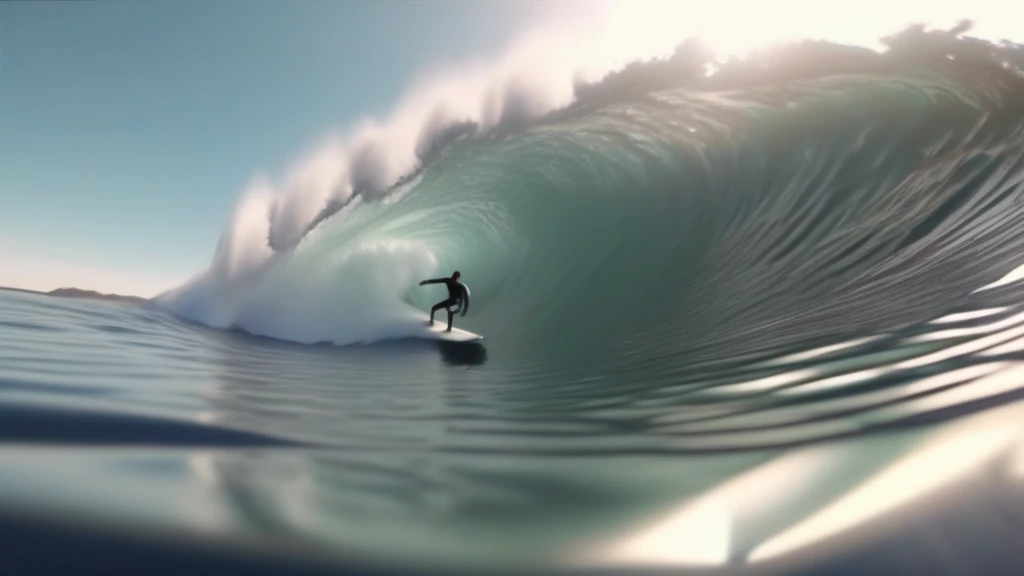
Shortboard surfboards have long been the go-to choice for surfers eager to push their limits in terms of speed, agility, and style on the wave face. For intermediate surfers looking to elevate their freestyle surfing skills, understanding how to effectively harness the unique characteristics of shortboards is essential. This guide delves into key freestyle surfing techniques tailored for intermediate riders using shortboard surfboards, offering practical insights to help you ride with greater confidence, control, and creativity.
Understanding the Shortboard Advantage for Freestyle Surfing
Before exploring specific techniques, it’s important to appreciate what makes shortboards ideal for freestyle surfing:
- High Maneuverability: Their compact size and responsive design allow quick, sharp turns and complex maneuvers.
- Speed and Control: Lightweight constructions and tailored rocker profiles enable rapid acceleration and precise wave positioning.
- Versatile Fin Systems: Thruster, quad, or twin fin setups provide customizable drive and looseness to suit different freestyle moves.
- Specialized Tail Shapes: Squash, swallow, and pin tails influence how your board grips or releases during turns and tricks.
Mastering freestyle surfing on a shortboard means learning to exploit these design elements to maximize performance on short to medium waves.
Key Freestyle Surfing Techniques for Intermediate Shortboarders
1. Bottom Turns: The Foundation of Agility
The bottom turn sets up most freestyle maneuvers by generating speed and positioning you for the next move.
- Technique: Drop down the wave face and lean into the rail with your knees bent, shifting your weight to the back foot for control. Use your shoulders and head to guide the direction.
- Tips: Practice smooth, powerful bottom turns that flow into cutbacks or aerial attempts. Experiment with how much rail you engage to find the sweet spot between grip and looseness.
2. Cutbacks: Linking Maneuvers with Style
Cutbacks allow you to redirect your board back toward the breaking part of the wave, maintaining speed and flow.
- Technique: After a bottom turn, carve sharply toward the whitewater by leaning into your heels or toes, depending on stance. Keep your weight centered and use your arms to balance.
- Tail Shape Influence: Squash tails offer a stable pivot point for smooth cutbacks, while swallow tails can provide extra bite for sharper turns.
3. Floater Maneuvers: Riding the Crest
Floaters involve riding over the top of a breaking wave section, showcasing balance and timing.
- Technique: Approach the lip with speed, then lift your board’s nose slightly to glide over the foam. Use your back foot to control the board’s angle and maintain momentum.
- Fin Setup: Quad fin configurations enhance speed and hold, making floaters easier to execute on softer waves.
4. Off-the-Lip Turns: Dynamic Wave Interaction
This move involves driving the board up to the wave’s lip and redirecting it sharply back down.
- Technique: Build speed on the face, then snap your board’s nose off the lip by applying pressure through your back foot and rotating your upper body. Keep your eyes on your landing spot.
- Rocker Profile Consideration: A moderate continuous rocker can help maintain speed while enabling tight lip turns.
5. Small Airs and Aerials: Adding Flair
Intermediate surfers ready for a challenge can start practicing small aerial maneuvers to add freestyle flair.
- Technique: Generate speed on the wave’s steep section, pop off the lip by compressing your legs and then extending mid-air. Spot your landing and absorb impact with bent knees.
- Board Weight and Materials: Lightweight epoxy or carbon fiber shortboards make aerials more accessible due to their reduced inertia.
Tailoring Your Technique to Board Design
Rocker Profiles and Maneuverability
- Flat to Moderate Rocker: Offers greater speed, ideal for cruising and flowing turns but requires precision during sharper maneuvers.
- Continuous Rocker: Enhances turning responsiveness, perfect for tight, aggressive freestyle moves.
- Hybrid Rocker: Balances speed and maneuverability, great for intermediates improving versatility.
Tail Shapes and Their Impact
- Squash Tail: Provides a blend of stability and quick release, excellent for controlled cutbacks and snaps.
- Swallow Tail: Adds extra hold on the wave face, useful for sharper turns and more aggressive freestyle tricks.
- Pin Tail: Best suited for steep, powerful waves, delivering smooth carving but less suited for quick, snappy moves.
Fin Configurations for Freestyle
- Thruster (Three Fins): Offers balanced control, drive, and maneuverability, making it versatile for a broad range of freestyle moves.
- Quad (Four Fins): Enhances speed and grip, allowing looser turns and better floaters.
- Twin Fin: Promotes looseness and speed, ideal for playful, slick surfing styles but may sacrifice some control.
Practical Tips for Improving Freestyle Skills on Shortboards
- Wave Selection: Choose short to medium-sized waves with clean faces and moderate power. These conditions allow experimentation without overwhelming the board or rider.
- Foot Placement: Fine-tune your stance to enable quick weight shifts—from centered for stability to back-foot-dominant for sharp turns and aerials.
- Balance and Flow: Work on smooth transitions between moves. Flow is critical for freestyle, so avoid abrupt stops or hesitations.
- Use Video Analysis: Recording your sessions helps identify areas for improvement and track progress over time.
- Cross-Train Balance and Flexibility: Core strength, ankle flexibility, and balance exercises on land can significantly enhance control and maneuverability.
Maintaining Your Shortboard for Optimal Performance
Freestyle surfing demands a well-maintained board to ensure reliability and responsiveness.
- Regular Waxing: Apply surfboard wax matched to water temperature to maintain grip on the deck for quick foot placement during tricks.
- Check and Repair Fins: Inspect fin attachments and surfaces to avoid damage that could affect turns and stability.
- Storage and Transport: Use padded, ventilated board bags to protect your shortboard during travel and storage. Avoid prolonged sun exposure that can degrade materials.
- Eco-Friendly Care: Consider biodegradable waxes and environmentally safe repair kits that align with sustainable surfing practices.
Embracing Sustainability in Shortboard Surfing
Many modern shortboards incorporate eco-conscious materials such as biodegradable coatings, recycled foam cores, and non-toxic resins. Choosing such boards supports environmental responsibility without compromising performance. Additionally, maintaining your board properly extends its lifespan, reducing waste.
Conclusion
Freestyle surfing on shortboard surfboards offers intermediate surfers an exciting avenue to develop speed, agility, and creative wave riding. By mastering foundational techniques like bottom turns, cutbacks, floaters, and small aerials—and understanding how your board’s design influences performance—you can confidently push your freestyle skills to the next level. Coupled with mindful maintenance and an appreciation for sustainability, your shortboard experience can be both thrilling and responsible. Whether carving tight snaps or launching into the air, the right techniques and board setup empower you to fully enjoy the dynamic world of shortboard freestyle surfing.