
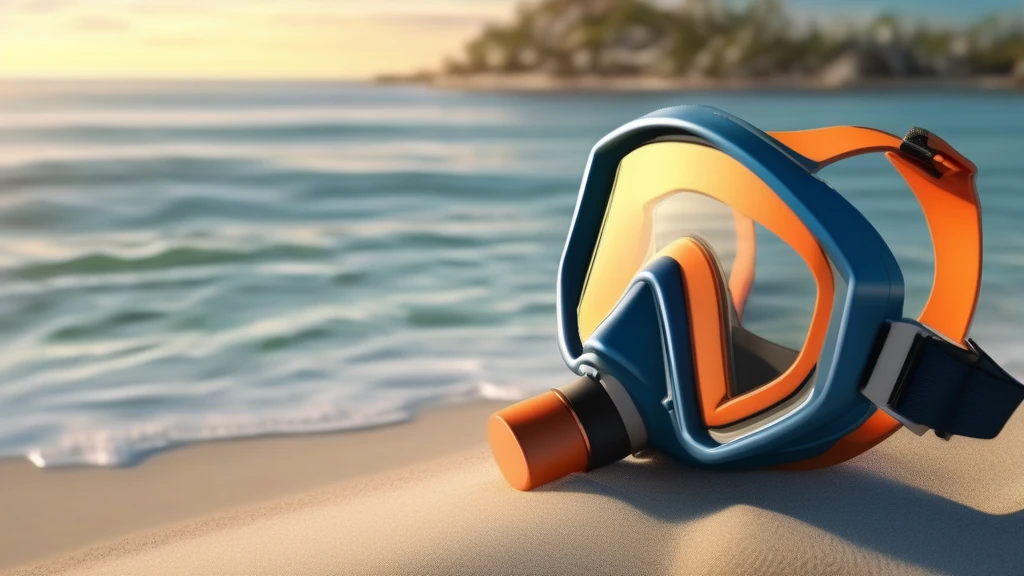
Exploring the underwater world is an exhilarating experience that requires the right gear to ensure comfort, safety, and clear vision. Among the essential pieces of equipment for snorkeling and diving are masks designed to enhance your underwater visibility. Two popular types dominate the market: full-face snorkel masks and traditional diving masks. Each comes with its own set of advantages and limitations, making it important to understand their differences and ideal use cases before making a choice.
In this article, we’ll break down the pros and cons of full-face snorkel masks and traditional masks, explore their features, and help you decide which type best suits your aquatic adventures.
Understanding the Basics: What Sets These Masks Apart?
Before diving into the comparison, it’s helpful to clarify the fundamental design differences.
Full-Face Snorkel Masks
Full-face snorkel masks cover the entire face from forehead to chin, integrating both the mask and snorkel into a single unit. This design allows users to breathe naturally through their nose and mouth while keeping their face dry. These masks typically feature a wide, panoramic lens that offers an expansive field of view.
Traditional Masks
Traditional masks consist of a silicone skirt that seals around the eyes and nose, paired with a separate snorkel or regulator for breathing. They come in various lens configurations (single, dual, or frameless) and generally require mouth breathing through a snorkel or regulator.
Pros and Cons of Full-Face Snorkel Masks
Pros
- Natural Breathing Experience: By allowing inhalation and exhalation through both nose and mouth, full-face masks provide a more relaxed breathing experience, especially beneficial for beginners or those uncomfortable with mouth-only breathing.
- Panoramic Field of View: The large, curved lens offers a nearly 180-degree field of vision, enhancing peripheral awareness underwater and making exploration more immersive.
- Integrated Snorkel with Splash Guard: The snorkel is built into the mask with a splash guard or dry top valve to reduce water entry from waves or splashes.
- Comfort and Fit: The full-face design can be more comfortable for some users as it distributes pressure evenly across the face, reducing jaw fatigue and pressure points.
- Anti-Fog and Ventilation Features: Many models incorporate separate breathing chambers and airflow systems to reduce lens fogging, improving visibility.
Cons
- Limited Use in Deeper or Technical Diving: Full-face snorkel masks are primarily designed for surface snorkeling and are not suitable for scuba diving or freediving due to potential safety concerns with equalizing pressure and limited ability to clear water quickly.
- Potential CO2 Buildup: Poorly designed full-face masks can accumulate carbon dioxide inside the mask, posing a safety risk if ventilation is inadequate. It’s important to choose masks that have been tested and certified for safety.
- Bulkier and Heavier: These masks are generally larger and heavier, which may affect portability and storage.
- Fit Challenges: Achieving a proper seal can be tricky for some face shapes, leading to potential leaks or discomfort.
Pros and Cons of Traditional Masks
Pros
- Versatility for Multiple Activities: Traditional masks are suitable for snorkeling, freediving, scuba diving, spearfishing, and underwater photography.
- Low Volume for Easier Clearing and Equalizing: The smaller internal air volume makes it easier to clear water out of the mask and equalize pressure at depth, essential for freedivers and scuba divers.
- Wide Range of Sizes and Styles: Available in various lens configurations, frame types, and silicone skirts to fit different face shapes and preferences.
- Better Safety for Deeper Dives: Traditional masks are standard equipment for scuba diving, offering greater safety and control underwater.
- Lightweight and Compact: Easier to pack and carry, especially important for travel and extended expeditions.
Cons
- Mouth-Only Breathing with Separate Snorkel: Requires breathing through the mouth using a separate snorkel, which can be less comfortable for beginners.
- Narrower Field of View: Typically provides a more limited peripheral vision compared to full-face masks.
- Potential Jaw Fatigue: Holding a snorkel in the mouth for extended periods can cause discomfort or fatigue.
- Fogging Issues: Without proper airflow or anti-fog treatments, traditional masks can fog up, reducing visibility.
Best Uses: Matching Masks to Your Activity and Skill Level
When to Choose a Full-Face Snorkel Mask
- Recreational Snorkeling in Calm Waters: Ideal for beginners or casual snorkelers exploring shallow reefs and calm seas, where natural breathing and wide visibility enhance comfort and enjoyment.
- Family and Group Outings: Great for users of all ages who want a hassle-free snorkeling experience without the need to master mouth breathing.
- Surface Observation: Perfect for users who want to stay at the surface and enjoy underwater views without diving deep.
When to Choose a Traditional Mask
- Freediving and Spearfishing: Low-volume masks that allow easy equalizing and water clearing are essential for deeper dives and performance.
- Scuba Diving: Traditional masks are required for scuba diving due to their compatibility with regulators and the ability to manage pressure changes.
- Underwater Photography and Professional Use: Offers better integration with cameras and accessories, plus clearer, distortion-free lenses.
- Travel and Versatility: Lightweight and compact options make traditional masks practical for frequent travelers and those engaging in multiple water activities.
Additional Considerations for Choosing Your Mask
Fit and Seal
Regardless of type, the mask must fit snugly without causing discomfort. Masks with hypoallergenic silicone skirts and adjustable straps provide a secure, leak-free seal. Testing the mask by placing it on your face without straps and inhaling gently through the nose can help assess the fit.
Lens Features
Look for tempered glass lenses for durability and safety. Anti-fog coatings, UV protection, and polarized or mirrored finishes can significantly improve underwater visibility and comfort.
Safety Certifications
Choose masks that carry recognized safety certifications (ISO, CE, TÜV) to ensure they meet rigorous standards for performance and user safety.
Maintenance and Care
Proper cleaning, storage, and anti-fog treatment enhance mask longevity and clarity. Rinse masks with fresh water after use, avoid harsh chemicals, and store in a protective case away from direct sunlight.
Conclusion
Both full-face snorkel masks and traditional masks have their place in the world of diving and snorkeling. Your choice depends largely on your intended use, skill level, and personal preferences. Full-face masks offer a comfortable, beginner-friendly experience with excellent surface visibility, while traditional masks provide versatility and safety for deeper or more technical underwater activities.
By understanding the strengths and limitations of each mask type, you can select the right underwater eyewear that enhances your aquatic adventures, ensures safety, and maximizes enjoyment beneath the waves.