
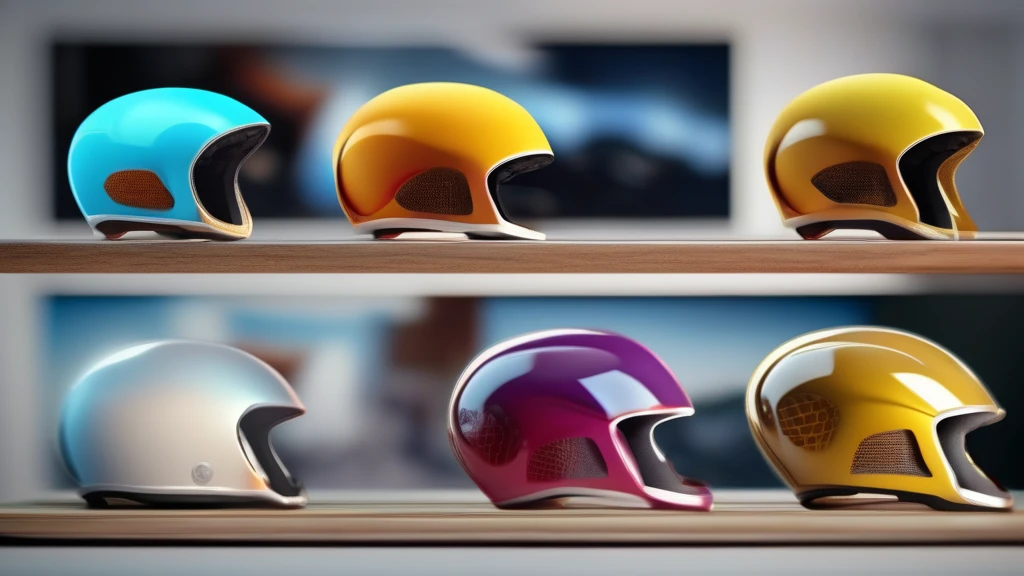
When it comes to skateboarding and other summer outdoor sports like cycling, BMX, scootering, rollerblading, and kayaking, choosing the right helmet is crucial for safety and comfort. Among the many options, two popular construction types stand out: hard shell helmets and in-mold helmets. Understanding their differences, benefits, and ideal uses can help you select the best protective gear for your activities.
In this article, we'll explore the key features of hard shell and in-mold helmets, compare their performance in skateboarding and multi-sport contexts, and provide practical tips to help you make an informed decision.
Understanding Helmet Construction: Hard Shell vs. In-Mold
What Is a Hard Shell Helmet?
Hard shell helmets feature a durable outer layer typically made from tough materials like polycarbonate or ABS plastic. This hard outer shell is bonded to a thick inner liner made of EPS (expanded polystyrene) foam, which absorbs impact energy during a fall or collision.
The hallmark of hard shell helmets is their robust, rigid exterior, which offers excellent resistance to abrasion and penetration. This makes them highly durable and often favored in sports with higher risk of scrapes, such as skateboarding.
What Is an In-Mold Helmet?
In-mold helmet construction fuses the outer shell and the inner foam liner into a single piece through a molding process. Instead of a separate hard shell glued onto foam, the materials are integrated, resulting in a lighter, more streamlined helmet.
In-mold helmets often use polycarbonate shells with EPS foam liners incorporated during manufacturing. This design emphasizes reduced weight and enhanced ventilation, making them popular in cycling and multi-sport helmets where comfort during long sessions is a priority.
Safety Performance and Certification
Both hard shell and in-mold helmets can meet rigorous safety certifications such as:
- CPSC (Consumer Product Safety Commission) for bicycle helmets
- ASTM F1492 specific to skateboarding
- CE EN 1078 for European standards covering cycling, skateboarding, and roller sports
- ISO and TÜV certifications indicating compliance with international safety benchmarks
When selecting a helmet, verify that it carries appropriate certifications for your intended sport(s). Both construction types can be certified, but some models may be geared more specifically toward skateboarding or cycling standards.
Key Differences for Skateboarding and Multi-Sport Use
Durability and Impact Resistance
-
Hard Shell: The thick, rigid shell provides superior protection against multiple impacts, scrapes, and rough landings common in skateboarding. The robust outer layer resists cracking and abrasion better, making it ideal for high-contact sports.
-
In-Mold: While still protective, the thinner shell integrated with foam tends to be less resistant to heavy abrasion or repeated impacts. They may be more suitable for sports with lower risk of rough falls or for riders prioritizing weight and ventilation.
Weight and Comfort
-
Hard Shell: Generally heavier due to the thicker shell and foam layers. This added weight can be noticeable during extended wear but contributes to durability.
-
In-Mold: Lighter and offers better ventilation options thanks to slimmer profiles and more vent openings. This makes them comfortable for multi-sport athletes who wear helmets for longer durations.
Ventilation and Temperature Control
-
Hard Shell: Ventilation usually consists of 10 to 15 vents strategically placed to balance airflow and structural integrity. The thicker shell may trap more heat but still provides effective cooling in many models.
-
In-Mold: Designed with enhanced airflow in mind, these helmets often feature larger or more numerous vents that improve cooling during intense activity, a key advantage for summer sports.
Fit and Adjustability
Both helmet types commonly offer:
- Adjustable chin straps for secure fastening
- Rotational dial systems to fine-tune fit
- Multi-size fit pads to accommodate different head shapes and growth (especially in youth helmets)
Proper fit remains paramount regardless of helmet type. A snug, stable fit maximizes protection.
Choosing the Right Helmet for Your Needs
For Dedicated Skateboarders
Hard shell helmets are often preferred by skateboarders due to their rugged construction and enhanced abrasion resistance, which is essential given the frequent falls on concrete and asphalt surfaces. Look for helmets certified to ASTM F1492, indicating they meet skateboarding safety standards.
For Multi-Sport Enthusiasts
If you participate in a variety of sports such as cycling, scootering, and kayaking alongside skateboarding, an in-mold helmet may offer the best balance of weight, ventilation, and versatility. Many multi-sport helmets carry dual certifications (e.g., CPSC and ASTM), ensuring adequate protection across activities.
For Youth and Beginners
Youth helmets often prioritize adjustable fittings and comfort features to encourage consistent use. Both hard shell and in-mold types are available for children, but hard shell helmets might provide extra durability for energetic beginners prone to frequent falls.
Additional Features to Consider
Advanced Safety Technologies
Look for helmets featuring technologies like MIPS (Multi-directional Impact Protection System), which reduces rotational forces during angled impacts—a significant safety enhancement for all helmet types.
Ventilation and Comfort
Ensure the helmet has sufficient vents to keep you cool during summer activities. Some helmets offer adjustable vents for personalized airflow.
Sustainability and Eco-Friendly Materials
Increasingly, helmet manufacturers are integrating sustainable materials such as biodegradable coatings, recyclable components, and low-carbon manufacturing processes. Choosing eco-conscious helmets supports environmental responsibility.
Style and Visibility
Helmet color and design can reflect personal style while also enhancing visibility. Bright colors and reflective details improve safety by making you more noticeable to others.
Maintenance and Lifespan
Regularly inspect your helmet for cracks, dents, or compromised straps. Most helmets have a recommended lifespan of 3-5 years depending on usage and impact history. Proper care includes cleaning liners with mild soap and storing helmets in cool, dry places.
Conclusion
Both hard shell and in-mold helmets offer reliable protection for skateboarding and multi-sport use, but their distinct construction methods cater to different priorities:
-
Hard shell helmets excel in durability and abrasion resistance, making them ideal for dedicated skateboarders and rougher conditions.
-
In-mold helmets provide lightweight comfort and superior ventilation, suiting multi-sport athletes and those seeking extended wearability.
Ultimately, the best helmet is one that fits well, meets appropriate safety certifications, integrates features you value (like MIPS and ventilation), and suits your specific activities. Taking the time to understand these differences empowers you to choose headgear that enhances both your safety and enjoyment of summer outdoor sports.