
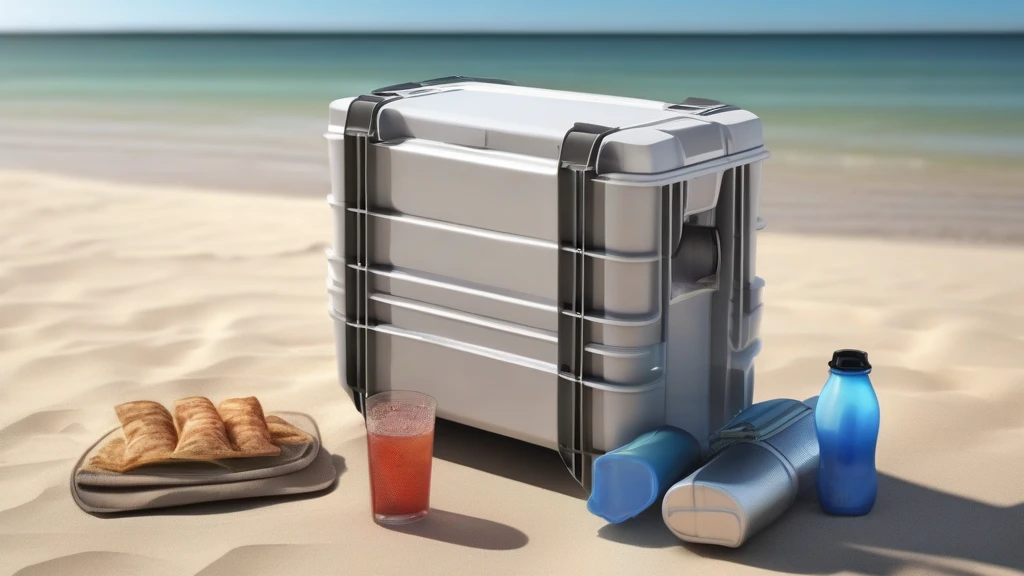
When planning your next outdoor excursion—whether it’s a weekend camping trip, a day at the beach, or a backyard gathering—keeping your food and beverages cold is essential for both safety and enjoyment. Coolers come in a variety of designs, but two of the most popular types are hard-shell and soft-sided coolers. Each type offers unique advantages and suits different activities, group sizes, and portability needs.
This guide will help you understand the key differences between hard-shell and soft-sided coolers, explore their features, and provide tips to help you select the best cooler for your lifestyle and outdoor adventures.
Understanding the Basics: Hard-Shell vs. Soft-Sided Coolers
Hard-Shell Coolers: Rugged Durability and Superior Insulation
Hard-shell coolers are typically constructed from thick rotomolded plastic or similar durable materials. They are designed to withstand rough handling and harsh environmental conditions, making them a favorite among campers, fishermen, and anyone needing a reliable, long-lasting cooler.
Key Characteristics:
- Robust Construction: Thick walls made from rotomolded plastic or reinforced polymers resist impacts, UV rays, and weather.
- Superior Insulation: Often feature double-walled, vacuum-sealed insulation capable of retaining ice for 24 to 72 hours, depending on size and conditions.
- Security Features: Many hard coolers include lockable lids and heavy-duty latches to secure contents and deter wildlife.
- Capacity Range: Available in large sizes (up to 75 quarts or more), ideal for multi-day trips or group events.
- Additional Features: Built-in drain plugs for easy water removal, cup holders, bottle openers, and non-slip feet.
Soft-Sided Coolers: Lightweight Portability and Versatility
Soft-sided coolers are crafted from high-density polyester nylon or EVA foam with leakproof liners. They prioritize portability and convenience, often incorporating ergonomic straps or backpack designs tailored for active use.
Key Characteristics:
- Lightweight and Flexible: Easier to carry, especially for hiking, biking, or casual outings.
- Moderate Insulation: Typically use gel-based or hybrid insulation systems that keep items cold for 12 to 24 hours.
- Compact and Collapsible: Many models can fold flat when not in use, saving storage space.
- Varied Designs: Available as backpacks, totes, or shoulder bags with multiple compartments for food, drinks, and accessories.
- Eco-Friendly Materials: Many use BPA-free, recyclable fabrics and coatings.
Choosing the Right Cooler for Your Outdoor Activity
Factors to Consider
When deciding between a hard-shell and soft-sided cooler, consider the following:
- Duration of Your Trip: Extended outings benefit from hard coolers’ superior ice retention.
- Portability Needs: If hiking or carrying your cooler over long distances, lightweight soft coolers with backpack straps are preferable.
- Group Size: Larger groups usually require hard coolers with bigger capacities.
- Environment and Use: Rough terrain and exposure to the elements call for rugged hard-shell models.
- Storage Space: Soft coolers’ collapsibility is a boon for small vehicles or limited storage.
- Additional Features: Consider features like leakproof liners, ergonomic handles, and built-in accessories based on your usage.
Use Case Examples
| Activity | Recommended Cooler Type | Why? |
|---|---|---|
| Multi-day camping | Hard-shell cooler | Superior insulation, durability, large size |
| Beach day | Soft-sided cooler | Lightweight, easy to carry, moderate insulation |
| Fishing trips | Hard-shell cooler with drain plug | Rugged, easy to clean, keeps fish fresh longer |
| Picnics & tailgates | Soft-sided or mid-sized hard cooler | Portability with reasonable ice retention |
| Road trips | Soft-sided cooler with wheels | Easy to transport, fits in vehicle trunks |
Maximizing Ice Retention and Cooler Organization
Regardless of cooler type, efficient packing and maintenance can extend cooling performance and keep your food safe.
Tips for Longer Ice Retention
- Pre-Chill Contents: Cool food and beverages before packing to reduce the workload on the cooler.
- Use Block Ice: Blocks melt slower than cubes, maintaining lower temperatures longer.
- Limit Lid Opening: Each time the lid opens, cold air escapes—plan ahead to minimize access.
- Keep in Shade: Exposure to direct sunlight accelerates ice melt.
- Layer Strategically: Place ice at the bottom and top, with food in between for optimal cooling.
Organizing Your Cooler
- Use Removable Dividers: Separate beverages from perishable food to prevent cross-contamination.
- Pack Items Tightly: Reduce air pockets to maintain consistent cooling.
- Utilize Leakproof Containers: Prevent juices or melted ice from soaking other items.
- Label Compartments: Especially useful for group outings to quickly identify contents.
Eco-Friendly Materials and Sustainable Manufacturing
Increasingly, cooler manufacturers are incorporating environmentally responsible materials and processes.
- BPA-Free Liners and Coatings: These reduce harmful chemical exposure and environmental impact.
- Recyclable Fabrics and Plastics: High-density polyester nylon and rotomolded plastics designed for recycling help minimize waste.
- Durability Equals Sustainability: Investing in a high-quality cooler that lasts reduces the frequency of replacements.
- Energy-Efficient Insulation: Some electric coolers use advanced insulation to reduce power consumption.
Choosing a cooler with sustainable features aligns your outdoor enjoyment with environmental stewardship.
Portability and Convenience Features to Enhance Your Experience
When selecting a cooler, consider features that improve transport and usability during your activities:
- Ergonomic Handles and Straps: Non-slip, padded handles or adjustable backpack straps reduce fatigue.
- Wheeled Bases: Perfect for road trips or tailgating where rolling the cooler is easier than carrying.
- Telescoping or Foldable Handles: Offer compact storage without sacrificing ease of movement.
- Built-in Accessories: Cup holders, bottle openers, and removable trays add convenience.
- Leakproof Liners and Easy-Drain Systems: Simplify cleanup and prevent messes.
Matching these features to your typical outings can significantly improve your overall experience.
Maintenance and Cleaning Best Practices
Proper care extends the life and performance of both hard-shell and soft-sided coolers.
Cleaning Tips
- Regular Cleaning: Wash liners and exteriors with mild soap and warm water after each use.
- Avoid Harsh Chemicals: Bleach or abrasive cleaners can damage materials and coatings.
- Dry Thoroughly: Prevent mold and odors by air drying completely before storage.
- Use Baking Soda: For persistent odors, sprinkle baking soda inside and let sit overnight.
- Inspect Seals and Zippers: Ensure leakproof liners and zippers function correctly to maintain insulation.
Storage Advice
- Store coolers with lids slightly open to prevent mildew buildup.
- Keep soft coolers folded only when dry to avoid creases or damage to insulation.
- Protect hard coolers from prolonged sun exposure when not in use to avoid UV degradation.
Conclusion
Choosing between a hard-shell and soft-sided cooler depends heavily on your specific outdoor needs, activity type, group size, and portability requirements. Hard coolers excel in durability and long-lasting ice retention, making them ideal for rugged, extended trips and larger groups. In contrast, soft-sided coolers offer lightweight convenience, versatility, and compact storage for day trips and more casual outings.
By considering insulation performance, portability features, eco-friendly materials, and maintenance needs, you can select a cooler that enhances your outdoor adventures—keeping your food and beverages fresh and cool while complementing your lifestyle.
Armed with this knowledge, you’re better prepared to make an informed decision and enjoy your next outing with confidence.