
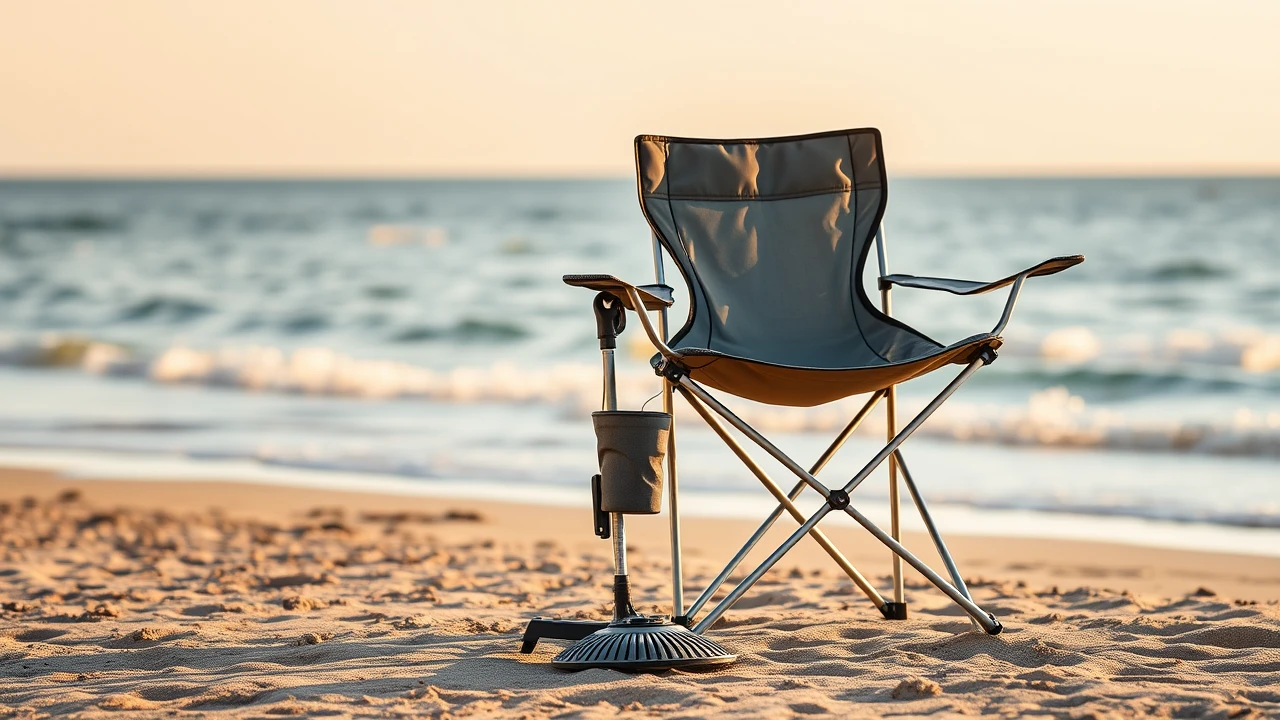
Outdoor chairs designed for beachgoers, campers, fishermen, and families are more than just portable seats—they are essential accessories that combine comfort, convenience, and durability in often challenging environments. These chairs typically feature foldable aluminum or rustproof steel frames, UV-resistant and waterproof polyester or nylon fabrics, and thoughtfully engineered ergonomic elements such as adjustable recline positions and built-in cup holders. To ensure these versatile chairs continue to provide maximum enjoyment and extend their useful life, proper maintenance and care are crucial.
In this comprehensive guide, we explore practical tips and best practices for cleaning, maintaining, storing, and caring for your outdoor chairs. Whether your chair is a reclining lounge, a backpack-style design for hands-free carrying, or a low-profile fishing chair, following these recommendations will help you protect your investment and keep your outdoor seating in prime condition season after season.
Understanding Your Outdoor Chair Materials
Before diving into maintenance routines, it’s important to understand the materials that make up your outdoor chair, as care techniques vary accordingly.
Frame Materials: Aluminum and Rustproof Steel
Most portable outdoor chairs feature foldable frames crafted from lightweight aluminum or rust-resistant steel. Aluminum is prized for its corrosion resistance and light weight, making it ideal for beach and camping chairs that need to be highly portable. Rustproof steel offers enhanced durability and strength, especially for heavier-duty chairs built to support weight capacities up to 350 lbs.
Care Tip: Regularly inspect the frame for any signs of corrosion, especially after exposure to salty sea air or freshwater. Wipe down frames with a damp cloth and mild soap to remove dirt and salt deposits. Avoid abrasive cleaners that could damage protective coatings.
Seating Fabrics: UV-Resistant Polyester and Nylon
Seating surfaces usually incorporate UV-resistant, waterproof polyester or nylon fabrics designed to withstand sun exposure and sudden rain showers. Many models include breathable mesh panels for enhanced comfort and quick-drying properties that prevent mold and mildew buildup.
Care Tip: Clean fabric surfaces using a soft brush or sponge with a mixture of mild detergent and warm water. For stubborn stains, a gentle scrub with diluted vinegar solution can help remove mildew or salt stains. Avoid harsh chemicals or bleach which can degrade fabric fibers and UV protection.
Routine Cleaning for Longevity
Maintaining cleanliness is the foundation of prolonging the life of your outdoor chair. Here is a step-by-step cleaning routine tailored for typical portable outdoor chairs:
-
Remove Loose Dirt and Debris
Shake out your chair and use a handheld vacuum or brush to clear sand, dirt, leaves, and other particles from fabric and frame crevices. -
Spot-Clean Stains Promptly
After use, check for spills or stains and spot-clean immediately using mild soap and water. Quick response prevents permanent discoloration. -
Full Cleaning After Extended Use
For chairs used extensively during a camping trip or beach vacation, give them a thorough wash before storage. Use a soft cloth or sponge dipped in warm soapy water to clean the entire chair, paying close attention to hinges and joints where grime accumulates. -
Rinse Thoroughly
If possible, rinse with fresh water to remove any remaining soap residue, especially important after exposure to saltwater environments. -
Dry Completely
Allow the chair to air dry fully in a shaded area before folding and storing. Avoid prolonged direct sunlight during drying to protect fabric integrity.
Storage Best Practices
Proper storage is key to preventing damage caused by moisture, UV exposure, and mechanical wear.
Folding and Compact Storage
Most portable outdoor chairs fold down to compact sizes, often equipped with telescoping handles, backpack straps, or padded grips for easy transport. When storing:
- Fold the chair according to the manufacturer’s instructions to avoid strain on joints and fabric.
- Store indoors or in a dry, shaded area whenever possible to protect against prolonged sun and rain exposure.
- Use a protective storage bag or cover to shield the chair from dust and accidental damage.
Off-Season Storage
For long-term storage, such as over winter months:
- Clean the chair thoroughly and ensure it is completely dry.
- Disassemble removable accessories like sunshade canopies, pillows, or coolers.
- Store the chair in a climate-controlled environment to prevent fabric brittleness and frame corrosion.
- Consider placing moisture absorbers (silica gel packs) in the storage bag to reduce humidity.
Maintaining Functional Features
Outdoor chairs often incorporate multiple ergonomic and convenience features that require occasional upkeep.
Adjustable Recline and Locking Frames
Chairs with adjustable recline positions and locking mechanisms benefit from periodic lubrication of hinges and joints. Use a silicone-based lubricant to keep moving parts smooth and prevent squeaking or stiffness. Avoid oil-based lubricants that attract dirt.
Built-in Cup Holders and Storage Pouches
Clean cup holders and storage compartments regularly to remove crumbs, sand, and moisture. Inspect seams and attachment points for wear or loose stitching. Repair minor tears promptly with outdoor fabric patches or heavy-duty thread.
Sunshade Canopies and Integrated Coolers
Sunshades should be folded carefully to avoid creases and stored separately if removable. Wipe cooler compartments with mild detergent and air dry to prevent odors and mold.
Tips for Extending the Life of Your Outdoor Chair
- Rotate Use: If you own multiple chairs, rotate their use to distribute wear evenly.
- Avoid Overloading: Respect the chair’s weight capacity (commonly 200-350 lbs) to prevent frame deformation.
- Protect from Extreme Weather: Avoid leaving chairs exposed during heavy storms or extreme heat.
- Regular Inspection: Check for loose screws, bent frames, or fabric tears and address issues immediately.
- Use Chair on Suitable Surfaces: Avoid placing chairs directly on sharp rocks or uneven terrain that can damage feet or frame.
Eco-Friendly Care Practices for Sustainable Use
Many outdoor chairs today incorporate eco-conscious materials and sustainable manufacturing. Caring for these products responsibly aligns with environmental values:
- Use biodegradable cleaning agents.
- Avoid single-use plastic covers; opt for reusable storage bags.
- Repair instead of replace to extend product life.
- Recycle metal and fabric components when chairs reach end-of-life.
Conclusion
Proper maintenance and care transform your portable outdoor chair from a simple seating solution into a long-lasting, reliable companion for countless beach outings, camping trips, and fishing adventures. By understanding the materials, performing regular cleaning, protecting functional features, and storing chairs thoughtfully, you ensure optimal performance and durability. Embracing these care practices not only preserves the ergonomic comfort and weather-resistant qualities of your chair but also supports sustainable enjoyment of the outdoors for years to come.