
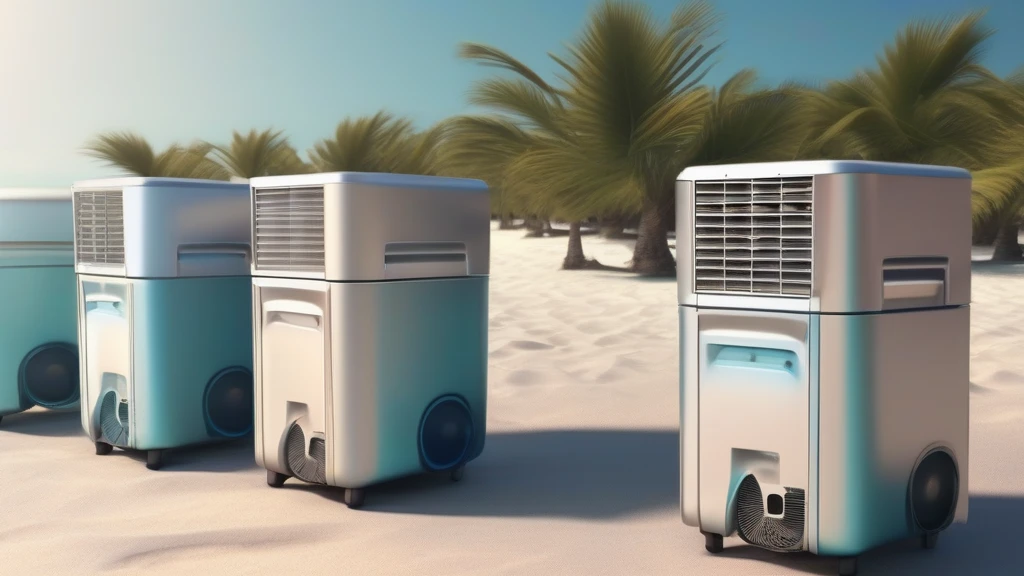
Coolers are essential companions for outdoor enthusiasts, families, and anyone who enjoys fresh, chilled food and beverages on the go. Whether you rely on a rugged rotomolded hard cooler for multi-day camping trips or a compact soft-sided cooler for quick beach outings, proper care and maintenance can significantly extend the life and performance of your cooler. This guide offers practical tips and insights on cleaning, storage, and upkeep tailored to the diverse range of cooler types available today.
Understanding Cooler Types and Their Materials
Before diving into maintenance routines, it's helpful to understand the construction and insulation technologies that define your cooler. This knowledge will guide you toward appropriate care methods.
Hard-Shell Rotomolded Coolers
Built for durability and maximum ice retention, hard-shell coolers are typically made from rotomolded plastic—a process that creates a single-piece, impact-resistant shell. These coolers often feature double-walled, vacuum-sealed insulation delivering ice retention from 48 to 72 hours or more. They come with heavy-duty latches, lockable lids, built-in drain plugs, and sometimes stainless steel hardware to resist corrosion.
Soft-Sided Fabric Coolers
Soft coolers use high-density polyester nylon or EVA foam panels combined with thermal insulation layers such as gel-based or hybrid foam systems. These lightweight, flexible carriers prioritize portability with backpack straps or foldable designs but typically retain ice for shorter periods (12 to 24 hours). Many include leakproof liners and anti-stain coatings to combat moisture and dirt.
Electric Coolers
Electric coolers combine insulation with powered refrigeration, running off vehicle batteries or AC outlets. Their interiors often feature removable dividers and easy-clean plastic surfaces. Proper maintenance includes electrical component care alongside classic cooler upkeep.
Cleaning Your Cooler: Best Practices by Type
Regular cleaning prevents odors, mold, and staining, preserving both appearance and hygiene.
Cleaning Hard-Shell Coolers
- Empty and Drain: Always remove all contents and drain excess water through the drain plug after each use.
- Wash with Mild Soap: Use a soft sponge or cloth with warm water and mild dish soap. Avoid abrasive scrubbers that can damage the rotomolded surface or seals.
- Tackle Stains and Odors: For stubborn stains or lingering smells, a solution of baking soda and water applied with a soft brush works well. Alternatively, a diluted vinegar rinse can disinfect and deodorize.
- Rinse Thoroughly: Ensure all soap residues are removed to prevent sticky surfaces.
- Dry Completely: Leave the cooler open in a shaded, well-ventilated area to air dry, avoiding direct sunlight which can degrade plastic and rubber seals over time.
Cleaning Soft-Sided Coolers
- Spot Clean Frequently: Wipe the interior liner and exterior fabric after each use to avoid build-up of food residues and dirt.
- Deep Clean as Needed: Hand wash with warm water and gentle soap. For removable liners, rinse thoroughly and let dry fully before reassembling.
- Use Anti-Mold Treatments: Periodically apply a spray formulated for fabric gear or a diluted vinegar solution to inhibit mold growth.
- Avoid Machine Washing: Unless manufacturer instructions explicitly permit, machine washing can damage insulation layers and waterproof coatings.
Cleaning Electric Coolers
- Unplug Before Cleaning: Always disconnect power to avoid electrical hazards.
- Wipe Interior and Exterior: Use a soft cloth with mild soap and water. Do not submerge or allow water near electrical controls.
- Clean Vents and Fans: Use compressed air or a soft brush to remove dust from cooling vents and fans.
- Dry Thoroughly: Ensure no moisture remains inside before plugging back in to prevent electrical issues.
Storage Tips to Preserve Cooler Longevity
Proper storage safeguards cooler components and maintains insulation effectiveness.
Store Coolers Open and Dry
After cleaning and drying, keep your cooler lid propped open slightly to allow airflow. This prevents stale odors and mold formation inside the insulated cavity.
Avoid Direct Sunlight and Extreme Temperatures
Prolonged exposure to UV rays can degrade plastics, fabrics, and seals. Store coolers in shaded, temperature-controlled areas to maintain material integrity.
Protect Seals and Hinges
Periodically inspect rubber gaskets and hinges for cracks or stiffness. Applying a silicone-based lubricant or food-safe grease helps keep seals pliable and hinges functioning smoothly.
Use Protective Covers or Bags
For soft-sided coolers, storing them inside protective bags or covers can prevent dust accumulation and fabric wear. Hard coolers benefit from padded covers to avoid scratches during transport or storage.
Tips for Extending Ice Retention and Cooler Performance
Beyond maintenance, smart usage practices enhance cooler efficiency and lifespan.
Pre-Chill Your Cooler
Cooling your cooler in advance with ice or cold water reduces initial temperature shock and improves ice retention once packed.
Use Block Ice and Ice Packs Strategically
Large blocks of ice melt slower than cubes, helping maintain low temperatures longer. Position ice packs near food and beverage compartments to optimize cooling.
Organize Contents Efficiently
Arrange items by frequency of access to minimize lid opening time. Use removable dividers in electric or hard coolers to separate food types and prevent cross-contamination.
Keep Coolers Out of Direct Sunlight
Shade your cooler with umbrellas or tents during outdoor use to preserve internal temperatures.
Maintenance Checklist for Different Cooler Features
Drain Plugs
- Clean and inspect drain plugs regularly to prevent clogs and leaks.
- Lubricate seals to maintain leakproof performance.
Locks and Latches
- Tighten screws and lubricate moving parts to keep latches secure and easy to operate.
- Replace worn or broken components promptly.
Handles, Straps, and Wheels
- Check straps and handles for fraying or damage. Reinforce or replace as necessary.
- For wheeled coolers, clean wheel axles and remove debris to ensure smooth movement.
Sustainable Cooler Care: Eco-Friendly Maintenance
Many modern coolers feature BPA-free, recyclable materials and eco-conscious manufacturing. To align with these values:
- Use biodegradable soaps and cleaning agents.
- Avoid harsh chemicals that can release toxins into the environment.
- Donate or recycle old coolers responsibly instead of discarding them.
Conclusion
Proper care and maintenance are key to maximizing the performance, durability, and longevity of your cooler, whether it’s a rugged hard-shell model or a lightweight soft-sided carrier. By understanding your cooler’s materials and features, following tailored cleaning and storage routines, and applying smart usage tips, you can enjoy fresh, chilled food and beverages on every outdoor adventure for years to come. With a little attention and TLC, your cooler will remain a reliable partner for camping, fishing, beach outings, picnics, tailgating, and more.