
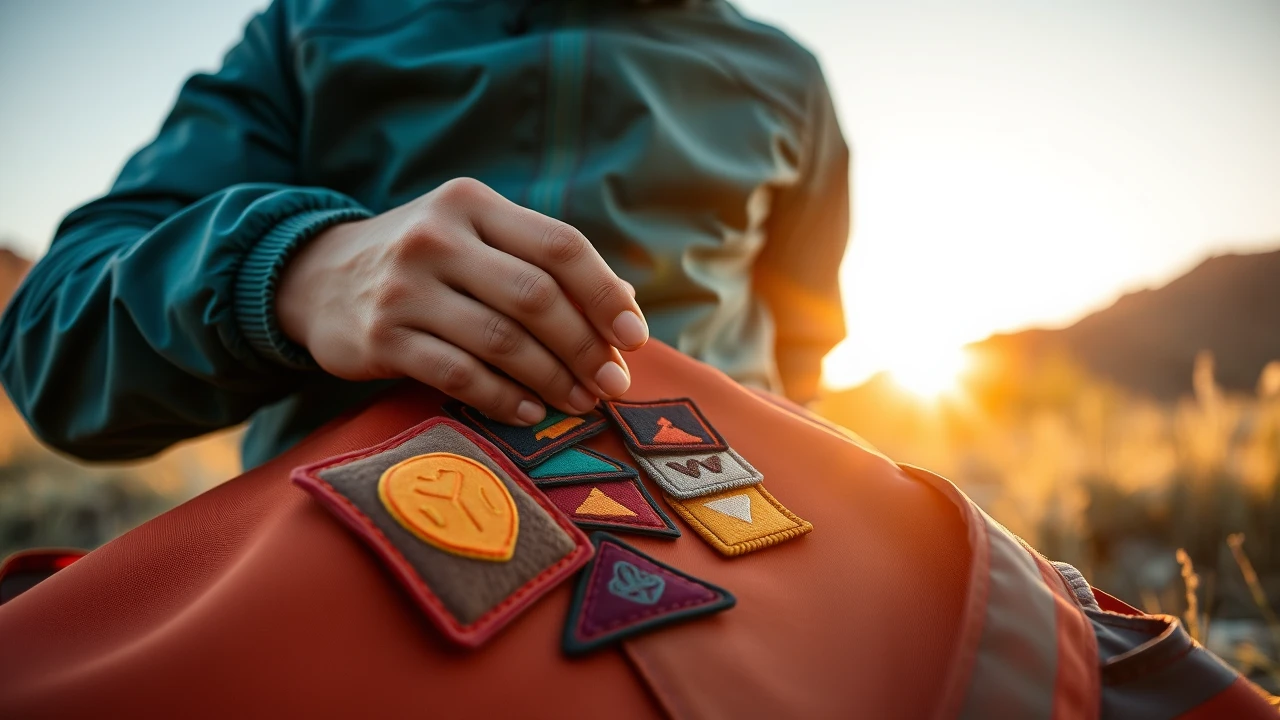
Fabric patches are a versatile and creative way to personalize apparel, gear, and accessories. Whether you're an outdoor enthusiast looking to enhance your hiking backpack, a surfer adding flair to your wetsuit, or a parent helping your child customize their school bag, fabric patches combine style, function, and self-expression. These embellishments come in various materials such as embroidered textiles, polyester, vinyl, and PVC, and offer diverse application methods including iron-on, sew-on, peel-and-stick, and Velcro attachments.
To keep your patches looking fresh and vibrant—especially given their exposure to outdoor elements like sun, water, and abrasion—it’s essential to understand how to properly maintain, clean, and store them. This guide provides practical advice to extend the life and appeal of your fabric patches, ensuring they remain a standout feature on your gear for years to come.
Understanding Your Fabric Patch: Materials and Application Methods
Before diving into maintenance, it’s important to recognize the characteristics of your fabric patches. Different materials and attachment techniques require specific care approaches.
Common Patch Materials
- Embroidered Textiles: Made from threads stitched into fabric backing; these patches boast classic textures and intricate designs.
- Polyester and Vinyl: Durable and flexible, often featuring waterproof coatings and UV resistance.
- PVC and Rubber: Known for scratch resistance and vibrant colors, ideal for rugged outdoor use.
- Eco-Friendly Fabrics: Some patches use sustainable fabrics and non-toxic adhesives, aligning with environmentally conscious crafting.
Popular Application Methods
- Iron-On: Backed with heat-activated adhesive; quick to apply but sensitive to high heat during washing.
- Sew-On: Attached by stitching; offers maximum durability and is less affected by washing conditions.
- Peel-and-Stick: Temporary adherence with repositionable adhesive; best for short-term use or projects.
- Velcro: Allows for easy removal and repositioning; suitable for gear requiring frequent customization.
Knowing these details helps tailor your cleaning and storage routine to preserve patch adhesion and appearance.
Cleaning Tips: Keeping Your Patches Vibrant and Intact
Fabric patches often face exposure to dirt, sweat, sun, and water—especially when used on outdoor gear or kids’ play items. Proper cleaning methods protect the patch’s colors, textures, and adhesive qualities.
General Cleaning Guidelines
- Spot Cleaning: For minor stains or dirt, use a damp cloth with mild soap to gently wipe the patch surface. Avoid scrubbing aggressively to prevent fiber damage or adhesive weakening.
- Hand Washing: When a deeper clean is needed, hand wash the item in cold water using a gentle detergent. Avoid soaking patches with iron-on adhesives for prolonged periods.
- Machine Washing: If your patch is sewn-on and the base fabric is machine washable, turn the item inside out and use a gentle cycle with cold water. Avoid harsh detergents and bleach.
- Avoid High Heat: Hot water and dryers can degrade adhesives and cause patch edges to curl or peel. Air-dry patched items flat or hang to dry in shaded areas.
Special Considerations for Patch Types
- Iron-On Patches: Heat can reactivate adhesives; avoid ironing directly on the patch during cleaning or drying. Use a protective cloth if pressing is necessary to reshape or flatten.
- PVC and Vinyl Patches: These materials are waterproof and scratch-resistant, so they tolerate gentle wiping well. Avoid abrasive brushes to maintain the finish.
- Reflective and Glow-in-the-Dark Patches: Clean with care to preserve their special coatings. Avoid chemical cleaners that could dull reflective surfaces or reduce glow intensity.
Storage Solutions: Protecting Your Fabric Patches When Not in Use
Proper storage of patches—whether attached to items or kept separately—helps prevent damage from moisture, sunlight, and friction.
Tips for Attached Patches
- Store patched items in cool, dry places away from direct sunlight to prevent fading and adhesive failure.
- Avoid folding patched areas sharply, as creases can weaken patch borders or cause peeling.
- For gear like backpacks or jackets, empty contents to reduce stress on patches during storage.
Tips for Loose Fabric Patches
- Keep patches flat in acid-free tissue paper or between pages of a heavy book to maintain shape.
- Use resealable, recyclable packaging or small storage boxes to protect patches from dust and moisture.
- Label storage containers by patch type, size, or theme (e.g., “Outdoor Adventure” or “Kids’ Favorites”) for easy access.
Extending Patch Life: Practical Maintenance and Repair
Even with careful cleaning and storage, patches may require occasional maintenance to retain their original look and function.
Preventive Measures
- Reinforce Edges: For sew-on or iron-on patches exposed to heavy wear, consider additional stitching around the edges to prevent fraying or peeling.
- Limit Exposure: Rotate patched items regularly to reduce continuous wear on a single patch.
- Use Protective Sprays: Waterproofing sprays designed for fabric can add an extra layer of moisture resistance without affecting patch color or texture.
Troubleshooting Common Issues
- Peeling or Lifting Edges: Gently lift the patch and apply fabric glue or adhesive tape suitable for textiles to secure edges.
- Color Fading: Store patches away from UV light when not in use and avoid bleach or harsh chemicals during washing.
- Loss of Adhesion: For iron-on patches losing stickiness, reapply heat with an iron (using a pressing cloth) to reactivate adhesive. For Velcro patches, clean hook-and-loop surfaces of lint and debris regularly.
Caring for Specialized Patches: Reflective, Glow-in-the-Dark, and Eco-Friendly Options
Fabric patches designed with additional features require particular attention to maintain those benefits.
Reflective Patches
- Clean with mild soap and water; avoid abrasive cleaners that can scratch reflective layers.
- Store in darkness when possible to preserve reflective intensity.
- Check for any damage before outdoor activities to ensure maximum visibility.
Glow-in-the-Dark Patches
- Charge patches under natural or artificial light regularly to maintain glow performance.
- Avoid prolonged exposure to direct sunlight to prevent premature degradation.
- Handle with clean hands to avoid oils that can dull phosphorescent surfaces.
Eco-Friendly Patches
- Use biodegradable or non-toxic cleaning agents to align with sustainability goals.
- Recycle packaging and minimize waste during patch application and maintenance.
- Support patches made with sustainable fabrics and adhesives by following manufacturer-recommended care instructions.
Final Thoughts: Enjoy Your Fabric Patches for the Long Haul
Fabric patches offer a fun and functional way to personalize your belongings, blending creativity with durability and often a commitment to sustainability. By understanding the materials and application methods of your patches, employing tailored cleaning and storage techniques, and performing routine maintenance, you can preserve their vibrant colors, adhesion, and special features like waterproofing and reflectivity.
Whether you’re jazzing up a surfboard bag, outfitting hiking gear, or helping kids express their style, these maintenance tips ensure your patches remain a beloved and lasting part of your adventure and creative projects.
By caring for your fabric patches mindfully, you not only extend their life but also keep your personalized gear looking sharp and ready for every journey.