
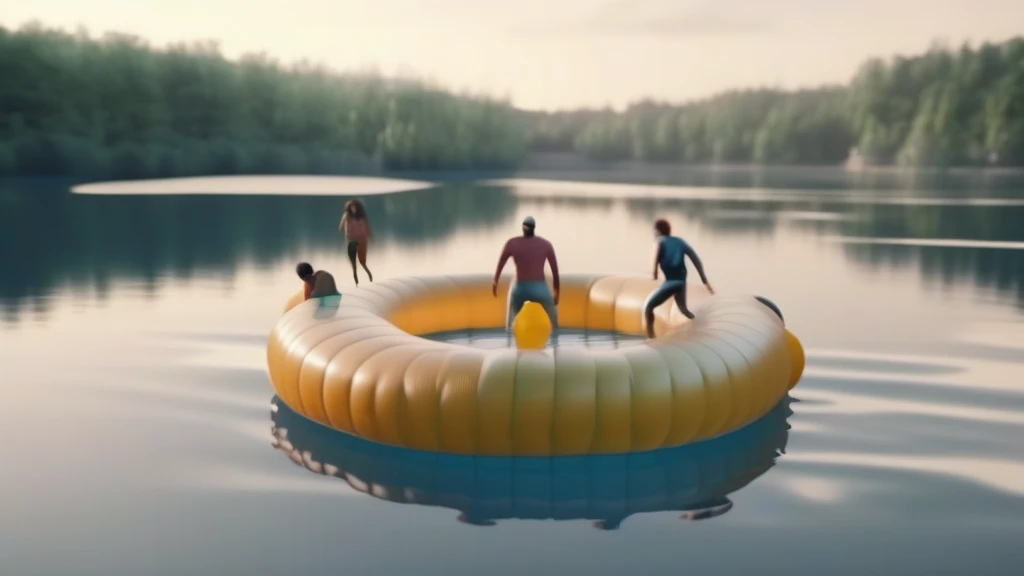
Inflatable bouncers have become a popular choice for outdoor water recreation, offering hours of active fun for families, groups of friends, and water enthusiasts alike. These vibrant, durable platforms—ranging from 8 to 12 feet in diameter—are designed to float on lakes, pools, and calm seaside waters, providing the perfect stage for bouncing, jumping, and lounging. To get the most out of your inflatable water bouncer and ensure it remains safe, reliable, and visually striking season after season, proper maintenance and care are essential.
In this guide, we’ll walk you through practical tips and best practices for cleaning, storing, and maintaining your inflatable bouncer. Whether you’re a casual user or a thrill-seeker, understanding how to care for these outdoor play essentials can extend their lifespan and keep your aquatic adventures worry-free.
Understanding Your Inflatable Bouncer’s Materials and Design
Before diving into care tips, it’s important to appreciate the characteristics of inflatable bouncers that impact maintenance:
-
Durable, Puncture-Resistant Material: Most water bouncers use robust, heavy-duty PVC or reinforced vinyl designed to withstand rough use and resist punctures. Their sturdy construction ensures stability and safety when multiple users (2 to 4 people) are bouncing simultaneously.
-
Bright, Eye-Catching Colors: Vibrant shades like blue, red, orange, and yellow are chosen not only for fun aesthetics but also for visibility on the water, which is a crucial safety feature.
-
Size and Portability: With diameters of 8 to 12 feet, these inflatables are sizeable yet portable. Many models emphasize easy inflation and deflation for quick setup and convenient transport.
Knowing these features will help you select appropriate cleaning products and storage methods that protect the material and maintain the product’s integrity.
Routine Cleaning: Keeping Your Bouncer Spotless and Safe
Regular cleaning prevents dirt, algae, and salt buildup that can degrade materials and colors over time. Here’s how to clean your inflatable bouncer effectively:
Materials Needed
- Mild, non-abrasive soap or detergent
- Soft cloths or sponges
- Fresh water supply (hose or buckets)
- Towels for drying
Step-by-Step Cleaning Process
-
Deflate and Rinse: After use, partially deflate the bouncer and rinse off any sand, dirt, or debris with fresh water. This is especially important after use in saltwater or lake environments where minerals and organic matter can accumulate.
-
Soap Wash: Mix mild soap with water and gently scrub the surface using a soft cloth or sponge. Avoid harsh chemicals or abrasive scrubbers that can damage the PVC coating or fade colors.
-
Pay Attention to Seams and Valves: Dirt and salt can accumulate around seams and inflation valves, potentially affecting the airtight seal. Clean these areas carefully and inspect for any signs of wear or damage.
-
Rinse Thoroughly: Ensure all soap residue is rinsed off with clean water to prevent material degradation.
-
Air Dry Completely: Before storing, let your inflatable bouncer dry fully in a shaded, well-ventilated area. Avoid direct sunlight during drying to prevent UV damage but ensure moisture is eliminated to prevent mold and mildew growth.
Maintenance Tips to Prolong Lifespan and Performance
Beyond cleaning, routine maintenance will help keep your inflatable bouncer in top condition:
1. Inspect for Damage Regularly
- Check for punctures, tears, or seam separation before and after each use.
- Look closely at inflation valves to ensure they seal properly and don’t leak air.
- Small punctures can often be repaired using patch kits designed for inflatable water toys—apply patches following manufacturer instructions for a watertight fix.
2. Avoid Overinflation
- Inflating beyond recommended pressure can stress seams and materials, increasing the risk of damage.
- Use a pressure gauge or manual feel to ensure the bouncer is firm but not overly taut.
3. Prevent Abrasion
- Avoid dragging the bouncer over rough surfaces like rocks or concrete.
- When moving the bouncer on land, carry it or use a protective tarp underneath.
4. Mindful Use
- Adhere to the recommended capacity (usually 2 to 4 users) to avoid excessive strain.
- Supervise children to prevent roughhousing that could cause accidental damage.
Proper Storage: Protecting Your Inflatable Bouncer Off-Season
How you store your inflatable bouncer can make a significant difference in its longevity:
Steps for Safe Storage
-
Clean and Dry Thoroughly: As emphasized, ensure the bouncer is spotless and completely dry to avoid mold, mildew, or material breakdown.
-
Deflate Carefully: Fully deflate without forcing air out too quickly, which could damage valves.
-
Fold Neatly: Fold the bouncer loosely along natural seams, avoiding sharp creases that can weaken the material.
-
Use a Storage Bag or Container: Many inflatables come with storage bags; if not, use a large, breathable container. Avoid plastic bags that can trap moisture.
-
Store in a Cool, Dry Place: Keep the bouncer away from direct sunlight, extreme temperatures, and rodents or pests. A closet or garage shelf works well as long as it’s dry and protected.
Seasonal Considerations
- For winter storage, prolonged exposure to freezing temperatures can make PVC brittle. Store indoors in a temperature-controlled environment if possible.
- In hot climates, avoid leaving the bouncer stored in direct sunlight or hot garages as heat can soften and warp the material.
Troubleshooting Common Issues
Even with careful maintenance, issues can arise. Here are quick fixes for common problems:
Leaks and Punctures
- Use a patch kit with adhesive patches specifically for inflatable water toys.
- Locate the leak by inflating and listening for escaping air or submerging the bouncer in shallow water to look for bubbles.
- Clean and dry the area before applying the patch for best adhesion.
Valve Malfunctions
- If valves leak air, check for debris or damage.
- Some valves can be replaced or repaired; otherwise, consult the manufacturer’s recommendations.
Final Thoughts: Caring for Your Inflatable Bouncer Pays Off
Inflatable water bouncers are an investment in fun and active outdoor play. Their unique combination of large floating platforms, multi-user capacity, and colorful designs makes them standout aquatic toys for family outings and social gatherings. By following these maintenance and care tips—regular cleaning, inspection, proper inflation, and mindful storage—you ensure your bouncer remains safe, durable, and visually appealing for many seasons.
Remember, the cornerstone of longevity lies in gentle handling and routine upkeep. Taking a little extra time to care for your inflatable bouncer not only protects your investment but also guarantees countless happy hours of active play on the water. Whether it’s a calm day at the lake, a pool party, or a beach vacation, your well-maintained inflatable bouncer will continue to be the centerpiece of water fun.
Keywords: inflatable bouncers maintenance, outdoor inflatable water toys, cleaning inflatable water bouncers, inflatable bouncer storage, inflatable water play equipment care, durable water bouncers, family aquatic recreation equipment