
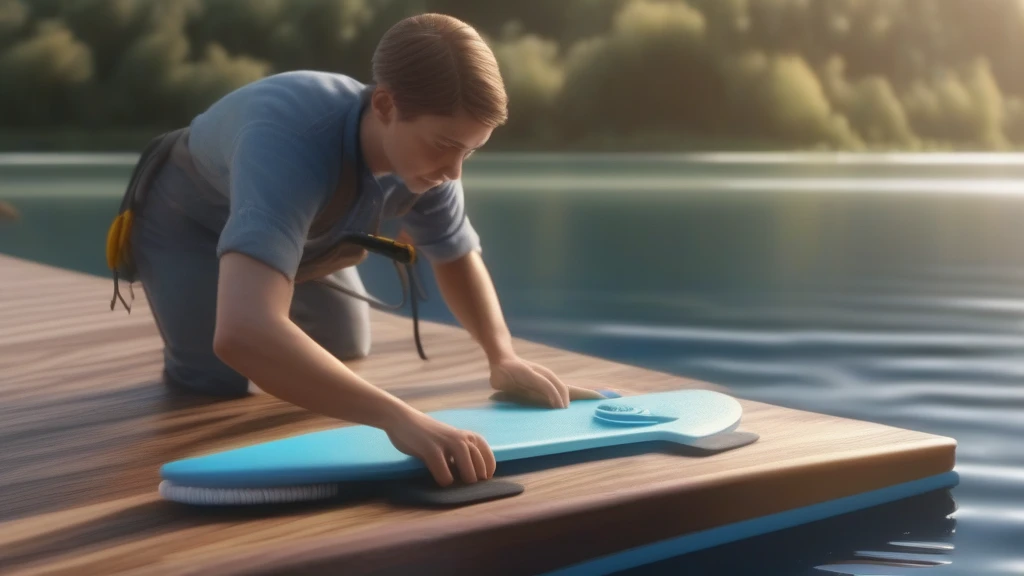
Kneeboarding is a thrilling water sport that combines balance, agility, and fun on the water. Whether you are a beginner enjoying family outings or a competitive athlete pushing the limits of freestyle tricks, maintaining your kneeboard is essential to ensure safety, performance, and longevity. With kneeboards crafted from advanced materials—ranging from fiberglass and polyurethane to premium carbon fiber—and equipped with features like adjustable fins, ergonomic straps, and UV-resistant coatings, proper care can keep your board in top condition season after season.
This guide offers practical advice on maintaining, cleaning, storing, and extending the life of your kneeboard, helping you get the most from your investment and enjoy countless hours of fun on the water.
Understanding Your Kneeboard’s Construction and Features
Before diving into maintenance tips, it’s important to understand the key characteristics of kneeboards and how they influence care requirements:
- Materials: Most kneeboards are made from durable, lightweight composites such as fiberglass or polyurethane. Advanced models use carbon fiber for enhanced strength and reduced weight.
- Coatings: UV-resistant and waterproof finishes protect the board’s surface from sun damage and water absorption.
- Pads and Straps: Soft EVA foam or high-density foam pads provide rider comfort, while adjustable ergonomic straps secure your knees.
- Fins and Rocker Profiles: Fins may be fixed, adjustable, detachable, or sometimes absent (no-fin designs for beginners). Rocker profiles vary from flat (beginner-friendly) to high rocker (performance-oriented).
- Sustainability Features: Some boards incorporate eco-friendly materials and recyclable components.
Knowing these details helps tailor your maintenance routine to your specific kneeboard model.
Cleaning Your Kneeboard: Best Practices
Regular cleaning prevents salt, sand, and grime buildup that can degrade materials and compromise performance.
After Each Use
-
Rinse Thoroughly with Fresh Water
Saltwater and chlorinated pools can corrode hardware and weaken fiberglass or composite finishes. Use a hose or bucket of fresh water to rinse every surface, paying close attention to the underside, fin boxes, and straps. -
Gently Remove Debris
Use a soft brush or sponge to lightly scrub away sand, algae, or dirt. Avoid abrasive pads that can scratch the waterproof coating or foam pads. -
Check for Damage
While cleaning, inspect the board for cracks, delamination, or loose straps. Early detection helps prevent minor issues from worsening.
Deep Cleaning (Monthly or After Heavy Use)
- Use a mild soap or specialized marine cleaner diluted in fresh water to clean the deck and pads.
- Remove fins if detachable and clean fin boxes to clear trapped debris.
- Wipe down straps and buckles with a damp cloth to maintain flexibility.
Avoid harsh chemicals like bleach or solvents, which may damage the board’s surface or affect eco-friendly coatings.
Maintenance Tips to Extend the Life of Your Kneeboard
Proper maintenance goes beyond cleaning and involves routine checks and care for components unique to kneeboards.
Protecting the Board Surface
- Apply UV Protectant: Even with factory-applied UV-resistant coatings, applying an additional UV protectant spray before storage can help reduce sun damage.
- Waxing: Some riders apply a marine wax designed for fiberglass or composite boards to enhance water repellence and gloss. Be sure to use products compatible with your board’s finish.
Caring for Pads and Straps
- Inspect and Tighten: Check straps for wear and elasticity. Replace any frayed or damaged straps promptly to avoid accidents.
- Dry Completely: Always dry pads and straps thoroughly after use to prevent mold or mildew buildup.
- Foam Pad Replacement: Over time, EVA or high-density foam pads can compress or degrade. Replace them as needed to maintain comfort and grip.
Maintaining Fins and Hardware
- Check Fin Condition: Look for cracks, chips, or warping, especially in adjustable or detachable fin systems. Replace damaged fins to preserve handling.
- Lubricate Moving Parts: For boards with adjustable fins or folding mechanisms, apply a silicone-based lubricant to prevent corrosion and ensure smooth operation.
- Secure Bolts and Screws: Periodically tighten all hardware to prevent loosening during rides.
Proper Storage: Keeping Your Kneeboard Safe Off the Water
How you store your kneeboard significantly impacts its lifespan.
Short-Term Storage (Between Sessions)
- Store the board in a shaded, well-ventilated area away from direct sunlight.
- Lay it flat or use a padded rack designed for boards to avoid warping.
- Avoid placing heavy objects on top, which can deform the foam pads or damage the fiberglass shell.
Long-Term Storage (Off-Season)
- Clean and dry the board thoroughly.
- Remove fins, straps, and other detachable accessories, storing them separately.
- Use a breathable board bag or cover that offers UV protection and prevents dust buildup.
- Keep the board indoors or in a climate-controlled environment to avoid extreme temperature fluctuations, which can cause material expansion or contraction.
Transport Tips to Prevent Damage
Transporting your kneeboard safely reduces the risk of dents, scratches, or delamination.
- Use padded roof racks or dedicated board carriers that secure the board firmly.
- Place a protective cover or blanket between the board and rack.
- Avoid dragging the board on rough surfaces.
- If transporting by trailer or truck bed, immobilize the board to prevent shifting during transit.
Troubleshooting Common Kneeboard Issues
Even with careful maintenance, issues can arise. Here’s how to handle some typical problems:
Cracks or Surface Damage
- Minor surface cracks can be repaired with marine-grade epoxy or repair kits included with many family-friendly kneeboards.
- For larger structural damage, consult a professional repair service, especially for high-performance carbon fiber boards.
Delamination
- Caused by water infiltration between the outer layer and core, delamination can be prevented by inspecting and repairing any punctures promptly.
- Early-stage delamination can sometimes be fixed with vacuum bagging techniques; otherwise, replacement may be necessary.
Fading or Discoloration
- Prolonged sun exposure causes color fading despite UV coatings.
- Applying UV protectants regularly slows this process but consider storing the board indoors when not in use.
Sustainability Considerations in Kneeboard Care
As the kneeboarding industry embraces eco-friendly practices, maintaining your board sustainably is increasingly important.
- Use biodegradable, non-toxic cleaning products to minimize environmental impact.
- When replacing parts, select components made from recyclable or renewable materials.
- Dispose of old foam pads, straps, and damaged boards responsibly through recycling programs or manufacturer take-back initiatives if available.
Conclusion
A well-maintained kneeboard offers better performance, enhanced safety, and a longer service life. By understanding the materials and features of your board, following consistent cleaning routines, protecting it from sun and water damage, and storing it properly, you can enjoy smooth rides and confident maneuvers season after season.
Whether you’re a novice seeking stability with a no-fin, low-rocker recreational board or an advanced athlete mastering tricks on a carbon fiber, high-rocker kneeboard with adjustable fins, adopting these maintenance tips ensures your equipment stays reliable and ready for the next adventure on the water.