
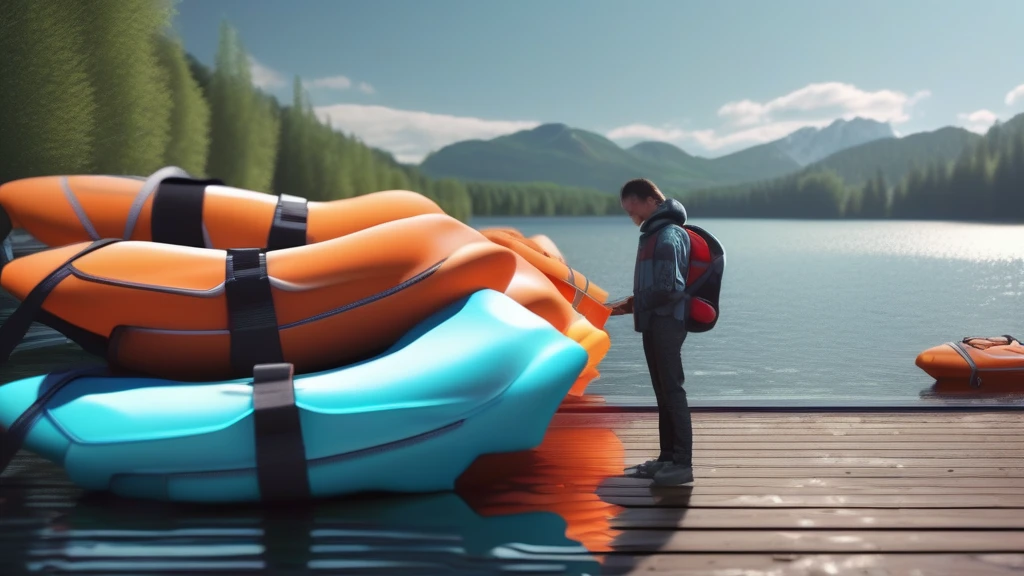
Life jackets are indispensable safety gear for anyone engaging in boating and water sports. Whether you're a recreational kayaker, a commercial fisherman, or a family enjoying a day on the lake, maintaining your life jackets ensures they perform optimally when it matters most. Given their vital role in buoyancy and rescue, proper care, cleaning, and storage of life jackets not only extend their lifespan but also uphold your safety on the water.
This comprehensive guide will walk you through practical maintenance tips and tricks tailored to the diverse range of life jackets available today—from buoyant foam-filled vests to inflatable models—highlighting how to preserve their durability, functionality, and safety features.
Understanding Your Life Jacket: Types and Materials
Before diving into maintenance techniques, it’s essential to understand the type of life jacket you own, as care requirements can vary. Life jackets are classified by the US Coast Guard into five types:
- Type I: Offshore life jackets with maximum buoyancy, designed for rough or remote waters.
- Type II: Near-shore buoyant vests suitable for calm waters.
- Type III: Recreational life jackets offering standard buoyancy and comfort for activities like kayaking and paddleboarding.
- Type IV: Throwable flotation devices such as ring buoys and cushions.
- Type V: Specialized or hybrid jackets, often inflatable, designed for specific activities or conditions.
Materials commonly used include UV-resistant ripstop nylon, marine-grade vinyl, and polyester exteriors, with flotation cores made from closed-cell foam or inflatable bladders. Many modern life jackets integrate eco-conscious elements like recyclable foams and biodegradable coatings.
Knowing your jacket type and materials will help you adopt the right maintenance approach.
Routine Inspection: The First Step in Life Jacket Care
Regular inspections keep your life jackets in service-ready condition. Follow these steps before and after every outing:
Check for Physical Damage
- Fabric integrity: Look for tears, abrasions, or worn areas in the outer shell materials such as ripstop nylon or marine vinyl.
- Seams and stitching: Ensure all seams are intact without fraying or separation.
- Buckles and straps: Test adjustable buckles and quick-release fasteners for wear, cracks, or stiffness.
- Reflective tape and accessories: Confirm reflective strips, glow-in-the-dark elements, whistles, and rescue handles are securely attached and visible.
- Inflatable bladders (for Type V): If your life jacket has an inflatable bladder, check the CO2 cartridge status, oral inflation tube, and automatic/manual inflation mechanisms.
Assess Buoyancy Components
- For foam-filled jackets, gently squeeze the foam to detect any signs of waterlogging or deterioration.
- For inflatable jackets, verify the inflation system functions properly by conducting a test inflation if recommended by the manufacturer.
Document any damage or malfunction and replace or repair parts as needed according to safety guidelines.
Cleaning Your Life Jacket: Keeping It Fresh and Functional
Saltwater, sun exposure, sweat, and dirt can degrade life jackets if not cleaned properly. Here’s how to maintain cleanliness without compromising materials or buoyancy.
Cleaning Steps
- Rinse with fresh water: After every use, rinse the jacket thoroughly to remove salt, sand, and chlorine. This prevents abrasive buildup and corrosion on buckles or zippers.
- Mild soap solution: Occasionally wash with a gentle soap or non-detergent cleaner diluted in water. Avoid harsh chemicals, bleach, or solvents that can weaken fabric coatings and foam.
- Use a soft brush or sponge: For stubborn stains, gently scrub with a soft brush focusing on straps, seams, and foam surfaces.
- Rinse again: Ensure all soap residues are flushed out to avoid sticky textures or material breakdown.
- Dry thoroughly: Air dry in a shaded, well-ventilated area away from direct sunlight to prevent UV damage and color fading. Do not use dryers or apply heat sources.
Special Considerations for Inflatable Life Jackets
- Do not submerge inflatable units fully unless manufacturer instructions specify.
- After cleaning, inspect the inflation system and allow adequate drying time to avoid moisture-induced failures.
Proper Storage: Protecting Your Life Jackets Between Uses
How you store your life jackets significantly impacts their longevity and readiness.
Storage Tips
- Keep life jackets dry: Moisture promotes mold, mildew, and foam degradation. Store jackets only after they are completely dry.
- Avoid direct sunlight: UV rays break down synthetic fibers and fade colors, reducing visibility and material strength.
- Hang or lay flat: Use broad hangers or flat surfaces to maintain shape and prevent foam compression or deformation. Avoid folding or cramming into tight spaces.
- Temperature control: Store in a cool, ventilated environment away from extreme heat or cold, which can affect foam density and plastic components.
- Separate from chemicals: Keep life jackets away from gasoline, oils, solvents, and other corrosive substances common in boating environments.
Travel and Portability
For foldable or compact life jackets designed for travel, follow manufacturer folding instructions carefully to avoid damaging inflatable bladders or foam cores.
Extending Life Jacket Longevity: Best Practices
Beyond cleaning and storage, these tips will help preserve your life jacket’s performance:
- Rotate use: If you own multiple jackets, rotate them to reduce wear and tear on a single unit.
- Avoid over-tightening: Straps and buckles should be snug but not excessively tight, which can strain materials.
- Replace worn components: Buckles, zippers, or straps showing signs of fatigue should be repaired or replaced using approved parts.
- Follow manufacturer guidelines: Adhere to care instructions specific to your life jacket model, especially for inflatable units requiring annual servicing.
- Regular professional checks: For commercial or safety-critical applications, schedule periodic inspections by certified technicians.
When to Retire Your Life Jacket
Even with optimal care, life jackets have a finite lifespan. Consider replacing your jacket if you notice:
- Significant fabric deterioration or large tears
- Foam that feels waterlogged or compressed and no longer provides buoyancy
- Inflatable units with faulty inflation mechanisms or expired CO2 cartridges
- Buckles or straps that cannot be securely fastened or repaired
- Faded colors and reflective materials that impair visibility
Most manufacturers recommend replacing life jackets every 5 to 10 years depending on usage and environmental exposure.
Conclusion
Caring for your life jackets is an investment in your safety and peace of mind on the water. Through regular inspections, careful cleaning, and mindful storage, you can extend the functional life of your flotation devices—whether foam-based or inflatable, Type I through Type V. This attention to maintenance ensures buoyancy, visibility, and rescue-ready features remain intact, protecting you and your loved ones during boating, fishing, kayaking, paddleboarding, or any water activity.
By understanding the specific materials and design features of your life jacket, and following these practical maintenance tips, you’ll maximize durability and uphold critical safety standards for many seasons to come. Stay safe and enjoy the water with confidence!