
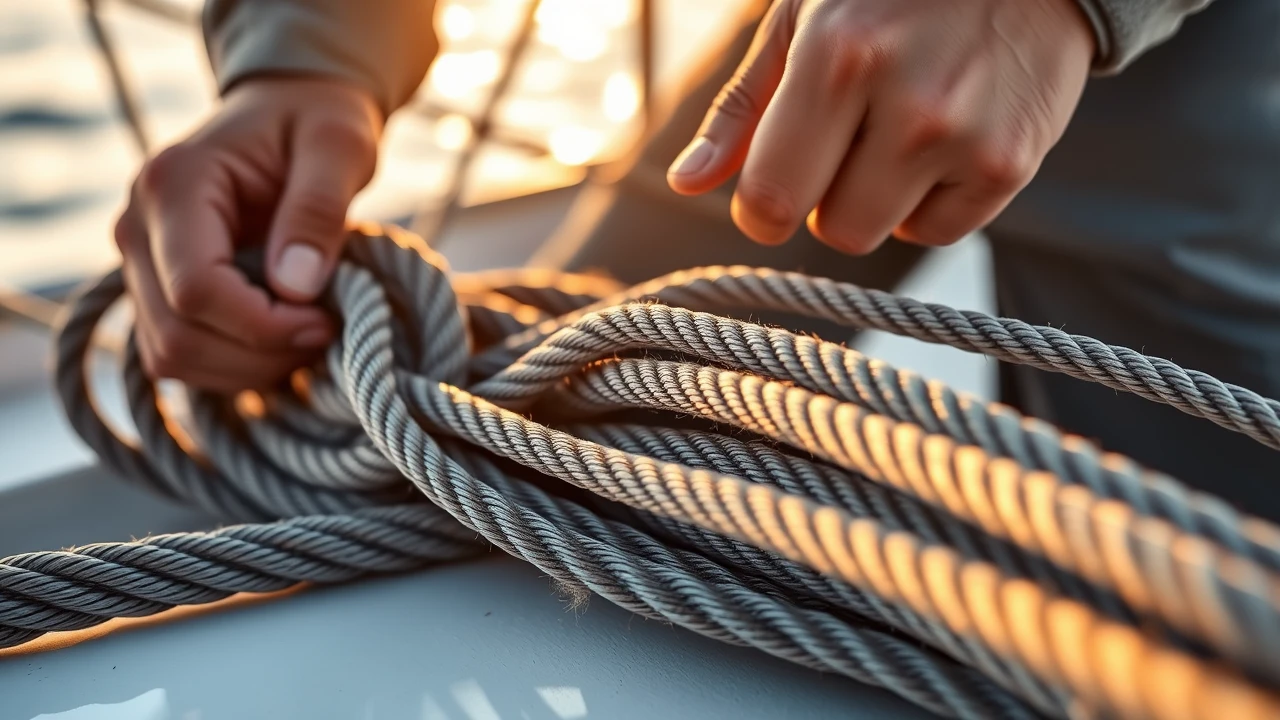
Ropes and hardware cables play a crucial role in a variety of marine, water sports, docking, and rescue applications. Whether you’re a boating enthusiast, a wakeboarder, or a professional rescue operator, understanding how to properly maintain these specialized ropes can dramatically extend their lifespan, ensure safety, and preserve performance. This comprehensive guide offers practical maintenance, cleaning, storage, and care tips tailored to the unique characteristics of ropes and cables designed for demanding aquatic environments.
Understanding Your Ropes & Hardware Cable: Materials and Features
Before diving into maintenance best practices, it’s important to recognize what makes ropes in this category special. These ropes are engineered for durability, safety, and environmental responsibility, with features including:
- Materials: Commonly nylon, polypropylene, polyester, or braided polyethylene. These materials provide high tensile strength (up to 2,500 lbs), abrasion resistance, and buoyancy.
- UV Resistance: To withstand prolonged sun exposure without degradation.
- Waterproof and Floating Designs: Many ropes float or partially float, which increases safety and ease of retrieval.
- Ergonomic Handles: Often constructed with EVA foam or rubber to enhance grip and comfort during use.
- Reinforced Loops and Quick-Release Mechanisms: For enhanced safety, particularly critical in rescue and towing scenarios.
- Certifications: TÜV, ISO, CE, and marine safety certifications ensure reliability and compliance with safety standards.
- Eco-Friendly Features: Biodegradable coatings and recyclable components that reflect sustainable manufacturing.
Knowing these features helps you select the appropriate maintenance routine to protect your investment and maintain optimal performance.
Essential Maintenance Tips for Longevity and Safety
1. Regular Inspection for Wear and Damage
Frequent visual and tactile inspections are the first line of defense for rope care. Look for:
- Fraying or broken fibers, particularly near loops or connection points.
- Signs of abrasion, such as discoloration or thinning spots along the rope.
- Stiff or hardened sections, which can indicate damage from chemicals or UV exposure.
- Corrosion or wear on metal hardware and quick-release components.
For rescue ropes and those used in safety-critical applications, inspections should be done before and after every use. Replace any rope showing significant wear immediately to prevent failure.
2. Proper Cleaning Techniques
Saltwater, dirt, and contaminants can degrade rope fibers and hardware over time. Follow these cleaning guidelines:
- Rinse with fresh water after every use in saltwater environments to remove salt crystals.
- For deep cleaning, soak the rope in lukewarm water with mild soap or specialized rope cleaner. Avoid harsh detergents or bleach that can damage fibers.
- Use a soft brush to gently remove stubborn dirt but avoid aggressive scrubbing that could weaken the rope.
- Allow the rope to air dry completely in a shaded, well-ventilated area. Avoid direct sunlight, which can accelerate UV degradation.
- Clean hardware separately, wiping down metal parts and lubricating moving components such as quick-release mechanisms with appropriate marine-grade lubricants.
3. Storage Best Practices
How you store your ropes significantly impacts their lifespan:
- Store ropes in cool, dry places away from direct sunlight to prevent UV damage.
- Use the included storage bags or spools to keep ropes organized, prevent tangling, and protect them from dust and dirt.
- Avoid storing ropes near chemicals, oils, or solvents which can weaken synthetic fibers.
- Coil ropes loosely to prevent kinks or permanent bends.
- For floating ropes, ensure they are fully dry before storage to prevent mold or mildew growth.
Specialized Maintenance for Different Rope Types
Wakeboard and Water Ski Ropes
- These ropes often have ergonomic EVA foam handles and are subject to high dynamic loads.
- Check handle grips for wear and replace if they become slippery or damaged.
- Because these ropes frequently get wet and exposed to sun, rinse and dry thoroughly after each use.
- Inspect quick-release mechanisms to ensure smooth operation for emergency detachment.
Tow Ropes for Inflatable Tubes
- Typically made from polypropylene or braided polyethylene for buoyancy.
- Floating characteristics mean these ropes often lie on water surfaces—rinse off dirt and algae buildup regularly.
- Check for UV damage, as tubes tend to be used in sunny conditions.
- Store away from sharp objects to avoid cuts or abrasions.
Anchor Lines and Docking Ropes
- Often thicker (up to 12mm) and longer (up to 100 ft), these ropes endure constant tension and abrasion against docks or rocky seabeds.
- Inspect for wear at high-friction points like loops and attachment hardware.
- Clean off mud, seaweed, and salt deposits regularly.
- Consider rotating anchor lines periodically to distribute wear evenly.
Rescue Ropes
- These ropes are subject to the highest safety standards and certifications.
- Maintain high-visibility coloring by cleaning with non-abrasive solutions.
- Perform thorough inspections before and after each deployment.
- Keep quick-release and reinforcement hardware lubricated and free of debris.
- Store in dedicated rescue bags that protect from environmental contaminants.
Extending Rope Life: Additional Tips and Tricks
- Avoid Overloading: Always use ropes within their tensile strength limits (e.g., up to 2,500 lbs). Overloading causes irreversible fiber damage.
- Minimize Abrasion: Use chafe guards or sleeves on ropes frequently rubbing against surfaces.
- Rotate Usage: When possible, alternate between ropes to reduce wear frequency.
- Eco-Friendly Disposal: When ropes reach end of life, dispose of them responsibly by recycling components or using biodegradable rope options.
- Warranty Awareness: Many ropes come with warranties from six months to lifetime. Follow manufacturer care instructions closely to retain warranty coverage.
Conclusion
Proper care and maintenance of your ropes and hardware cables are essential for safety, performance, and durability in demanding marine and water sport environments. By understanding the unique properties of your equipment—such as materials, floating capabilities, ergonomic handles, and safety certifications—you can implement effective cleaning, inspection, and storage routines that extend service life and reduce risk.
Whether you’re towing a tube, anchoring a boat, or performing a rescue, well-maintained ropes deliver reliability when it matters most. Embrace these maintenance tips and make rope care a regular part of your routine to protect your investment and enjoy worry-free adventures on the water.