
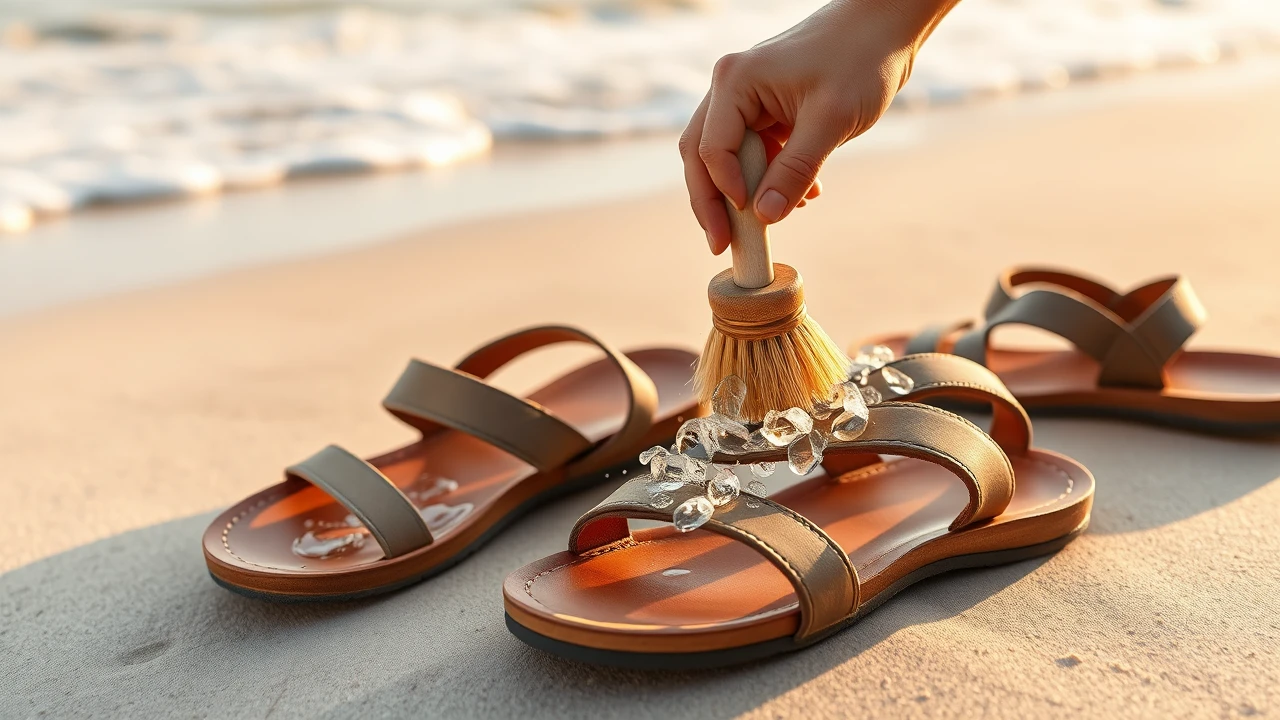
Sandals are a versatile and essential part of many wardrobes, offering breathable comfort, style, and functionality for a wide range of activities—from casual beach days to rugged hikes and fashionable outings. Whether you own a pair of quick-dry sports sandals, elegant heeled gladiators, or eco-friendly slides, proper care can significantly extend their lifespan and maintain their performance. This comprehensive guide explores practical maintenance, cleaning, and storage strategies tailored to the unique materials and technologies found in modern sandals.
Understanding Sandal Materials and Features
Before diving into care tips, it’s important to recognize the diverse materials and features that sandals commonly incorporate today, as each requires specific attention:
- Synthetic Leather: Often used in fashion sandals and adjustable straps, it mimics natural leather’s look but is generally more water-resistant and easier to clean.
- EVA Foam: Lightweight and cushioned, EVA is popular for midsoles and footbeds, providing shock absorption and comfort.
- Neoprene: A waterproof, stretchy material frequently found in hiking sandals and water-friendly designs.
- Recyclable Components: Many eco-conscious sandals use recyclable polymers and fabrics, emphasizing sustainability.
- Waterproof and Quick-Dry Fabrics: Enable sandals to dry rapidly after exposure to water or sweat.
- Non-Slip Soles: Rubber or TPU soles with tread patterns that enhance grip on wet or uneven terrain.
- Adjustable Arch and Heel Support: Ergonomically designed straps and footbeds that can be customized for comfort and stability.
Knowing these characteristics helps tailor your maintenance routine to keep your sandals looking and performing at their best.
Cleaning Your Sandals: Step-by-Step Guide
Daily and Routine Cleaning
For everyday sandals like casual flip-flops or slides made with EVA foam and synthetic leather:
- Remove Loose Dirt: Tap sandals together or use a soft brush to dislodge sand, dirt, or debris from soles and straps.
- Wipe Down Surfaces: Use a damp cloth with mild soap or specialized shoe cleaner to gently wipe all surfaces.
- Rinse if Needed: For waterproof and quick-dry materials, rinse under lukewarm water to remove stubborn dirt.
- Air Dry: Let sandals dry naturally away from direct sunlight or heat sources to prevent material warping or fading.
Deep Cleaning for Rugged and Water-Use Sandals
Hiking sandals and water shoes with neoprene and reinforced soles require occasional deep cleaning:
- Soak in Warm Soapy Water: Use a basin with mild detergent and soak for 15-20 minutes to loosen grime.
- Scrub Gently: Employ a soft-bristled brush to clean tread patterns and straps, focusing on non-slip soles and crevices.
- Rinse Thoroughly: Remove all soap residues to avoid material breakdown.
- Use Odor Control: Sprinkle baking soda inside the footbed or use antimicrobial sprays designed for footwear to combat odor.
- Dry Properly: Stuff sandals with newspaper or moisture-wicking cloth to absorb excess water and maintain shape as they air dry.
Tip: Avoid machine washing or drying unless explicitly stated by the manufacturer, as it can degrade adhesives and padding.
Maintaining Key Features for Longevity
Preserving Adjustable Straps and Supports
Many sandals feature Velcro, buckles, or elastic straps for adjustable arch and heel support. To maintain these:
- Keep Velcro Clean: Remove lint and debris using a fine-toothed comb or tape to preserve fastening strength.
- Lubricate Buckles: Occasionally apply a small amount of silicone-based lubricant to metal or plastic buckles to prevent stiffness.
- Check Elastic Bands: Avoid overstretching and inspect for signs of wear or fraying, replacing straps if necessary.
Protecting Footbeds and Cushions
Footbeds made from EVA foam or cushioned materials provide ergonomic support but can compress or degrade over time:
- Rotate Use: Avoid wearing the same sandals daily to allow materials to decompress and air out.
- Use Insoles or Footbed Protectors: Consider adding removable insoles for extra cushioning and to reduce direct wear on the original footbed.
- Avoid Excessive Moisture: Though many sandals are waterproof, prolonged exposure to moisture can break down adhesives and padding.
Proper Storage Practices
How you store your sandals affects their shape, material integrity, and readiness for your next outing:
- Clean Before Storing: Always clean sandals thoroughly before putting them away.
- Store in a Cool, Dry Place: Avoid humid environments which can promote mold or mildew growth.
- Use Shoe Bags or Boxes: Protect delicate fashion sandals, especially those with synthetic leather or decorative elements, from dust and damage.
- Avoid Piling or Crushing: Store sandals individually or on racks to prevent deforming straps or soles.
- Maintain Shape: For foldable travel sandals, keep them folded as instructed; for others, use shoe trees or stuff them lightly with tissue paper to maintain form.
Repair and Maintenance Tips to Extend Use
Some sandals come with warranties and repair kits—take advantage of these features to prolong your footwear’s life:
- Replace Worn Out Soles: Non-slip and impact-resistant soles can wear down over time; resoling services or DIY sole replacements can restore grip.
- Fix Loose Straps: Use fabric glue or specialized adhesives designed for synthetic materials to repair minor strap detachments.
- Refresh Color and Finish: Synthetic leather sandals can benefit from gentle polish or conditioners formulated for faux leather.
- Address Odor Issues: Regularly apply odor-resistant sprays or inserts to keep sandals fresh, especially after water or outdoor use.
Tips for Specific Sandal Types
Casual Flip-Flops and Slides
- Lightweight EVA and rubber models dry quickly but can trap sand in textured footbeds—clean regularly.
- Avoid walking on rough terrain in thin-soled flip-flops to prevent sole damage.
Hiking and Sports Sandals
- Rinse off mud and grit promptly to protect neoprene and non-slip soles.
- Inspect arch supports and heel straps after hikes for any needed adjustments.
Fashion Heeled and Gladiator Sandals
- Store upright in shoe bags to prevent strap tangling.
- Clean synthetic leather surfaces with products suited for delicate materials.
Travel-Ready Foldable Sandals
- Always dry fully before folding to prevent mold.
- Follow manufacturer guidelines for folding/unfolding to avoid material fatigue.
Final Thoughts
Proper care for your sandals not only keeps them looking good but also preserves the advanced features—like ergonomic arch support, waterproof fabrics, and non-slip soles—that make them comfortable and safe for your lifestyle. By understanding the materials and technologies involved, cleaning thoughtfully, storing correctly, and addressing repairs promptly, you can enjoy your sandals for many seasons to come.
Investing a little time in maintenance translates into long-lasting comfort, style, and performance—whether you’re exploring urban streets, trekking rugged trails, or relaxing poolside. With these practical tips and tricks, your sandals will be ready to support every step of your journey.