
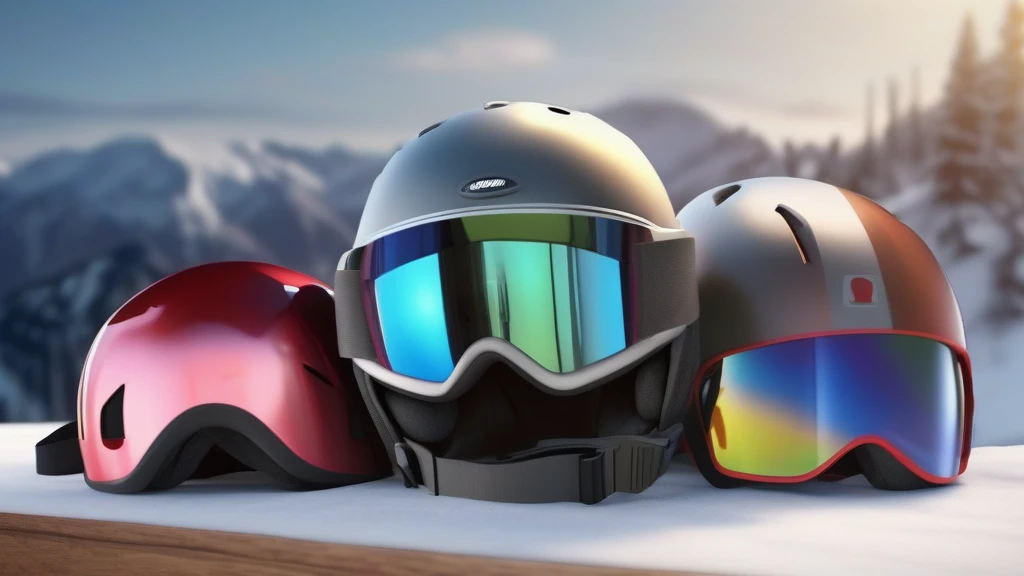
Ski and snowboard helmets are essential gear for winter sports enthusiasts, offering critical protection against head injuries while delivering comfort and style. These helmets combine advanced safety technologies, lightweight durable materials, adjustable fit systems, and ventilation features tailored to the challenging conditions of alpine environments. To ensure your helmet continues to perform at its best season after season, proper care and maintenance are key. This guide provides actionable tips on cleaning, storage, inspection, and general upkeep that will help extend the life and effectiveness of your ski and snowboard helmets.
Understanding Your Helmet’s Construction and Features
Before diving into maintenance, it’s important to recognize the specialized design elements of ski and snowboard helmets. Most helmets in this category feature:
- Impact-resistant outer shells made from polycarbonate, ABS, carbon fiber, or hybrid composites, providing a tough barrier against impacts while remaining lightweight.
- Multi-impact EPS foam liners or advanced alternatives such as MIPS (Multi-directional Impact Protection System) to reduce rotational forces during falls.
- Adjustable fit systems like dial fits or interchangeable padding to customize comfort and ensure a secure fit.
- Ventilation solutions including multiple vents, removable covers, and airflow channels to prevent fogging and overheating.
- Comfort features like fleece or sweat-wicking liners, detachable and pressure-free ear pads, and ergonomic shapes suited for prolonged wear.
- Goggle compatibility, often with magnetic or clip holders designed for seamless integration.
- Quick-release chin straps for easy fastening and removal.
Each of these elements requires specific care considerations to maintain their function and durability.
Cleaning Your Ski & Snowboard Helmet
Outer Shell
The helmet’s shell is usually made from tough materials like polycarbonate or carbon fiber composites. To clean:
- Use a soft cloth or sponge with mild soap and warm water.
- Avoid harsh chemicals, solvents, or abrasive materials that could damage the finish or degrade protective coatings.
- Gently wipe away dirt, salt residue, and grime accumulated from outdoor use.
- Dry with a soft towel and allow to air dry completely before storage.
Interior Liners and Padding
The interior comfort liners and pads are often removable and made from moisture-wicking, antimicrobial fabrics.
- Remove liners and pads according to manufacturer instructions.
- Hand wash with gentle detergent in cold or lukewarm water to preserve fabric integrity.
- Avoid machine washing or drying unless explicitly allowed.
- Air dry thoroughly in a well-ventilated area away from direct sunlight or heat sources to prevent shrinking or material breakdown.
Regular cleaning of liners is essential to control odor, sweat buildup, and bacterial growth, especially after multiple days of use.
Ventilation Channels and Vents
- Use a soft brush or compressed air to clear vents of dust, snow, and debris.
- Check removable vent covers for ice buildup; gently thaw and clean as needed.
- Proper ventilation maintenance improves airflow and anti-fog performance.
Storage Best Practices
Proper storage is crucial to preserving your helmet’s shape, materials, and safety performance.
- Store helmets in a cool, dry place away from direct sunlight or heat sources. UV rays and heat can degrade plastics and adhesives.
- Avoid placing heavy objects on top of the helmet to prevent deformation.
- Use a helmet bag or padded case for protection during transport and off-season storage.
- Keep helmets away from chemicals like gasoline, cleaning solvents, or insect repellents that can weaken shell materials.
If your helmet features removable liners or padding, store these separately after cleaning to prevent mold or mildew.
Regular Inspection and Maintenance
Visual Checks
Before each season and periodically during use, inspect your helmet carefully:
- Look for cracks, dents, or deep scratches on the outer shell.
- Check the EPS foam liner for compression damage or cracks.
- Ensure that MIPS or other impact mitigation systems are intact and functioning.
- Test the adjustable fit system for smooth operation and secure locking.
- Examine chin straps, buckles, and quick-release mechanisms for wear or damage.
- Confirm that ear pads and liners are securely attached and in good condition.
Functional Testing
- Adjust ventilation controls to verify they open and close without resistance.
- Attach and detach goggles to ensure compatibility mechanisms work properly.
- Confirm that the helmet still fits snugly and comfortably after modifying padding or adjustments.
If you find any significant damage or compromised components, it’s safest to retire the helmet and replace it rather than risk reduced protection.
Extending Helmet Lifespan: Practical Tips
- Limit exposure to extreme temperatures: Avoid leaving your helmet in a hot car or exposed to freezing conditions for extended periods.
- Handle with care: Use the helmet’s straps or designated handles to carry it rather than tossing or dropping it.
- Use helmet covers: When skiing or snowboarding in wet or icy conditions, helmet covers can shield the surface from scratches and moisture.
- Rotate multiple helmets: For avid winter athletes, rotating between two helmets can reduce wear and allow thorough drying and airing between sessions.
- Replace after impact: Even if no visible damage occurs, helmets are designed for single-impact use. If you experience a significant fall or collision, replace your helmet to ensure ongoing safety.
Eco-Friendly Maintenance Considerations
Many modern ski and snowboard helmets emphasize sustainable manufacturing and recyclable materials. To align your maintenance routine with these values:
- Use environmentally safe cleaning products free from harsh chemicals or microplastics.
- Dispose of worn-out liners or padding responsibly, checking if your helmet brand offers recycling programs.
- Avoid excessive replacement of minor components when repair or part replacement is possible.
- Support brands with transparent supply chains and low-carbon production methods when purchasing replacements.
Final Thoughts
Your ski or snowboard helmet is a high-tech piece of safety equipment designed to protect your head in some of the most demanding outdoor winter environments. By following proper cleaning, storage, and inspection practices, you can maintain your helmet’s performance, comfort, and durability season after season. Remember to treat your helmet gently, stay vigilant for signs of wear or damage, and respect the manufacturer’s guidelines to maximize its lifespan. In doing so, you ensure that your helmet remains a reliable companion on every slope, backcountry trek, or snowmobile adventure—providing the safety and peace of mind you need to enjoy the mountains to the fullest.