
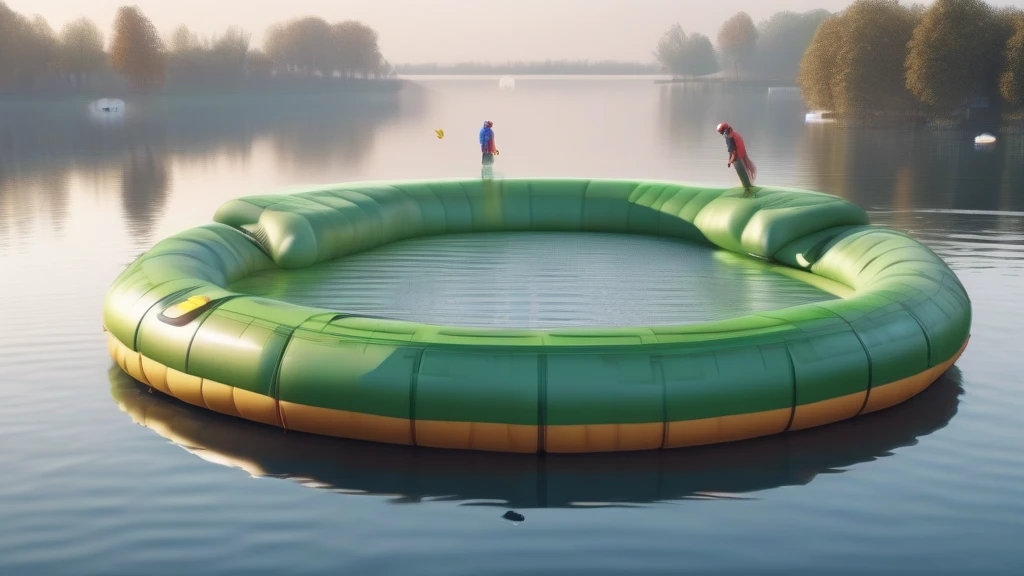
Water trampolines offer a unique blend of fun, fitness, and social interaction on the water. Whether you have a vibrant 10-foot inflatable designed for lakeside adventures or a smaller 8-foot model perfect for pool parties, proper care and maintenance are essential to maximize your trampoline’s lifespan and performance. This comprehensive guide will help you understand how to clean, maintain, store, and extend the life of your water trampoline, ensuring many seasons of safe and exciting aquatic fun.
Understanding Your Water Trampoline’s Materials and Features
Before diving into maintenance tips, it’s important to recognize what makes water trampolines special and what specific care they require:
- Waterproof Inflatable Components: Most water trampolines feature durable PVC or reinforced vinyl inflatable tubes and jumping mats. These materials are designed to withstand constant exposure to water, UV rays, and rough use.
- Reinforced Seams: High-quality models boast welded or double-stitched seams to prevent air leaks and maintain structural integrity.
- Vibrant Colors: Bright blues, reds, yellows, and oranges are not only visually appealing but enhance visibility and safety on the water.
- Large Jumping Surfaces: Sizes range from 8 to 12 feet in diameter, supporting 2 to 4 users simultaneously, which means the trampoline must be kept in optimal condition to handle dynamic loads.
- Secure Inflation Systems: Valves and inflation ports are designed for quick setup and reliable air retention.
With these characteristics in mind, let's explore how to care for your water trampoline effectively.
Routine Cleaning: Keeping Your Trampoline Fresh and Safe
Water trampolines are exposed to a variety of elements—sun, water, dirt, algae, and sometimes saltwater. Regular cleaning prevents material degradation and keeps the jumping surface safe and hygienic.
What You’ll Need:
- Mild soap or specialized inflatable cleaner
- Soft brush or sponge
- Hose with clean water
- Dry, lint-free cloth or towel
Step-by-Step Cleaning Process:
- Rinse Off Debris: After each use, rinse your trampoline thoroughly with fresh water to wash away dirt, sand, and salt residues, especially if used in a lake or ocean.
- Apply Mild Soap: Mix a gentle soap with water and apply it to the inflatable sections and jumping mat using a soft brush or sponge. Avoid harsh chemicals or abrasive cleaners that can damage the material.
- Scrub Gently: Focus on seams and air valves where dirt and algae tend to accumulate. Use a soft brush to avoid scratching or weakening the surface.
- Rinse Thoroughly: Remove all soap residue to prevent slipperiness and material buildup.
- Dry Completely: Use a dry towel to wipe down the trampoline and then allow it to air dry fully before storage. This prevents mold and mildew growth.
Tips:
- Clean your trampoline weekly during heavy use periods.
- For saltwater use, pay extra attention to rinsing to avoid corrosion and material breakdown.
- Avoid using high-pressure water jets as they may damage seams or valves.
Proper Inflation and Deflation: Maintaining Structural Integrity
Correct inflation is crucial for safety and durability. Over-inflation can strain seams and valves, while under-inflation reduces stability.
Inflation Tips:
- Use a pump designed for water inflatables with adjustable pressure control.
- Inflate the trampoline to the manufacturer’s recommended PSI or firmness level—usually firm but with a slight give when pressed.
- Check for air leaks regularly by listening for hissing sounds or using soapy water to detect bubbles around seams and valves.
- Ensure valves are securely closed after inflation to prevent air loss during use.
Deflation Tips:
- Fully deflate the trampoline before storage to prevent stress on materials.
- Open all valves and gently press out trapped air.
- Avoid folding the trampoline while it’s still inflated to reduce seam strain.
Storage Best Practices: Protecting Your Trampoline Off-Season
Storing your water trampoline properly during off-seasons or extended breaks can significantly extend its life.
Ideal Storage Conditions:
- Dry Environment: Moisture promotes mold, mildew, and material degradation.
- Shade: Prolonged UV exposure weakens fabrics and colors.
- Clean Surface: Use a tarp or protective cover to shield against dirt and pests.
Storage Steps:
- Clean and Dry: Ensure the trampoline is spotless and completely dry before packing away.
- Fold Carefully: Fold the trampoline along existing creases or seams to avoid creating new stress points.
- Use a Storage Bag: Many models come with carrying/storage bags; if not, store in a large, breathable fabric bag rather than plastic to allow air circulation.
- Avoid Heavy Loads: Don’t place heavy objects on top of the stored trampoline, as this can cause permanent deformation.
Inspecting for Wear and Tear: Early Detection Prevents Damage
Regular inspections help you catch issues early before they become costly repairs or safety hazards.
What to Check:
- Seams and Stitching: Look for cracks, splits, or loose threads around inflated tubes and jumping mats.
- Inflation Valves: Ensure valves seal properly and aren’t cracked or clogged.
- Material Surface: Watch for thinning spots, discoloration, or punctures.
- Attachment Points: Check any handles, anchor points, or tie-downs for wear.
Repair Tips:
- Small punctures can often be fixed with patch kits designed for PVC or vinyl inflatables.
- Use patches recommended by the trampoline manufacturer to maintain warranty and durability.
- Replace worn or damaged valves promptly to maintain air retention.
Seasonal Care: Preparing Your Trampoline for Summer and Winter
Summer Use:
- Set up your trampoline in shaded areas when possible to reduce UV stress.
- Monitor water cleanliness around the trampoline to avoid algae buildup.
- Encourage users to rinse their feet before jumping to minimize dirt.
Winter Storage:
- Remove the trampoline from water before freezing temperatures to prevent cracking.
- Store indoors or in a protected garage space.
- Avoid leaving the trampoline inflated or wet during cold months.
Additional Tips to Prolong Your Water Trampoline’s Life
- Limit Rough Use: While designed for energetic jumping, avoid sharp objects, excessive jumping by more users than recommended, or extreme acrobatics that exceed the trampoline’s capacity.
- Anchor Securely: Use appropriate anchors or tethers to prevent drifting or damage from wind.
- Rotate Placement: If used in a pool, consider rotating the trampoline’s orientation periodically to reduce uneven UV and water wear.
- Educate Users: Teach children and guests proper use and safety guidelines to prevent accidental damage.
Conclusion
Water trampolines combine vibrant colors, durable waterproof materials, and fun social play to create memorable aquatic experiences. By following these practical maintenance tips—regular cleaning, proper inflation, careful storage, and routine inspections—you’ll protect your investment and ensure the trampoline remains safe and enjoyable for years to come. Whether you’re bouncing with family on a sunny lake afternoon or hosting a lively pool party, a well-maintained water trampoline will keep the fun afloat season after season.