
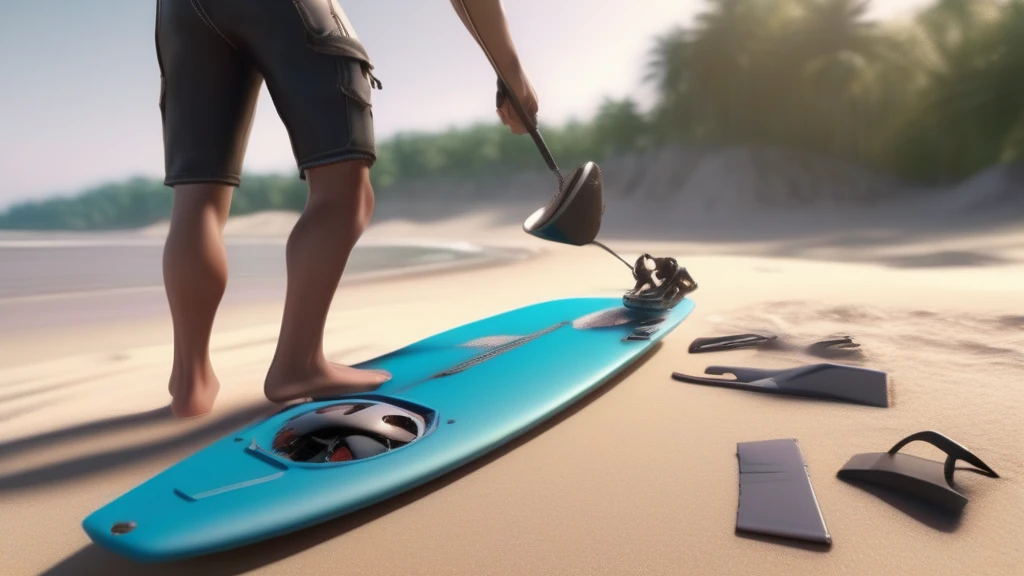
Wakeboarding is an exhilarating water sport that combines speed, skill, and style, made possible by the specialized design of wakeboards. Whether you’re a beginner seeking stability or a pro chasing high-performance maneuvers, caring properly for your wakeboard is essential to maintain its durability, safety, and ride quality. This comprehensive guide walks you through practical maintenance, cleaning, storage, and longevity tips tailored specifically for wakeboards, helping you protect your investment and enjoy every ride to the fullest.
Understanding Your Wakeboard’s Construction and Features
Before diving into care routines, it’s useful to understand what makes up your wakeboard and how its key features influence maintenance needs.
-
Materials: Wakeboards are typically constructed with a combination of fiberglass, carbon fiber, composite blends, and wood cores. Fiberglass boards offer a balance of durability and flexibility, carbon fiber models prioritize lightweight strength and responsiveness, while wood cores provide natural flex and eco-friendliness. Some boards incorporate recyclable or biodegradable components, reflecting a growing trend toward sustainability.
-
Rocker Profiles: The curvature of the board’s base — continuous, 3-stage, hybrid, or high rocker — affects performance and wear patterns. For example, continuous rockers provide smooth, fast rides but can be more susceptible to scratches, while 3-stage rockers offer pop and stability but may show stress at rocker transitions.
-
Fins and Bindings: Adjustable fin setups range from finless cable park designs to quad-fin systems for enhanced control. Bindings often feature ergonomic designs with quick-release mechanisms and reinforced padding for comfort and safety.
-
Protective Features: Reinforced edges and protective rails help prevent damage from impacts, while marine safety certifications (ISO, CE, TÜV) ensure quality and reliability.
Knowing these characteristics helps tailor maintenance to preserve your specific board’s performance and integrity.
Daily Cleaning and Post-Ride Care
Rinse Off Salt, Sand, and Dirt
Saltwater, sand, and debris are common wakeboarding adversaries. After each session:
-
Rinse your wakeboard with fresh water: Use a gentle spray to wash off salt, sand, and dirt, especially around the fins, bindings, and edges. Salt can corrode metal parts and degrade composite materials over time.
-
Avoid high-pressure washers: Excessive pressure can damage bindings or force water into sensitive areas.
Dry Thoroughly Before Storage
- Wipe down with a soft towel to remove excess moisture.
- Leave your board in a shaded, well-ventilated area to air dry completely before packing away.
This prevents mold, mildew, and material degradation, especially in bindings and foam padding.
Regular Maintenance Practices
Inspect for Damage and Wear
Periodically check your board for:
- Cracks or delamination along the fiberglass or carbon fiber layers.
- Dings or chips on the edges and rails.
- Loose or damaged fins and fin screws.
- Binding wear, including stretched straps, torn padding, or malfunctioning quick-release systems.
Early detection allows for prompt repairs, preventing minor issues from becoming costly problems.
Tighten and Replace Hardware
- Use appropriate tools to tighten fin screws regularly to avoid losing fins during rides.
- Replace worn-out screws and bindings components promptly to maintain safety and performance.
Waxing the Base
Some riders apply a thin layer of wakeboard wax or silicone spray to the base to enhance glide and protect against scratches. Apply wax sparingly and select products designed for water sports to avoid buildup.
Storage Tips for Longevity
Store in a Cool, Dry Place
- Avoid prolonged exposure to direct sunlight, which can fade graphics and weaken materials.
- Keep your wakeboard away from extreme heat or cold that can warp the core or delaminate layers.
Use Protective Bags or Covers
- Many wakeboards come with carry bags featuring padding and ventilation. These protect against dings during transport and storage.
- For boards without bags, wrap them in a soft cloth or board sock to shield surfaces.
Positioning Your Wakeboard
- Store your board flat or upright on a rack, avoiding heavy objects on top.
- Avoid leaning the board on its edges for long periods, which can cause warping or edge damage.
Specialized Care for Different Wakeboard Types
Cable Park Wakeboards
- Often finless or with smaller fins and reinforced edges to withstand rail slides and impacts.
- Inspect rails closely for chips and reinforce protective coatings as needed.
- Clean off abrasive cable park residues such as algae or grime carefully without harsh chemicals.
Freestyle and Competition Boards
- Typically feature hybrid or high rocker profiles and adjustable fin setups.
- Due to higher stress from jumps and tricks, check rocker transitions and fin mounts frequently for signs of fatigue.
- Carbon fiber boards benefit from gentle handling; avoid dropping or slamming onto hard surfaces.
Extending the Life of Your Wakeboard: Practical Tips
- Rotate fins and bindings to distribute wear evenly.
- Avoid dragging the board across rough surfaces; carry or use a board trolley.
- If storing for the off-season, perform a thorough cleaning and inspection before packing.
- Consider professional servicing for significant repairs or refinishing.
- Follow the manufacturer’s warranty guidelines carefully to retain coverage.
Sustainability and Eco-Friendly Wakeboard Care
With many wakeboards now incorporating eco-conscious materials and manufacturing, responsible maintenance also means:
- Using biodegradable or non-toxic cleaning agents.
- Recycling or repurposing worn-out bindings and hardware.
- Supporting brands that offer repair services or parts replacement to reduce waste.
Conclusion
Proper care and maintenance of your wakeboard not only safeguard your equipment’s performance and appearance but also enhance safety and enjoyment on the water. By understanding your board’s unique materials and features, adopting daily cleaning routines, performing regular inspections, and storing it correctly, you can extend its lifespan significantly. Whether you ride at a cable park, cruise behind a boat, or compete at high levels, thoughtful maintenance ensures your wakeboard delivers the best experience every time you hit the water.